10 Core Christian Beliefs Every Christian Should Know
Could someone attend church for years and still struggle to explain the core beliefs of Christianity?
I’ve been a Christian for only four years as I write this post. It’s not a long journey, but it has definitely been the most transformative one I’ve experienced in my life.
One thing that made me take our Christian beliefs more seriously was speaking with other Christians. I’ve noticed that people sometimes judge your spiritual maturity based on how many years you’ve attended church. But time alone does not mean we understand our faith well.
I’ve had coffee meetings with brothers and sisters in Christ, and I usually remember what they say. Then I come home and study the main points of our theological conversations.
Sometimes, I realize that people share inaccurate statements even about the core doctrines of our faith.
For instance, someone once explained the Holy Trinity using an orange split into three parts. It sounds clever, but the Father, Son, and Holy Spirit are not three pieces that come together to form God. Each Person is fully God, while God remains one.
In this guide, we’ll explore ten core Christian beliefs that every Christian should understand. Together, they explain who God is, what happened to humanity, what Christ has done to save us, and where the Christian story is heading.
10 Core Christian Beliefs at a Glance
If you are short on time, here is a quick summary of the ten doctrines. Of course, I still suggest reading the rest so you can understand why Christians believe them.
| Core Christian belief | Quick explanation |
|---|---|
| 1. There is one God | One eternal God created everything that exists and rules over His creation. |
| 2. God is Trinity | The Father, Son, and Holy Spirit are three distinct Persons who are fully one God. |
| 3. God has revealed Himself | God makes Himself known through creation, history, Scripture, and most fully through Jesus Christ. |
| 4. Humans bear God’s image | Every human being possesses dignity and was created to know God, love Him, and care for His creation. |
| 5. Sin has broken creation | Human rebellion damaged our communion with God and brought suffering and death into human life. |
| 6. Jesus is fully God and fully man | The eternal Son became truly human without surrendering His divine nature. |
| 7. Jesus died and rose again | Christ died for our sins and rose bodily from the dead, conquering sin and death. |
| 8. Salvation is God’s gift | We cannot save ourselves. Salvation comes through God’s grace and the saving work of Jesus Christ. |
| 9. The Holy Spirit gives life | The Holy Spirit lives within believers, transforms them, and gives gifts for building up the Church. |
| 10. Christ has a Church and will return | Christ gathers His people into the Church and will return to raise the dead, judge humanity, and renew creation. |
What Makes These Essential Christian Doctrines?
Not every theological question carries the same weight. For example, eschatology is the study of the last things, including Christ’s return, the resurrection of the dead, final judgment, and eternal life. These are essential Christian beliefs.
However, Christians may disagree about the timeline of the end times. The book of Revelation contains apocalyptic and highly symbolic imagery, so it is not always easy to interpret.
Whether someone believes that the thousand years in Revelation 20 should be understood literally or symbolically does not normally place them outside historic Christianity.
What Makes These Essential Christian Doctrines?
Some theological questions are more important than others. Of course, they all matter. But having a different opinion about one of them does not necessarily change your full understanding of God or salvation.
Take eschatology, the study of the last things, for example. Christians believe that Jesus will return, the dead will be resurrected, and God will judge the world. Those are core beliefs.
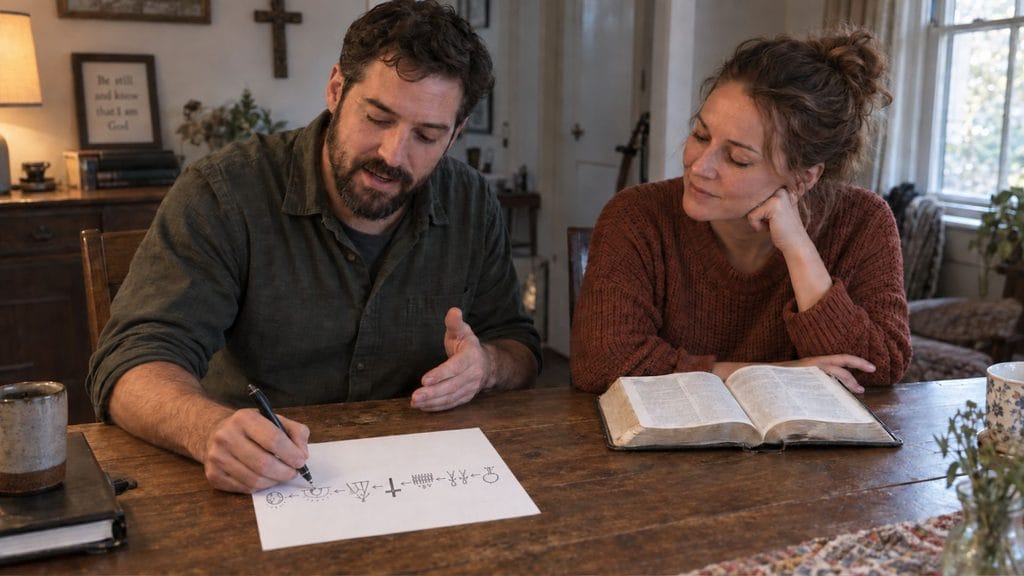
But people may disagree about the timeline. Is Christ’s thousand-year reign in Revelation 20 literal or symbolic? Does it happen before or after certain events? Revelation contains a lot of symbolic imagery, so it is not always easy to understand.
Your opinion about that timeline probably will not completely change how you understand God or the gospel.
Core Doctrines Are Different
Now, that is very different from someone teaching Oneness Pentecostalism, sometimes called “Jesus Only” theology. They reject the Trinity and teach that God is one divine Person who reveals Himself as Father, Son, and Holy Spirit.
In other words, they do not believe that the Father, Son, and Holy Spirit are three distinct Persons. Historic Christianity considers this a form of Modalism.
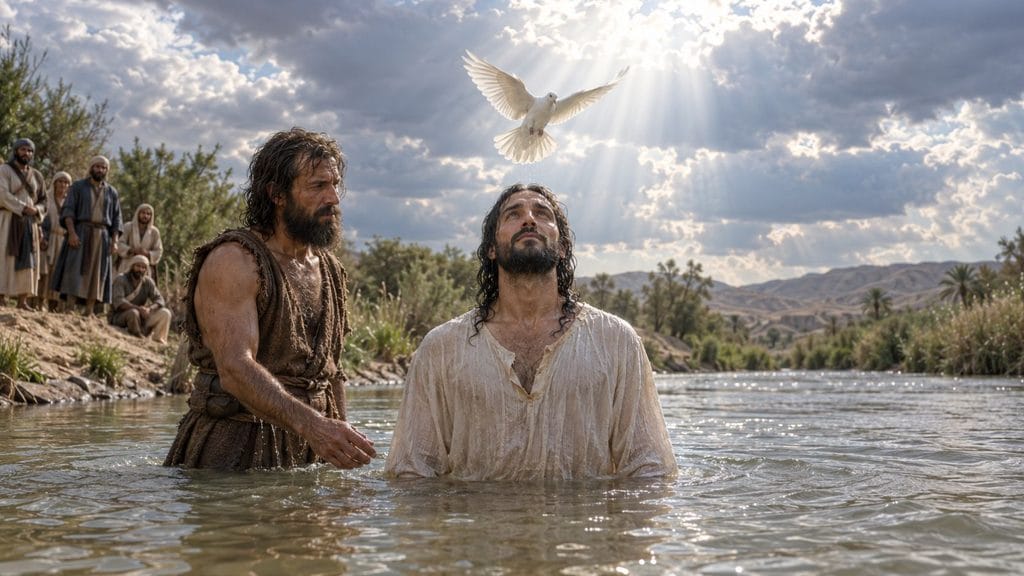
This is not a small disagreement. It changes how you understand God Himself. The Trinity is not God pushing a button in Heaven and switching from Father mode to Son mode.
God is one, but the Father, Son, and Holy Spirit are distinct Persons who are each fully God, not three little gods.
As you can see, a different view of a secondary doctrine does not necessarily change everything. But a different understanding of a core belief can completely change how you read God’s revelation and understand the Christian faith.
Now, the Bible does not give us a nice numbered list called “The Ten Essential Doctrines.” I chose these ten because together they explain the main story of our faith.
Core beliefs concern:
- who God is;
- who Jesus is;
- what Christ accomplished;
- how God saves humanity;
- the Resurrection and our final Christian hope.
These doctrines tell us who God is, what He has revealed throughout history, how He saves us, and where our hope rests.
1. There Is One God, Creator of Everything

“Listen, Israel: The Lord our God, the Lord is one.”
—Deuteronomy 6:4 (CSB)
“In the beginning God created the heavens and the earth.”
—Genesis 1:1 (CSB)
We Christians believe in one God who created the heavens, the earth, and everything in them. Our God is holy, good, just, loving, wise, and sovereign over everything.
He created the universe not out of need or lack, but freely, out of His wisdom, goodness, and love.
Now, you may wonder why He did this. Wow, maybe God wanted to play with some Lego.
No. God did not create because He was bored. He created freely to reveal His goodness and share His love with His creatures. He created us so we could know Him, love Him, and enjoy a relationship with Him.
It’s like when you have something so good that you simply want others to enjoy it too. Of course, God already had everything He needed. He did not create us because He was lonely or incomplete.
2. God Is Father, Son, and Holy Spirit
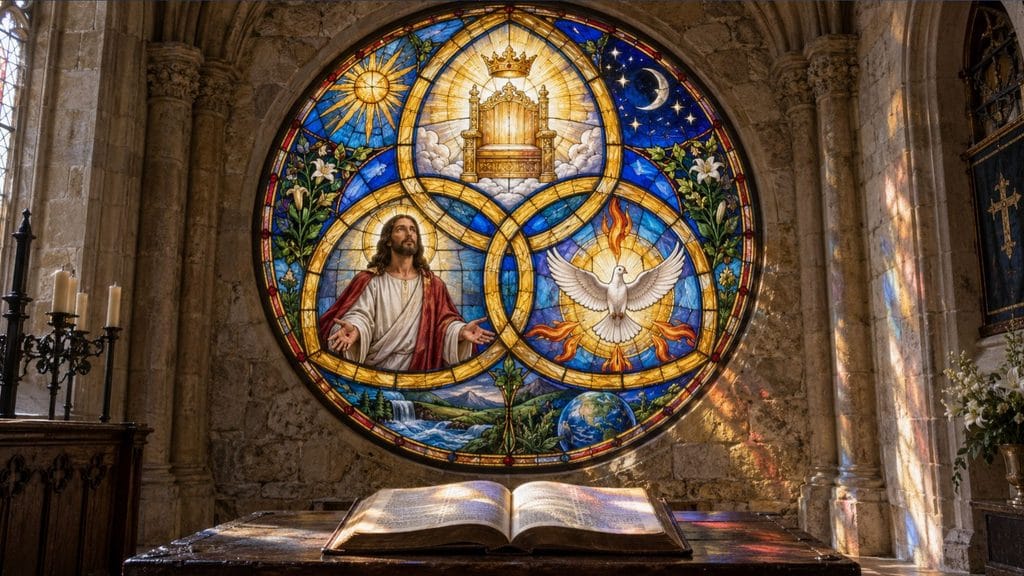
“Go, therefore, and make disciples of all nations, baptizing them in the name of the Father and of the Son and of the Holy Spirit.”
—Matthew 28:19 (CSB)
“The grace of the Lord Jesus Christ, and the love of God, and the fellowship of the Holy Spirit be with all of you.”
—2 Corinthians 13:13 (CSB)
Even though we would need more verses to fully explain this doctrine, by reading these two, we already get an idea of the Trinity.
God is not an orange split into three parts. I may like oranges, but that still does not change the fact that it is a bad analogy. The problem is that this example splits God into three pieces.
Instead, God is three Persons with one divine essence. This means that the Father, Son, and Holy Spirit are each fully God.
They are eternal, all-powerful, all-knowing, and sovereign over all creation. Yet they are not three gods, but one God Almighty.
Because the Father, Son, and Holy Spirit are one God, they do not act as three separate gods. Everything God does is the inseparable work of all three Persons.
So, it’s not like the Son alone gathered the waters and formed the earth and vegetation on the third day. Then, on the fourth day, He took a break while the Father created the stars, planets, sun, and everything else.
Instead, creation is one work of the Father, Son, and Holy Spirit (in a way we cannot fully comprehend).
Scripture shows the Father speaking the world into existence, all created things coming into existence through the Son, and the Spirit hovering over the waters and bringing life and order. They are not three separate creators. They are one Triune God.
3. God Has Made Himself Known
We may walk through the park, look at the trees, hear birds singing, and have an idea that something (or Someone) beyond our comprehension created all of this.
But God did not leave us empty-handed. We know what we know not merely because a bunch of guys gathered in a hot room, sweating for forty days while discussing some smart concepts, and then wrote their conclusions down.
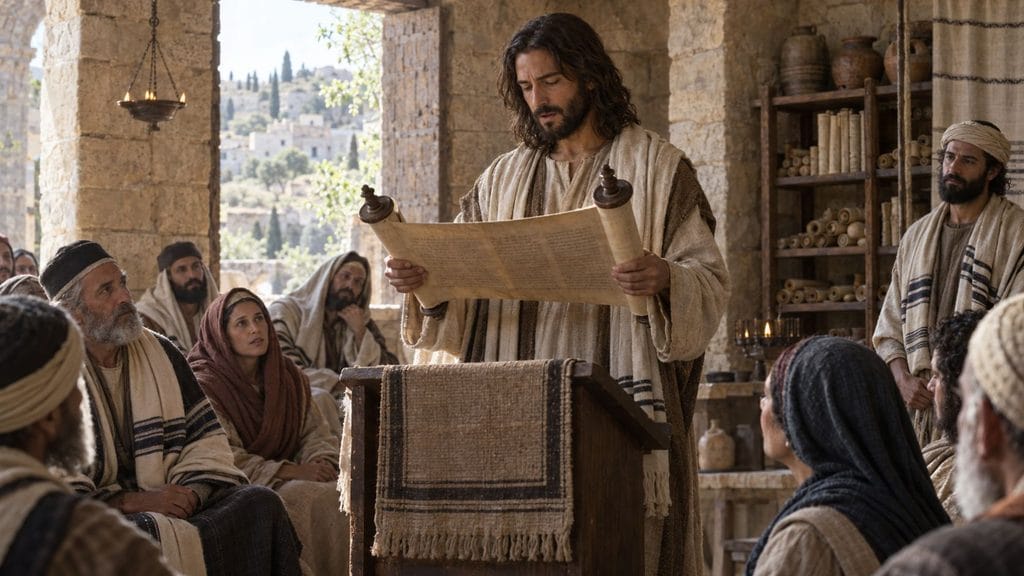
God has made Himself known. After humanity fell in the Garden of Eden, God began revealing and carrying out His plan to bring us salvation. He inspired prophets, rulers, apostles, and other human authors to write Sacred Scripture.
For instance, through Moses, God gave the Ten Commandments, which Christians still recognize as moral law today.
He also gave sacrificial, civil, and dietary laws to the people of Israel, helping shape them into a holy nation that understood justice and fairness. Some of these laws were specifically given to Israel under the Old Covenant and do not bind Christians in the same way today.
God also revealed to Moses His covenant name, YHWH, which is connected to the words “I AM WHO I AM.”
God did not reveal everything about Himself all at once. He revealed Himself gradually over time as He taught Israel to follow Him. Even though they often disobeyed and broke the covenant, God remained faithful.
Prophets like Micah, Isaiah, Jeremiah, and Daniel spoke about the coming Messiah in the Old Testament.
Jesus is the fullness of God’s revelation. He is fully God and fully human. When you look at Jesus, you see God living among humanity.
4. Human Beings Are Made in God’s Image
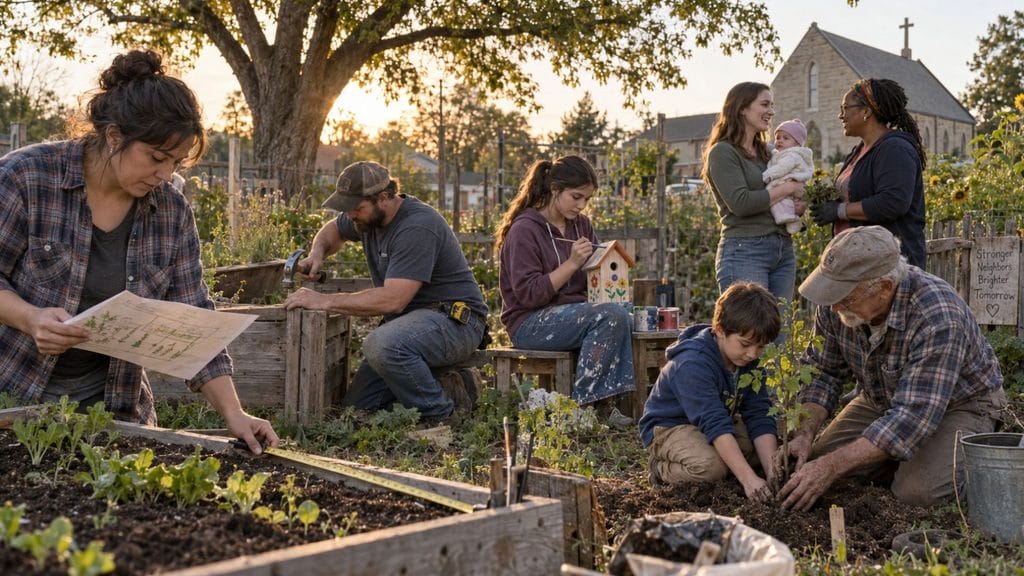
“Then God said, ‘Let us make man in our image, according to our likeness. They will rule the fish of the sea, the birds of the sky, the livestock, the whole earth, and the creatures that crawl on the earth.’”
—Genesis 1:26 (CSB)
God created humans in His image. That does not mean that we look physically like God or that we are mini gods walking around.
But we can see God’s image reflected in several human abilities. For instance:
- Rational mind: We can think logically, understand things, and reach conclusions.
- Creativity: We can create art, compose music, write stuff, and build things.
- Love: We can freely choose to love one another.
- Justice: We can recognize what is just and good, even though sin can distort our judgment and nowadays it sometimes seems many people have forgotten.
- Communion: We are social beings created for relationships with God and one another.
These are some ways we reflect God, but none of them decides how valuable someone is. Every human being bears God’s image and has dignity because of Him.
We were created in God’s image so that we could know Him, love Him, worship Him, and live in communion with Him. God also gave humanity the responsibility to rule over and care for His creation.
5. Sin Has Broken What God Created Good
“For all have sinned and fall short of the glory of God.”
—Romans 3:23 (CSB)
“For the wages of sin is death, but the gift of God is eternal life in Christ Jesus our Lord.”
—Romans 6:23 (CSB)
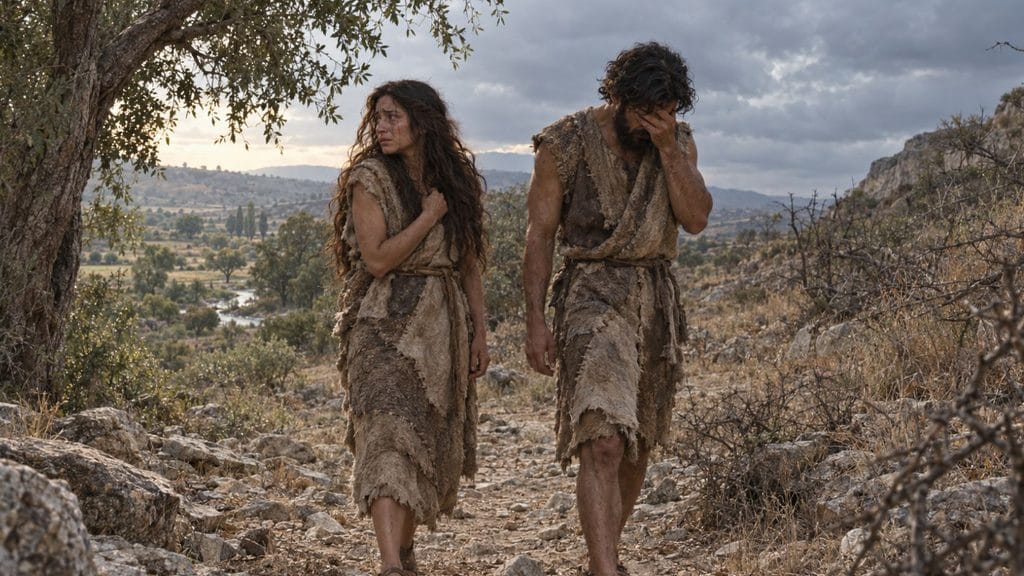
When Adam and Eve disobeyed God, it was not a small thing. Their disobedience was so serious that they were expelled from the Garden of Eden, and sin brought death into human life. God created humanity for eternal communion with Him, in a state of grace and peace.
So, sin is not a little problem that we can fix ourselves. In the Garden of Eden, after Adam and Eve ate the forbidden fruit, their eyes were opened.
They became ashamed of their nakedness and tried to fix the problem by covering themselves with fig leaves. They also felt guilty and tried to hide from God.
But their solution was not enough. God was the One who made garments of skin and clothed them. In other words, God had to step in and fix what they could not fix themselves.
The same is true for us. We cannot undo our sins and find our own way back to God. We need Jesus so we can be forgiven and reconciled with Him.
The problem with sin, as we can see from the story of the Garden, is that it separates us from God. It also hardens our hearts toward God and other people. The more we follow sin, the colder and more selfish our hearts can become.
6. Jesus Christ Is Fully God and Fully Man
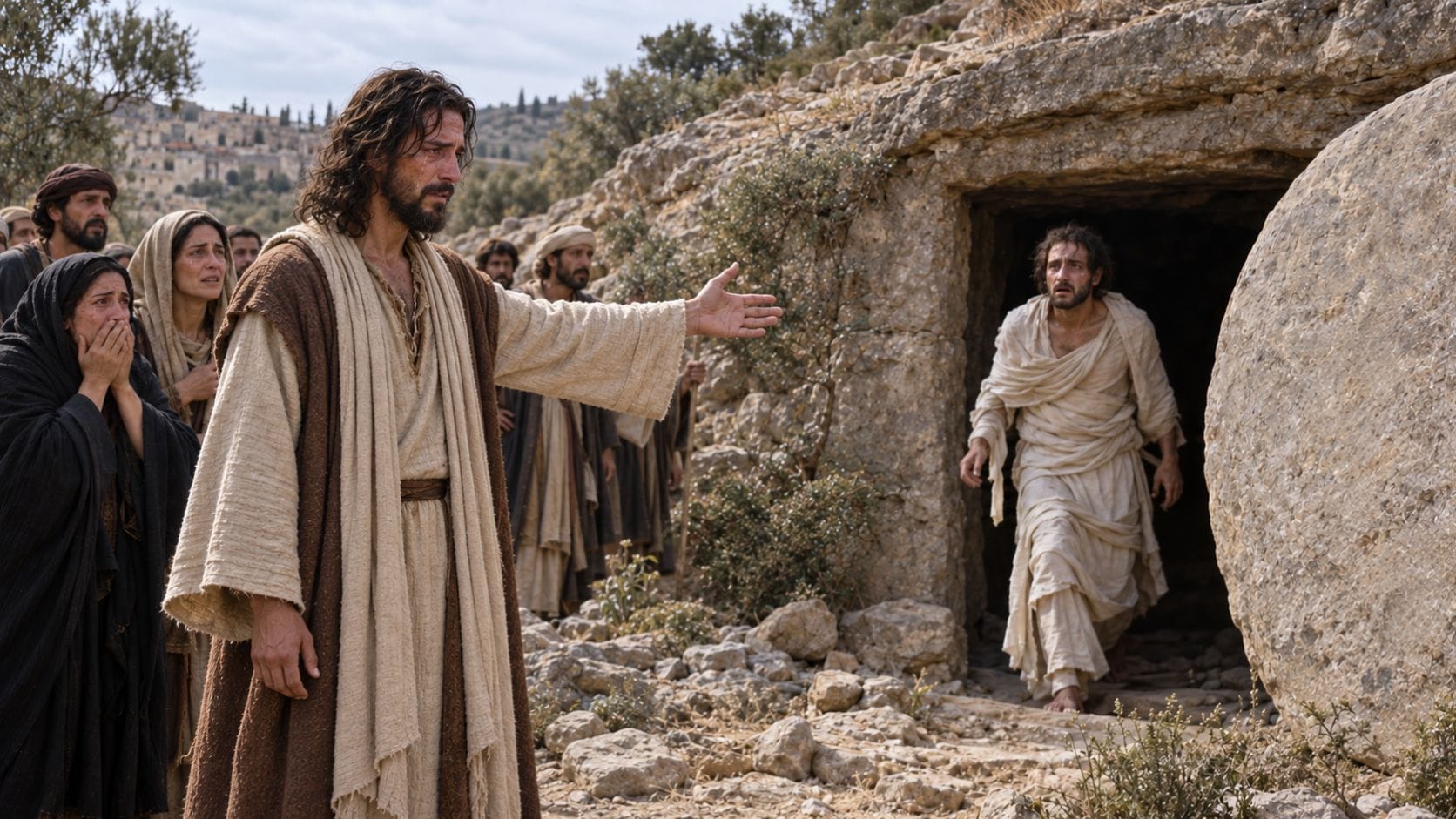
“For the entire fullness of God’s nature dwells bodily in Christ.”
—Colossians 2:9 (CSB)
“After this, when Jesus knew that everything was now finished that the Scripture might be fulfilled, he said, ‘I’m thirsty.’”
—John 19:28 (CSB)
“And Jesus increased in wisdom and stature, and in favor with God and with people.”
—Luke 2:52 (CSB)
Jesus is fully God and fully man but what exactly does that mean?
Well, He’s not 50% God and 50% human. Nor does He sometimes act as God and other times act as a human. No, instead, Jesus was born of the Virgin Mary and lived a fully human life. He grew in wisdom and stature like a normal child.
He became hungry and thirsty. He suffered, cried, became tired, and experienced the fullness of human life. But at the same time, He was still the eternal Son of God.
The eternal Son has always existed; His divine nature was never created. All things were created through Him. According to His divine nature, He is all-powerful and all-knowing. He is the second Person of our Triune God who became flesh.
As we mentioned before, our God is three Persons sharing one divine nature. When the Son became human, He did not stop being God or surrender His divinity. Instead, He took on a truly human nature while remaining fully God.
So, Jesus is one Person with two complete natures: divine and human.
Of course, we would need more verses to build a solid case for this doctrine. I suggest that you also check John 1:1, 14; Philippians 2:5–8; Hebrews 2:17; Mark 4:38; Mark 15:37; and John 11:35.
One of the main teachings of the New Testament is that Jesus is truly God and truly man. He was not God pretending to be human, nor was He merely a human being who later became God.
7. Jesus Died for Our Sins and Rose From the Dead
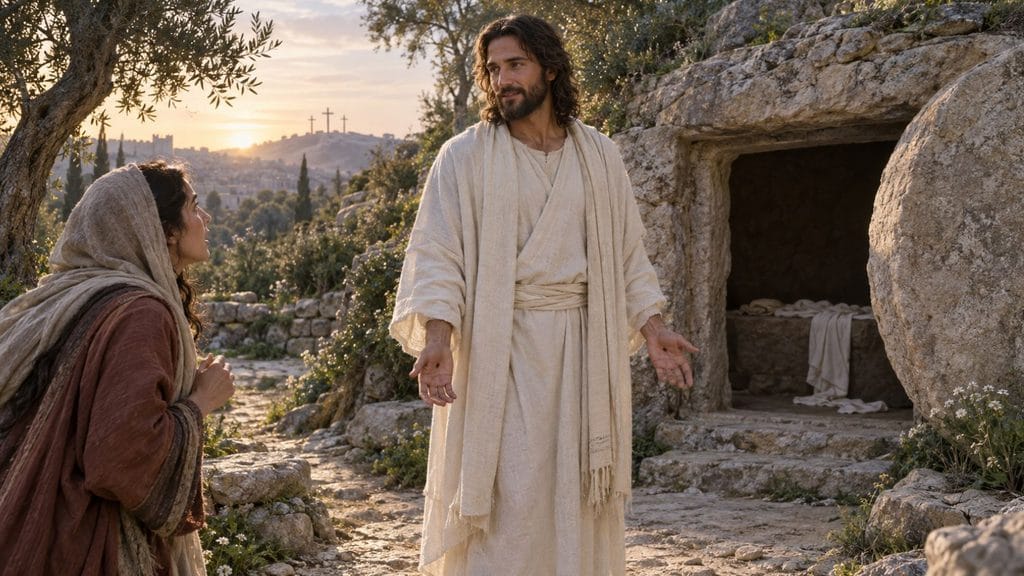
“He himself bore our sins in his body on the tree; so that, having died to sins, we might live for righteousness. By his wounds you have been healed.”
—1 Peter 2:24 (CSB)
“For I passed on to you as most important what I also received: that Christ died for our sins according to the Scriptures, that he was buried, that he was raised on the third day according to the Scriptures.” —1 Corinthians 15:3–4 (CSB)
Jesus was tortured and sentenced to die under Pontius Pilate, the Roman governor of Judea. He died as the Lamb of God, bearing the sins of the world in His body on the cross.
He’s called the Lamb of God because He fulfills what happened during the Passover. Back then, the Jewish people sacrificed lambs to remember how God freed them from slavery in Egypt.
In the book of Exodus, we read that the Israelites sacrificed a lamb and placed its blood on the doorposts of their homes. The Lord passed through Egypt and struck the firstborn, but He passed over the houses marked by the lamb’s blood.
The lamb’s blood saved the Israelites from death. In a much greater way, Jesus shed His blood to free us from sin and death. He is the true Lamb of God who takes away the sins of the world.
On the third day, He rose again, conquering sin and death. But He did not simply return to a normal human life. No, Jesus rose with a glorified body; the same body that had been crucified, but now transformed and no longer subject to suffering or death.
Jesus is the way for us to be forgiven and reconciled with the Father. Because of His death and Resurrection, we can once again live in communion with God.
8. Salvation Is God’s Gift of Grace in Christ
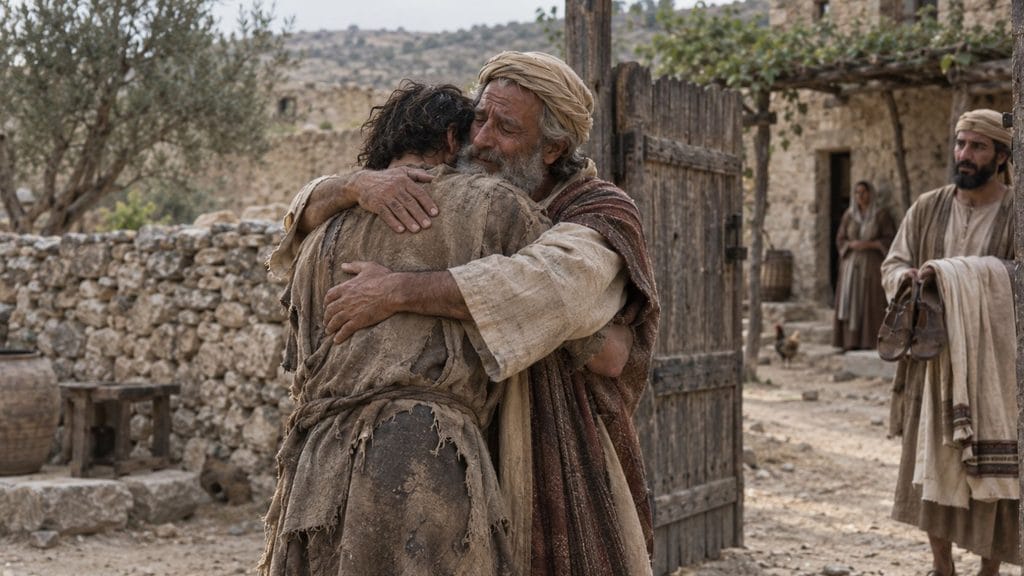
“For you are saved by grace through faith, and this is not from yourselves; it is God’s gift—not from works, so that no one can boast.”
—Ephesians 2:8–9 (CSB)
The Mosaic Law given by God to Moses served several purposes. For one, it helped form the people of Israel into a nation with laws about justice, morality, worship, and other parts of their daily lives. God also called Israel to become an example to the nations around them.
But the Law also shows us that no matter how much we try, we cannot obey it perfectly. Sooner or later, we stumble and fail. It helps us see that we cannot save ourselves by our own works.
Instead, we need God’s grace to save us. Grace is a free gift from God, something He gives us even though we do not deserve it.
In this case, God gives us the gift of salvation through Jesus’ saving work.
We receive this gift through faith in Jesus Christ, who is the way. But that does not mean we simply tell the people around us, “Look, I believe in Jesus,” and everything is settled.
Even demons believe that God exists, and they shudder. So, real faith means more than simply recognizing that God is real.
It means trusting Christ, surrendering our lives to God, and allowing His grace to transform our desires and the way we live.
That transformation produces good fruit in us, such as compassion, love, hope, and obedience. We do not do these things to earn God’s grace. Instead, they grow from the grace He has already given us.
9. The Holy Spirit Gives Life and Forms God’s People
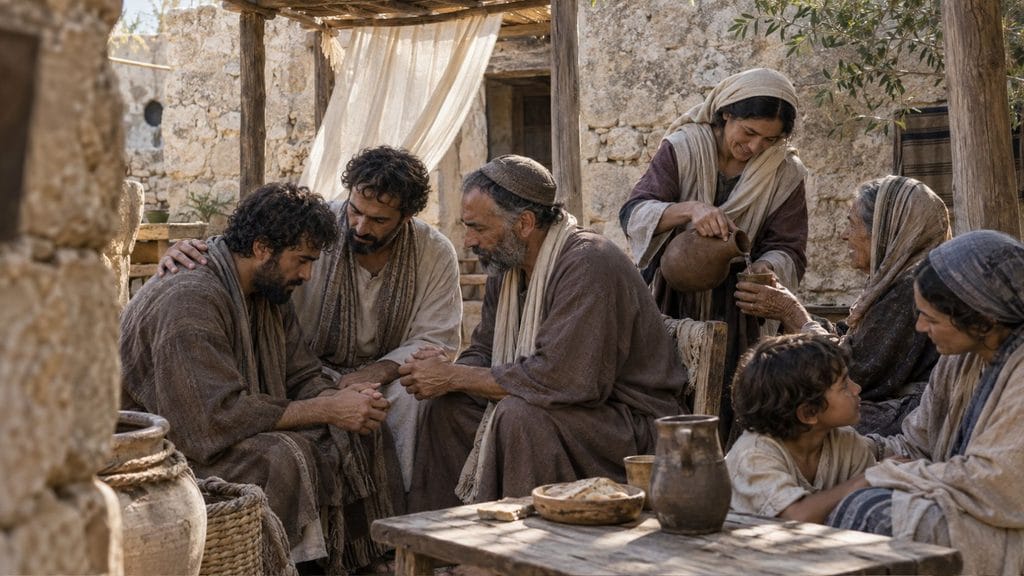
“But the fruit of the Spirit is love, joy, peace, patience, kindness, goodness, faithfulness, gentleness, self-control.
Against such things there is no law. Now those who belong to Christ Jesus have crucified the flesh with its passions and desires. If we live by the Spirit, let us also keep in step with the Spirit.”
—Galatians 5:22–25 (CSB)
The Holy Spirit dwells in those who belong to Christ. He is fully God and the third Person of our Triune God.
This means the Spirit is all-knowing and all-powerful. He worked together with the Father and the Son in creating all existence, and He continues to give life to creation.
Usually, we do not pay as much attention to the Holy Spirit as we do to the Father and the Son. But the Holy Spirit has a very important role in our Christian lives.
He guides believers closer to God and helps them become more holy. He also transforms our desires and hearts.
As we surrender ourselves to God, His grace works within us, producing the fruit of the Spirit: love, joy, peace, patience, kindness, goodness, faithfulness, gentleness, and self-control.
In other words, the Spirit transforms us so that we become more like Jesus Christ.
“A manifestation of the Spirit is given to each person for the common good.”
“One and the same Spirit is active in all these, distributing to each person as he wills.”
—1 Corinthians 12:7, 11 (CSB)
Another thing is that the Spirit gives believers spiritual gifts, such as wisdom, knowledge, faith, healing, miracles, prophecy, discernment of spirits, tongues, and the interpretation of tongues.
Each person receives different gifts according to God’s purpose. Anyway, these gifts are not given so that someone can look more spiritual than everyone else. They are meant to strengthen the Body of Christ or, you could say, the Church and all its members.
That does not mean God cannot work through these gifts to help a nonbeliever.
In the New Testament, God sometimes used signs and miracles to draw people toward Him and confirm the message of the Gospel. But Christians do not perform miracles through their own power. God is the One doing the work.
10. Christ Has a Church and Will Make All Things New
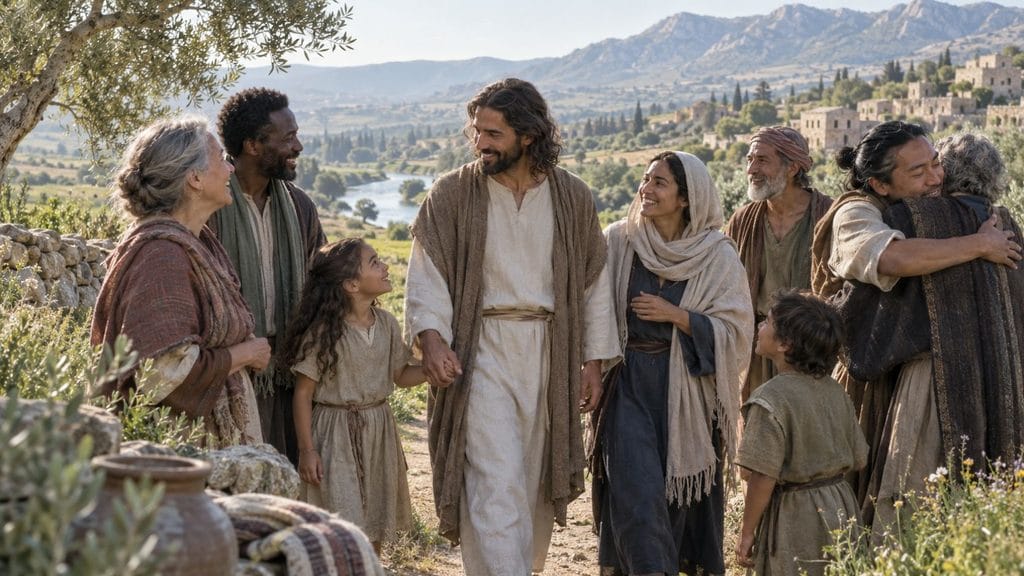
“And I also say to you that you are Peter, and on this rock I will build my church, and the gates of Hades will not overpower it.”
—Matthew 16:18 (CSB)
Jesus did not leave us empty-handed. He founded a visible Church upon the apostles and gave Peter a particular role among them.
Through the Church, Christians come together to worship God, learn their faith, receive Baptism and Communion, and help one another. Of course, different Christian traditions disagree about church leadership and the sacraments. But Christianity was never meant to be lived alone.
The Church also waits together for our greatest hope: the return of Jesus Christ.
“Then I saw a new heaven and a new earth; for the first heaven and the first earth had passed away, and the sea was no more. … Then I heard a loud voice from the throne: Look, God’s dwelling is with humanity, and he will live with them. … He will wipe away every tear from their eyes.
Death will be no more; grief, crying, and pain will be no more, because the previous things have passed away. Then the one seated on the throne said, ‘Look, I am making everything new.’”
—Revelation 21:1, 3–5 (CSB)
Our story does not end with the Church in this present world. Jesus will come again, raise the dead, and judge the living and the dead.
God will renew creation. This means death will no longer exist. Grief, crying, suffering, and pain will pass away. The saints will live in perfect communion with God and one another.
So, our faith is bigger than simply dying and going to Heaven. We were not created to live forever separated from our bodies.
When those who die in Christ leave this world, their souls continue to live with Him as they await the resurrection. But that is not our final state.
In the new creation, those who belong to Christ will be raised with glorified bodies, similar to the body Jesus had when He rose from the dead.
It will be the same real body, but transformed and no longer subject to sickness, suffering, decay, or death.
How Core Christian Doctrine Fits Together
When we look at these core Christian doctrines together, we can quickly understand God’s plan to save humanity and answer some common questions people ask.
For example:
Why do we need salvation? Who is Jesus? And why did He need to die and rise again?
Creation
God created everything that exists. In the beginning, He created Adam and Eve. The Garden of Eden can be understood as the first sanctuary—a place set apart where humanity lived in communion with God, worshipped Him, and cared for His creation.
God also created us in His image. That does not mean we are little gods walking around. Instead, every human being has dignity and was created to know God, love Him, and live in communion with Him and others.
Sin
Adam and Eve disobeyed God by eating the forbidden fruit. Their sin got them expelled from the Garden and brought sin and death into human life.
We can see the results of sin everywhere. We only need to look around and see how chaotic the world is. There are constant wars, sickness, death, hatred, and many other consequences of living in a broken world.
Christ and Salvation
Out of His love for us, God sent His Son, Jesus Christ, to bring salvation. Jesus is the eternal Son of God, fully God and fully man. But He also lived a real human life. He became hungry and tired, had to grow and learn, suffered, and ultimately died.
Jesus died on the cross carrying the burden of our sins. On the third day, He rose again, conquering sin and death.
Jesus is the way to our salvation. Through God’s grace, those who turn to Christ in faith can be forgiven of their sins and reconciled with the Father. His grace also calls us to repentance and a transformed life.
We cannot save ourselves through our own willpower or by being nicer to our next-door neighbor. Our good works do not earn God’s grace. Instead, they grow from the grace He has already given us.
The Holy Spirit and the Church
Those who belong to Christ receive the Holy Spirit, who gives us new life and transforms us from within. He changes our desires and hearts, helps us grow in holiness, and produces good fruit in our lives.
The Spirit also gathers believers into Christ’s Church. Jesus did not save us so that we could follow Him alone. Through the Church, Christians worship God, learn their faith, receive Baptism and Communion, help one another, and share the Gospel.
The New Creation
But the story is not over. The Church is waiting for Jesus to return, raise the dead, judge the living and the dead, and make all things new.
Those who belong to Christ will be raised with glorified bodies and live forever in perfect communion with God and one another in a renewed creation.
So, what did I do here?
Creation → human purpose → sin → Christ → cross and Resurrection → salvation → Holy Spirit → Church → new creation
You can see that I combined several doctrines to explain the basic Christian story.
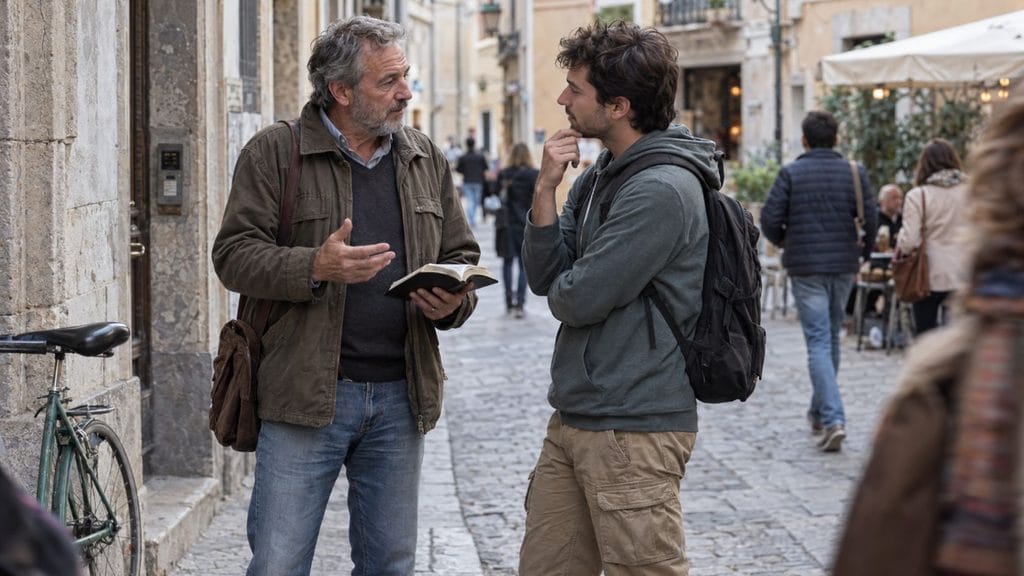
Of course, if we are speaking with someone about our faith, they may ask more questions in between. They might not immediately understand everything, and that is okay.
But once we understand how these doctrines fit together, we become better equipped to explain our faith and share the Gospel with other people.
Knowing the Right Words Is Not the End Goal
Recently, I was watching a video from a Christian YouTube creator who was commenting on Russell Brand, the famous comedian and actor.
This person claimed that Russell was not a Christian because he took several seconds to find a particular Bible passage during an interview.
Honestly, I do not know what is in Russell’s heart, nor is it up to me to decide. Only God knows the sincerity of his faith. That does not mean we should ignore sin or refuse to judge whether someone’s actions or teachings are wrong.
The Goal Is Transformation, Not Pride
But judging an action is different from claiming that we know someone’s heart.
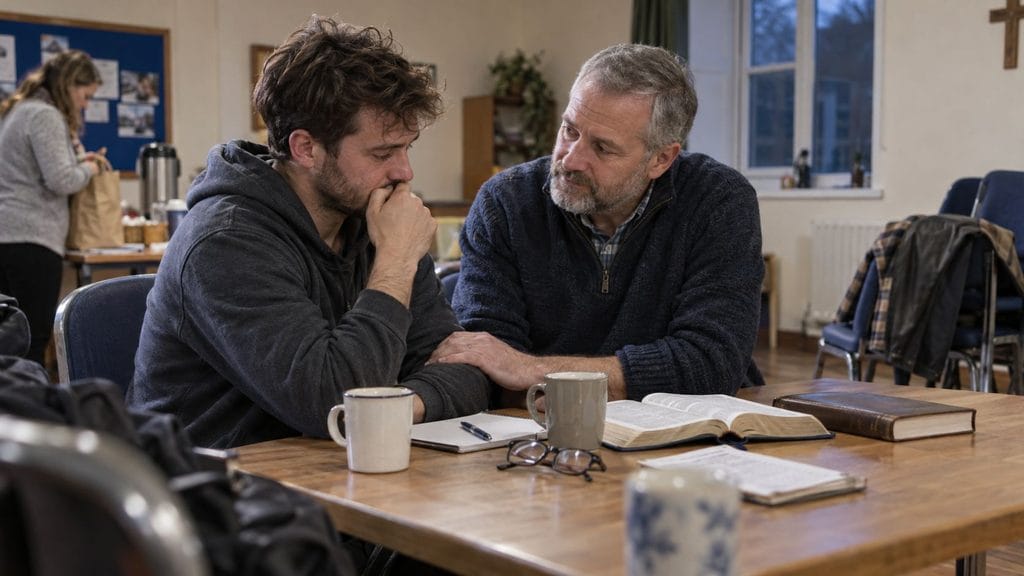
Over the years, I have seen people who look like robots firing Bible verses at others, commonly to put them down.
Just to say, memorizing Bible verses and knowing all the right theological words do not automatically make someone a mature Christian. Genuine faith should also produce good fruit in someone’s life.
Being a living sacrifice does not earn us God’s grace or make us Christians.
Instead, offering our lives as a holy and pleasing sacrifice to God should be our response to the mercy He has already given us.
We may not know everything inside someone’s heart, but we can pay attention to the fruit their life produces.
So, we should not study theology to become prideful and beat our chests in front of everyone like a 500-pound gorilla.
Instead, we study theology because:
- We want to know God more and come closer to Him.
- We want to genuinely help others understand our amazing God.
- We do not want to fall for false teachings or the deceitful tricks of the enemy.
Doctrine is meant to shape how we worship God with more reverence, pray with more conviction, repent more quickly, and hope for Christ’s return.
It should also help us love God and those around us more deeply and obey Him because we trust that He knows what is best for our lives.
Last Thoughts
If someone asked you what Christians believe, would you know how to reply without simply saying, “Well, we believe in Jesus”? Which of these doctrines would be the hardest for you to explain?
And is there one that you have believed for years but never seriously studied?
You do not need to become a professional theologian or memorize the entire Bible. But we should want to understand the faith we claim to follow.
What doctrine would you like to study more deeply? Share your answer or any questions you still have in the comment section below.