
What Is the Gift of Discernment? Discerning Spirits
Is feeling that something is “off” the gift of discernment?
I consider discernment one of the most important gifts. Of course, everything from God is important. But considering the state of the world today, we need to be cautious.
As the Bible says:
“And no wonder! For Satan disguises himself as an angel of light.”
—2 Corinthians 11:14 (CSB)
Before becoming a Christian, one of those “angels of light” in my life was New Age spirituality. I was never deeply involved in its rituals, but I meditated daily and enjoyed watching videos about aliens on a platform called Gaia.
If you do not know it, Gaia has thousands of videos related to the New Age. They teach people how to astral project—an intentional out-of-body experience—and make claims about aliens living on Venus, Mars, and other crazy things.
When I first started coming closer to Christ, God began opening my eyes. Watching certain videos there started to feel wrong. Eventually, I canceled my yearly subscription and haven’t watched similar content since.
God opens our eyes. What we once did not see, we begin to see.
But was that the specific spiritual gift Paul describes, the Holy Spirit convicting me, or simply Christian discernment beginning to grow?
In this guide, we’ll examine what Scripture means by the gift of discernment and how it differs from ordinary Christian discernment. We’ll also learn how to test spiritual claims without becoming suspicious of everything around us.
Key Takeaways
- Every Christian needs discernment, but distinguishing between spirits is a particular spiritual gift that God gives to some believers.
- Not every spiritual message or manifestation comes from God. It may come from the Holy Spirit, a human source, or a deceptive spirit.
- Spiritual claims should be tested through Scripture, their fruit, prayer, and guidance from mature Christians.
- The gift of discernment is meant to serve and protect the Church. It should produce humility and clarity, not spiritual pride or suspicion toward everyone.
Paul Actually Calls It “Distinguishing Between Spirits”
“A manifestation of the Spirit is given to each person for the common good.”
“To another, the performing of miracles, to another, prophecy, to another, distinguishing between spirits, to another, different kinds of tongues, to another, interpretation of tongues.
One and the same Spirit is active in all these, distributing to each person as he wills.”
—1 Corinthians 12:7, 10–11 (CSB)
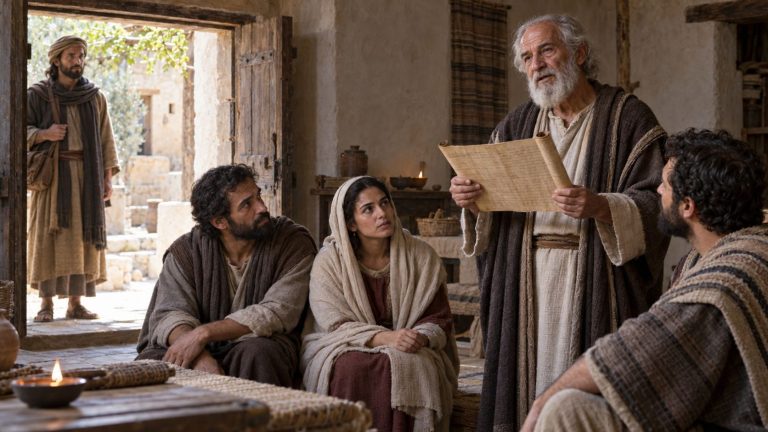
Paul wrote this letter to the church in Corinth. He describes different spiritual gifts distributed by the Holy Spirit to the body of Christ for the common good. One of them is “distinguishing between spirits.”
This gift helps believers distinguish whether a supposedly spiritual message or manifestation comes from the Holy Spirit, a human source, or a deceptive spirit.
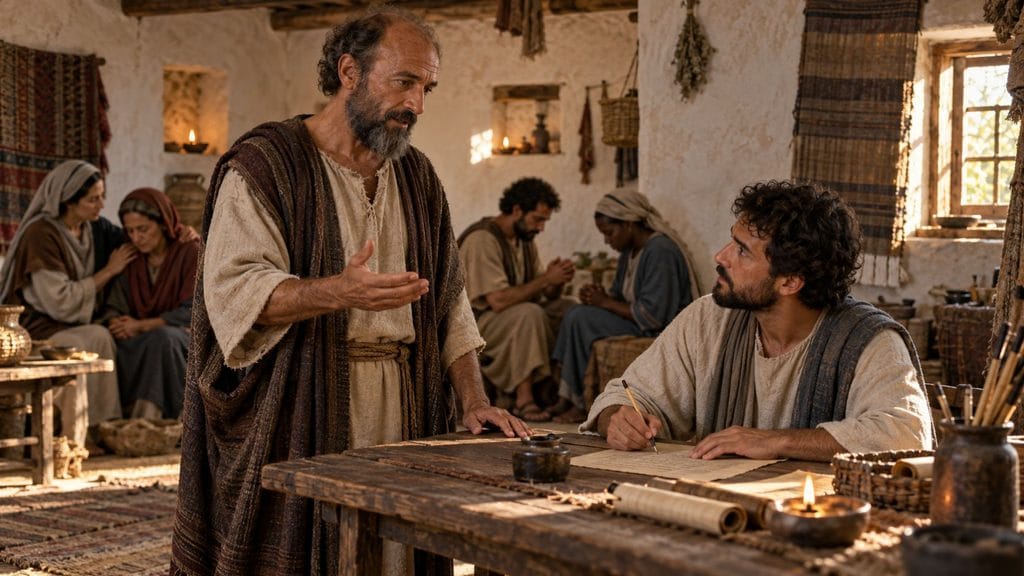
As we eventually realize in our Christian walk, not everything presented as spiritual actually comes from God.
The Greek words used for this gift are diakriseis pneumatōn. Paul is not describing an intellectual trait that smarter believers possess while everyone else, well, needs to play more chess and get smarter.
Instead, Paul presents it as a spiritual gift alongside healing, miracles, and prophecy.
But solid food is for the mature—for those whose senses have been trained to distinguish between good and evil.
—Hebrews 5:14 (CSB)
Every Christian should develop some basic discernment through reading Scripture, gaining wisdom, praying, and growing closer to God.
But God gives this particular gift to some believers. It can seem almost natural to them because they have an easier time distinguishing whether something spiritual genuinely comes from God.
Still, the gift is not given to make someone feel more important or spiritually superior. Like the other gifts, it is given to serve and protect the Church.
What Was the Gift Supposed to Distinguish?
“Two or three prophets should speak, and the others should evaluate.”
—1 Corinthians 14:29 (CSB)
God gives spiritual gifts so that the members of the body of Christ can strengthen one another and come closer to Him. The gift of distinguishing between spirits helps the Church evaluate what supposedly comes from God.

We see many prophetic claims today, particularly in some Pentecostal churches. I do not mean to insult anyone, but sometimes it seems as if everyone is suddenly a prophet.
When someone claims to have received a prophecy, we should not automatically believe it simply because they say, “God told me.” As this verse shows, others should evaluate what was said.
A person with the gift of distinguishing between spirits may have an important role in recognizing whether that message comes from the Holy Spirit, a human source, or a deceptive spirit.
Scripture Tells Christians to Test Spiritual Claims
“Dear friends, do not believe every spirit, but test the spirits to see if they are from God, because many false prophets have gone out into the world.”
—1 John 4:1 (CSB)
False prophecy does not always come directly from an evil spirit. Sometimes, people may confuse their imagination, desires, or emotions with God’s voice. Others may deliberately deceive people.
I have met people who claimed to be prophets, but one thing caught my attention: their prophecies rarely or never came to pass.

Until now, I cannot say that I have personally met someone who clearly has the genuine gift of prophecy. That does not mean the gift does not exist, nor should we become suspicious of everyone.
But if someone repeatedly claims to speak for God, their prophecies fail or contradict God’s revelation, and they refuse to be tested, then we have good reasons to question whether those messages truly come from Him.
“Don’t stifle the Spirit. Don’t despise prophecies, but test all things. Hold on to what is good. Stay away from every kind of evil.”
—1 Thessalonians 5:19–22 (CSB)
I know many people who, perhaps because of trauma or sometimes even pride, think spiritual maturity means rejecting everything. I’ve heard people tell me, “I do not need experiences to believe in God.”
Well, it is true that we should not seek experiences as the foundation of our faith. However, we should not assume that God never works through spiritual gifts or unusual experiences.
The problem is that this thinking may cause us to dismiss something that genuinely comes from God, including prophecy.
Spiritual maturity does not mean closing the door to everything. It requires wisdom and discernment to separate what belongs to God from what does not.
These verses tell us not to suppress the Spirit but to test everything, including prophecy.
The Gift Is Not a License to Read People’s Hearts
We humans seem to have a tendency to go to both extremes. Either we spiritualize every experience, or we become overly suspicious.
For instance, you see the number 77 on a license plate and believe that God is giving you a sign that you should marry someone. Pretty crazy, but it happens.
Or we go to the other extreme and think we know everyone’s heart. Neither one nor the other is good. Here’s the thing:
Discernment Does Not Reveal Every Hidden Motive

Jesus Christ knew what was inside people’s hearts. We do not possess His divine knowledge. The Holy Spirit guides us, but we can still misunderstand our feelings and impressions.
Even someone who genuinely has the gift of discernment is not perfect or infallible. The gift does not give us unlimited access to another person’s hidden thoughts and motives.
Feeling That Something Is “Off” Is Worth Investigating
We should pay attention to that deep feeling of, “Something is not right with this person. I’m not sure what it is, but it feels off.”
Yes, there may or may not be something there. But that feeling is not enough to give us full certainty or permission to point the finger at that person.
The feeling could come from genuine concern, but it could also come from anxiety, past experiences, personal bias, or a misunderstanding. We should take our time and look at the fruit that person bears over time.
Test What Was Actually Said or Done
We should look for consistency between what someone says and does. I’m not a fan of the idea, “Do as I say, but not as I do.”
Of course, everyone makes mistakes. One failure does not automatically prove that someone has bad character.

But when someone repeatedly says one thing and lives in a completely different way, we have a good reason to pay attention.
I also tend to look more at someone’s actions. People can be charismatic and great to listen to, but do they walk the walk? For me, that’s more important.
Compare It With Scripture
Everything should be tested against God’s Word and established Christian teaching. If something contradicts what God has already revealed, then we should question it.
Seek Guidance
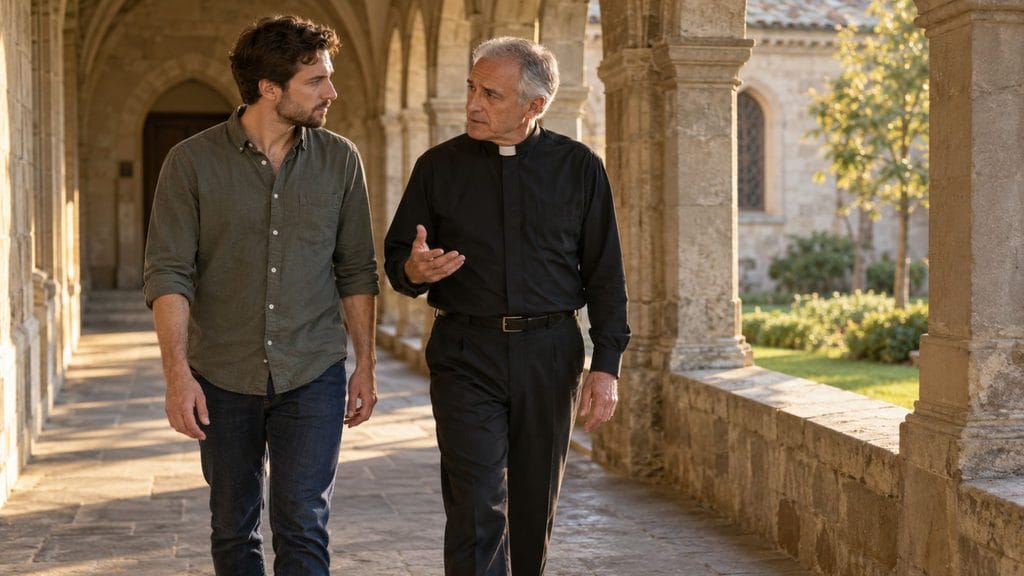
If you are uncertain about someone or a spiritual experience, seek guidance from a pastor, priest, or mature Christian.
Still, we should be cautious because not everyone is experienced or wise enough to provide good advice. Try to speak with someone trustworthy who understands the situation and is willing to disagree with you.
But also be prepared to receive wise advice and admit when you are wrong.
What If I Think I Have the Gift of Discernment?
Over the past few years, I have had several people tell me that I have the gift of discernment. With time, I’ve started to think they may be right, although I continue to test it.
Anyway, here are a few things I’ve noticed:
- Examine the pattern over time: Do you regularly notice when something presented as spiritual may not come from God? Do those concerns later prove accurate? One impression is not enough. Look for a consistent pattern over time.
- Seek confirmation from mature Christians: Some Catholic charismatic communities help believers explore and discern their spiritual gifts. My former Baptist church did not offer much guidance in this area. Depending on your church, you can ask mature Christians, a pastor, or a priest whether they have noticed this gift working through you.
- Remain humble and serve: God does not give us gifts because we are special snowflakes. He gives them so we can serve Him and the body of Christ.
- Does it help the Church? Do you help other people discern their spiritual experiences and come closer to God? Or does your supposed discernment only make you more suspicious of everyone around you?
The fruit produced over time can help you recognize whether you may have this gift. Still, that fruit should be considered alongside prayer, Scripture, Church guidance, and confirmation from mature Christians.
For instance, when I do street ministry, I can often sense whether someone may be open to prayer. Of course, sometimes I get it wrong. But out of ten people I approach, around eight or nine usually accept.
It feels as if I have a special awareness of who may be open.
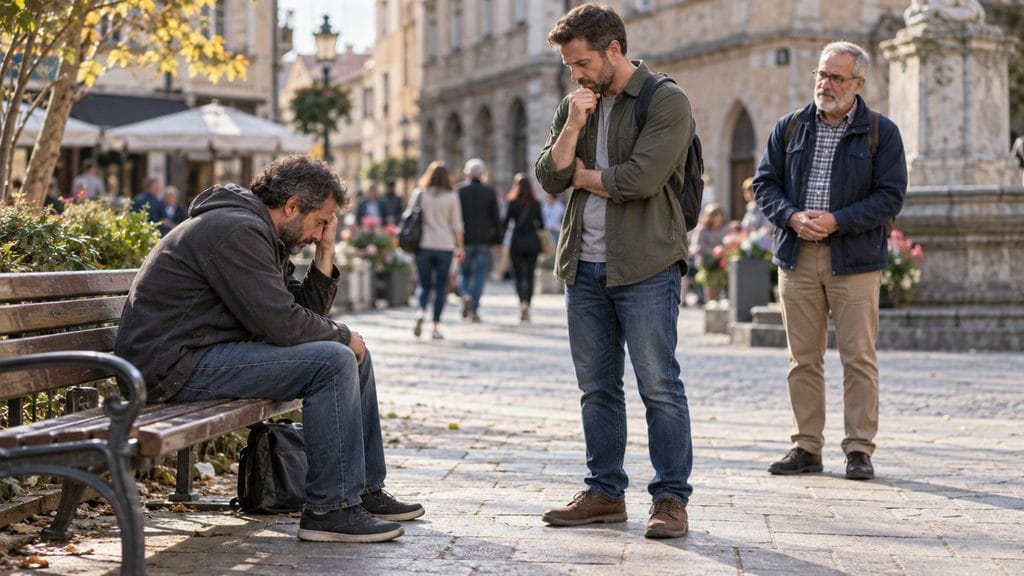
Sometimes, I also sense that someone is carrying heaviness. Still, I should not immediately conclude that the person is spiritually oppressed or pretend that I know exactly what they are experiencing.
Last Thoughts
Do you think you may have the gift of discernment? Have you ever experienced something spiritual that you later realized did not come from God? What helps you test these experiences?
Leave your experiences and questions in the comments below.