
How to Seek Wise Counsel When Making a Decision
Do I want wise counsel or just someone to agree with me?
When I first became a Christian, I noticed that I became more aware of my choices. Before, I relied mostly on myself. Sometimes, I might listen to Tony Robbins, Jim Rohn, or another famous person.
But after coming to Christ, I realized something: I wanted to make choices that were pleasing to God.
Initially, that can put some weight on your shoulders. After all, God, the Creator of Heaven and earth, sees everything we do and even knows our thoughts.
So, how can we do the right thing? Should I take this job? Should I move to another city? What about that woman or man I met—could this relationship lead to marriage? How can we make a wise choice that pleases the Lord?
The Bible does not have one verse telling us which job to accept or which city to move to. Sometimes, we may have two reasonable choices before us. That is when we should pray, study Scripture, gather the facts, and seek wise counsel.
However, sometimes we ask people, “What do you think?” when we have already decided what we want them to say.
In this guide, we’ll look at why we have blind spots, how to choose the right counselors, and how to receive advice that may not be what we wanted to hear. We’ll also see why counsel can help us make a decision without making that decision for us
Key Takeaways
- We all have blind spots: Our emotions, fears, and desires can make us overlook something that may be obvious to someone outside the situation.
- Seek counsel, not confirmation: If we keep asking people until someone agrees with us, we are not truly looking for wisdom.
- Choose the right counselor: Look for someone who understands the decision, shows good judgment, takes Scripture seriously, and is willing to disagree with you.
- You are still responsible for the decision: Wise counsel can help us think more clearly, but it cannot replace prayer, Scripture, or our responsibility to make the final choice and trust God.
The Bible Assumes We Have Blind Spots
When we get involved in a decision, we usually develop blind spots. These may be things right in front of us that, for some reason, we do not see.
Sometimes our emotions get in the way, or we want our desired outcome regardless of the circumstances.
“A fool’s way is right in his own eyes, but whoever listens to counsel is wise.”
—Proverbs 12:15 (CSB)
This is especially noticeable when it comes to romantic relationships.
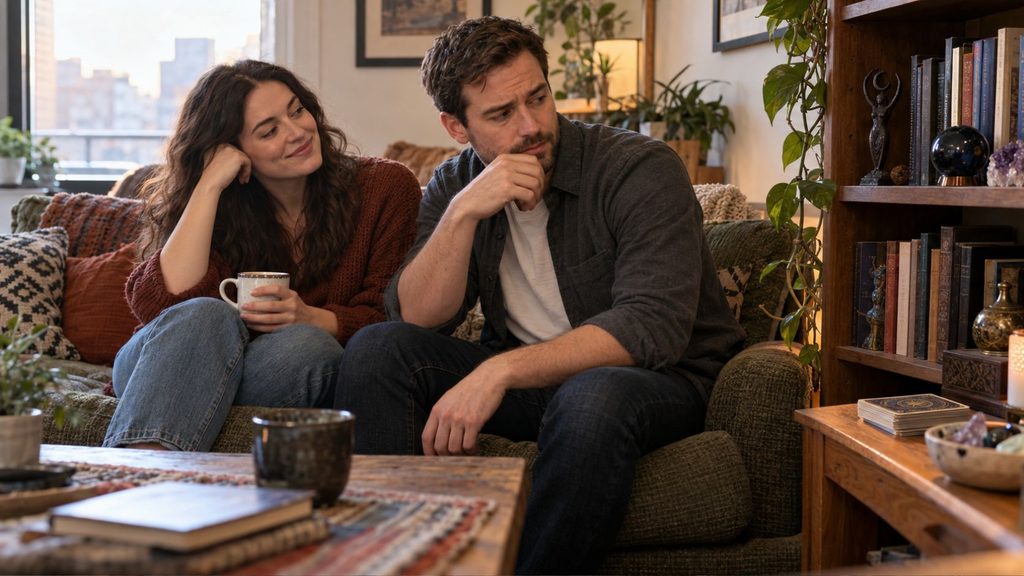
We meet someone, spend time with them, and begin to feel emotionally connected.
We may even notice a few red flags, such as that person having occult books and tarot cards on a shelf in their home.
But our minds like to play tricks on us, and they can be pretty creative.
Instead, we tell ourselves, “Nah…maybe that’s something they were once curious about. Everything will be alright.”
Perhaps we have been lonely for a long time, or there is some other reason we want the relationship to work. So, we create excuses around that person’s behavior and become overly tolerant.
“Plans fail when there is no counsel, but with many advisers they succeed.”
—Proverbs 15:22 (CSB)
Our hopes and fears can make us overlook warning signs. Without noticing, we may become trapped in a web that is now difficult to escape.
Seeking Counsel
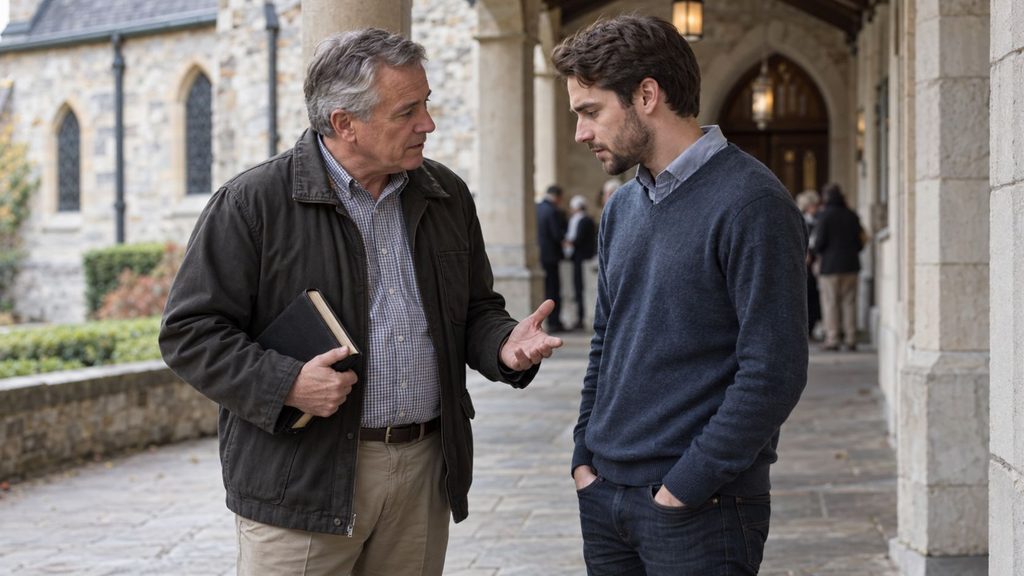
That’s why Proverbs warns us about making plans without counsel. Sometimes we need an outside pair of eyes. Someone who is not emotionally entangled in our situation to see what we cannot.
For spiritual and moral decisions, I’d suggest seeking counsel from someone who is a mature Christian. That does not mean a non-Christian or newer believer can never offer useful practical advice. However, their values or understanding of the faith may differ from ours.
The person we ask matters. We need someone who knows enough about the situation, follows Christ, and is willing to tell us something we may not want to hear.
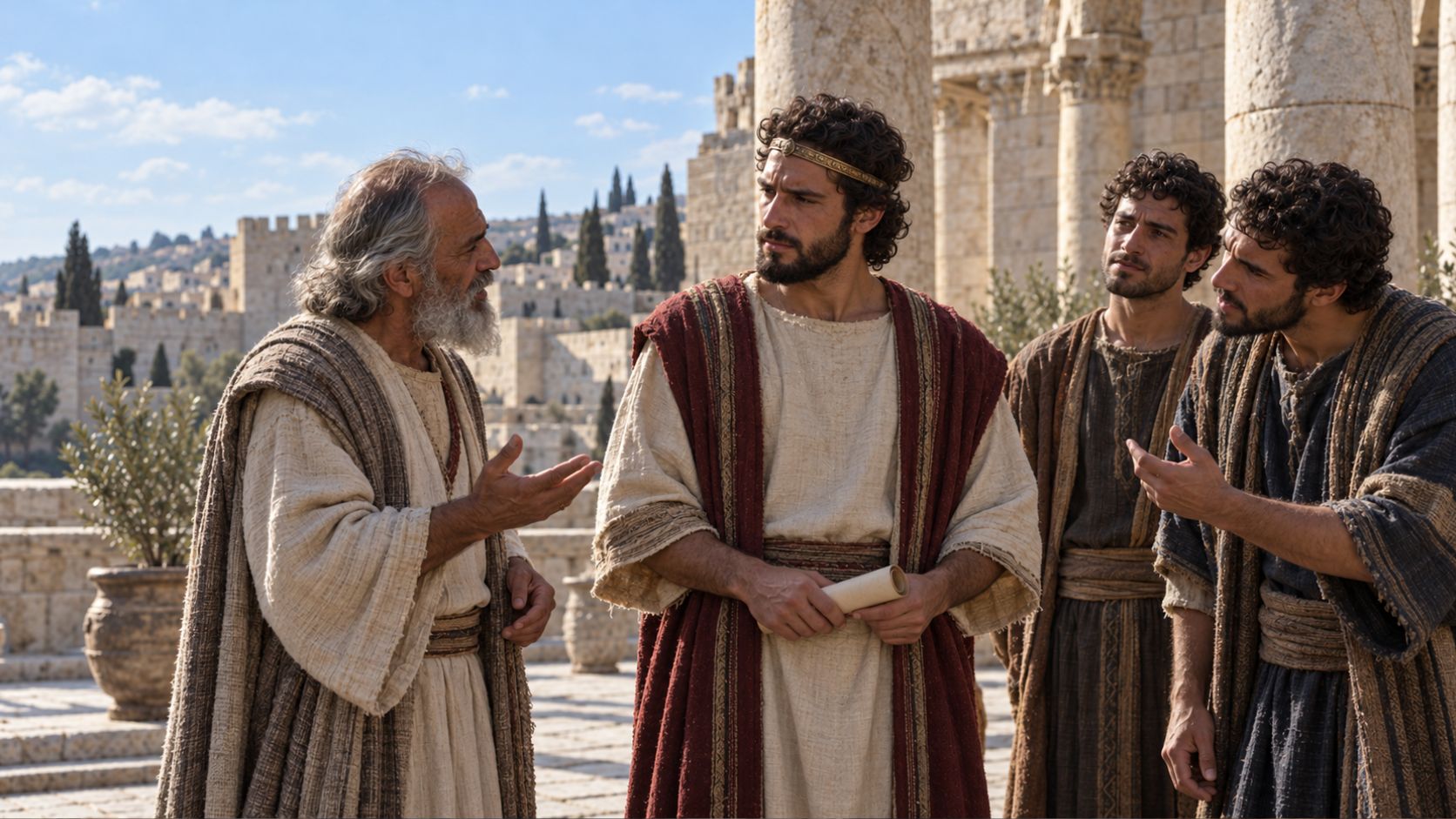
Rehoboam Asked for Advice—and Still Made a Foolish Decision
Rehoboam became king after Solomon’s death. The Israelites came to him and asked him to lighten the heavy burden that his father had placed upon them.
So, Rehoboam went to the elders who had served his father and asked them for advice.
“They replied, ‘Today if you will be a servant to these people and serve them, and if you respond to them by speaking kind words to them, they will always be your servants.’
But he rejected the advice of the elders who had advised him and consulted with the young men who had grown up with him and attended him.”
—1 Kings 12:7–8 (CSB)
The elders gave Rehoboam wise advice. They told him to lighten the people’s burden and speak kindly to them. If he did so, he would earn their loyalty.
Rehoboam’s Younger Friends

Yet, Rehoboam rejected the elders’ advice. Instead, he went to the younger men who had grown up with him and asked what they thought.
They told him to make the people’s burden even harsher than it had been under his father Solomon.
Rehoboam followed the advice that matched the kind of answer he wanted to give. As a result, the northern tribes revolted against him, and the kingdom divided.
So, What Does This Show Us?
First, the Bible is amazing. It does not hide people’s bad choices or the consequences that follow.
But does this story mean we should alw