What Does It Mean That God Is Holy?
I enjoy listening to Stephen McWhirter; he’s an amazing singer. I suggest checking him out on YouTube if you don’t know him. Anyway, I love his version of “Revelation Song,” especially this line:
“Holy, holy, holy is the Lord God Almighty.”
We sing songs like this and others where we talk about the holiness of our Lord God.
We also read Scripture and see the seraphim declaring not once, not twice, but three times, “Holy, holy, holy.” So, Scripture clearly places a lot of importance on God being holy.
But why does the Bible place so much emphasis on this word? What does it mean that God is holy? And more importantly, what does His holiness mean for us?
Being holy does not simply mean doing our best to be really good and nice. God calls us to belong to Him, turn away from sin, and become more like Christ in the way we live. He sets us apart and, through His grace, changes us.
In this guide, we’re going to use Isaiah’s encounter with God to understand His holiness. We’ll also see how God’s holiness exposes our sin, how His holiness works together with His love and mercy, and what God means when He tells us to be holy.
Key Takeaways
- God’s holiness means more than being without sin. He is completely pure, uncreated, and different from everything He made. There is no corruption or darkness in Him.
- God’s holiness exposes what is wrong inside us. When we compare ourselves with other people, we may think we’re doing great. But when we look at God, we see how much we still need His grace.
- The Holy God is not afraid to come near us. Jesus touched the unclean, ate with sinners, forgave sins, and restored people without becoming contaminated by their sin.
- Being called to holiness does not mean becoming God. It means belonging to Him, turning away from sin, becoming more like Jesus, and being ready to serve when God calls us.
Isaiah Saw God and Suddenly Saw Himself Differently
You can read Isaiah 6:1–5 before we jump into it. But several things happen:
- Isaiah, the prophet of Israel, has a vision where he sees God seated on a high and lofty throne.
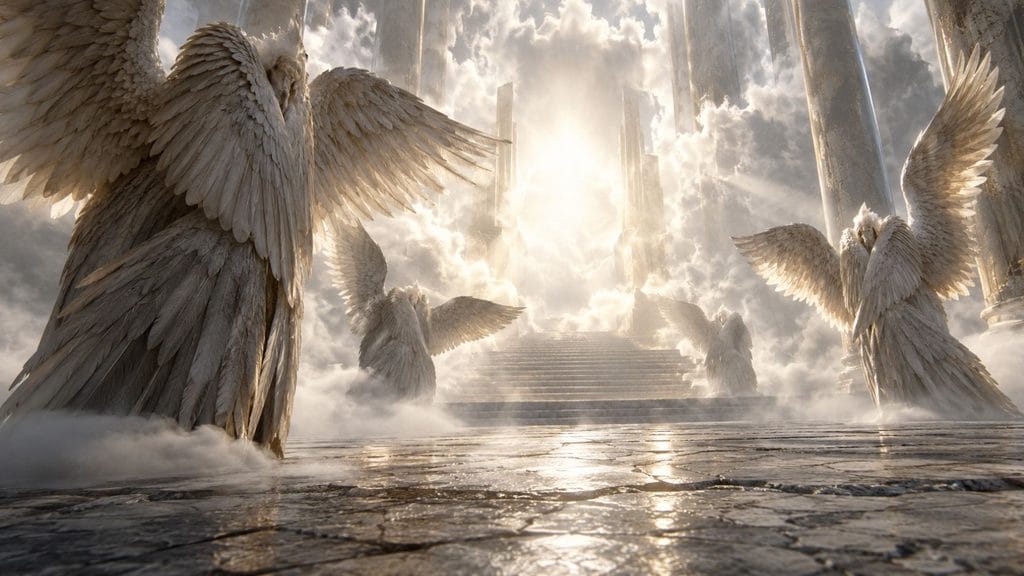
- The seraphim stand above God, calling to one another, “Holy, holy, holy.”
- The foundations of the temple doorways shake at the sound of their voices, and the temple becomes filled with smoke.
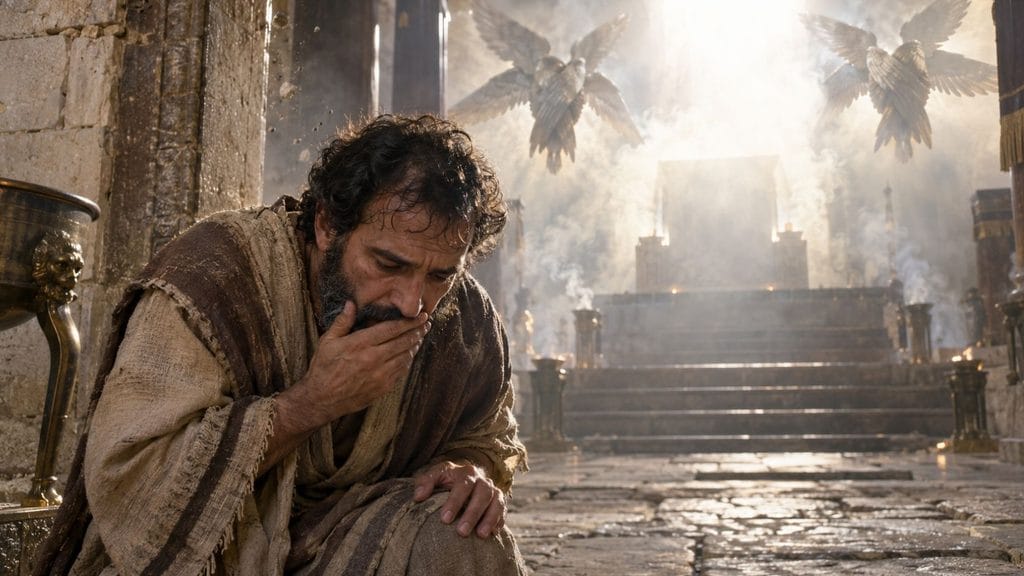
After Isaiah saw God’s holiness and glory, his behavior changed. He looked at himself and the people around him and realized that he was a man of unclean lips living among people of unclean lips.
I think we all fall into the same mistake. We do not truly understand God’s holiness. I might look at myself and think I’m pretty good.
But when you’re faced with God, you realize how much sin and uncleanness you still have.
Nothing about Isaiah had suddenly changed. What changed was what he could now see.
Isaiah was one of the greatest prophets of the Old Testament, and God did amazing things through him. Yet even he clearly saw how sinful he still was when standing before God’s glory.
Still, as we keep reading, God does not tell Isaiah, “Get away from me, you dirty man.” Instead, God reaches out and cleanses him. This story shows us not only the holiness of God but also His mercy and goodness.
Holy Means More Than “God Never Does Anything Wrong”
When you think of God’s holiness, the first thought that may come to your mind is, “He’s perfectly pure and without sin.”
That is right. God is morally perfect and completely without evil. But holiness goes beyond that initial understanding.

Creator vs. Creation
God’s holiness points to how different He is from all creation. God has always existed, and He is the Creator of everything and the source of all life.
Everything depends on Him, but He does not depend on anything to exist. Before the beginning of time, the Father, Son, and Holy Spirit existed in perfect communion, love, and glory.
God Is Flawless
God’s goodness cannot be corrupted by evil, injustice, or deceit. He is the source of everything that is morally good. He does not sometimes choose good and other times struggle against evil desires. Everything He does flows from His perfectly good character.
God Is Light
In the beginning, God created physical light and separated it from darkness. God is not a created beam of light, but Scripture later tells us that “God is light, and there is absolutely no darkness in him” (1 John 1:5).
Where there is light, darkness is exposed. In a similar way, God’s presence exposes what we try to hide and helps us see sins that we did not recognize before.
Saying all that, God is not like anyone else. He is the source of all creation, life, purity, goodness, and holiness. God is not simply a better and more moral version of us. He is the holy and uncreated Creator.
“Holy, Holy, Holy” Is Not Just Repetition for Dramatic Effect
Isaiah 6:3 and Revelation 4:8 both portray heavenly beings continually declaring God’s holiness.
In biblical Hebrew, repeating a word could give it greater emphasis. So, when the seraphim declare “holy” three times, they are intensely emphasizing how holy God is.
In other words, God is not slightly holy or simply holier than us. He is completely and perfectly holy.
But Why So Much Emphasis on Holy?
In these visions, we do not see the heavenly beings repeating words like love, just, or merciful three times. Instead, they focus on God’s holiness.
The reason is that God’s holiness is connected to everything He is.
In other words, knowing that God is holy means that:
- His justice is pure and without corruption.
- His love is pure and without selfishness.
- His mercy does not ignore sin or act like evil does not matter.
Everything about God is holy, or you could say, there is no corruption in His character. He cannot be corrupted by sin or darkness. Everything He does is pure, righteous, and good—purer than gold.
Trinitarian Significance
Some Christians also see the three holies as a connection to the Father, Son, and Holy Spirit.
I think that is a beautiful connection. But we should not claim that the passage directly says each “holy” belongs to one Person of the Trinity.
The main point is that God is completely holy. Of course, the Father, Son, and Holy Spirit are each fully holy because they share the same divine nature.
God’s Holiness Changes the Way We Understand Sin
These verses remind me of those before-and-after weight-loss photos, where you see someone’s results after following a diet for 90 days. Well, Isaiah experienced something similar, but with God. I mean:
Before and After Seeing God’s Throne
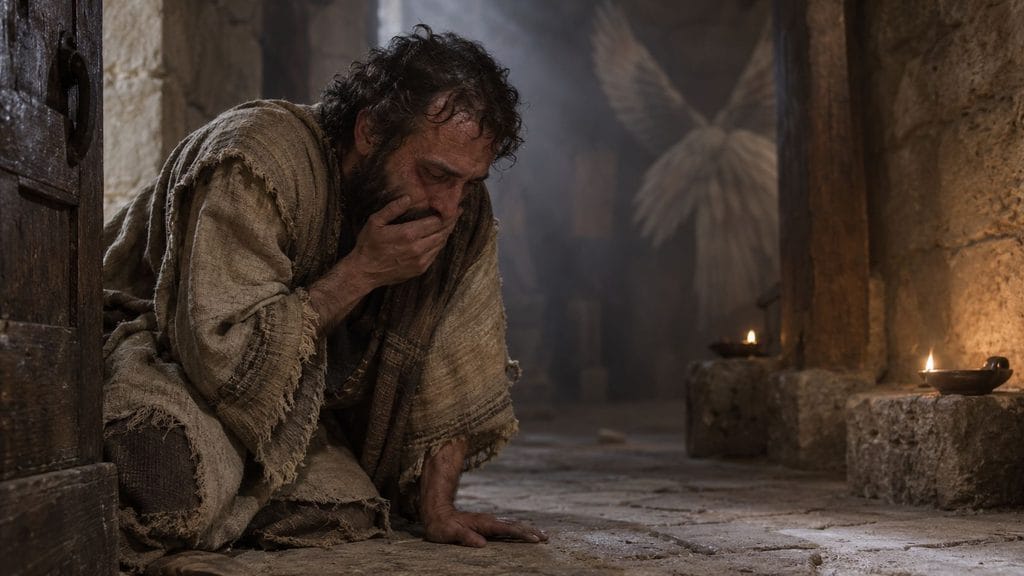
Before seeing God’s throne: Isaiah already knew what sin was. The book of Isaiah shows him speaking against the idolatry, injustice, and rebellion of the people of Israel.
After seeing God’s throne: God brought greater clarity to him. Isaiah saw God’s holiness and realized how unclean he was. Nothing about Isaiah had suddenly changed. What changed was how clearly he could now see himself.
Comparing Ourselves With Other People
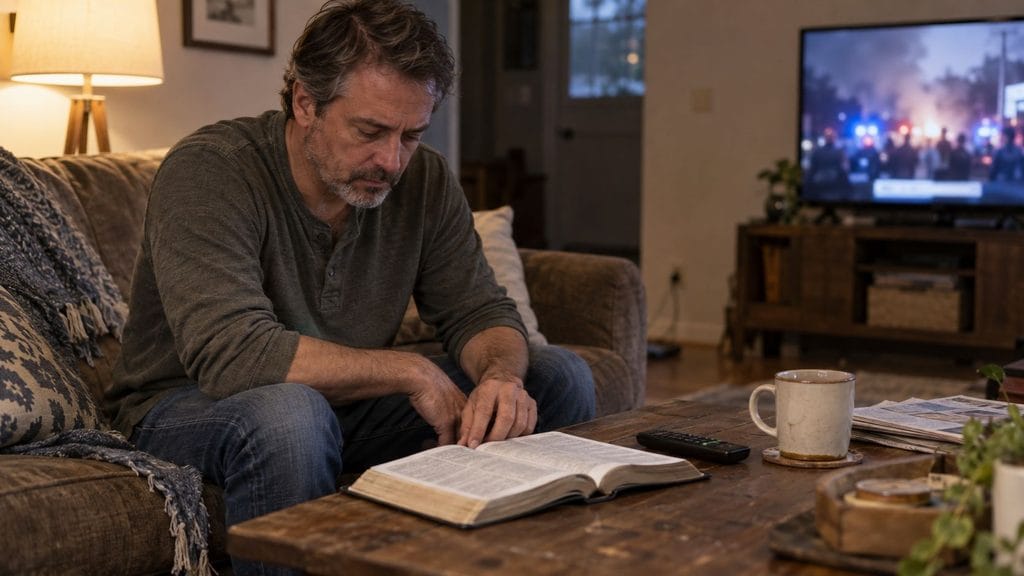
We can look at ourselves and think we’re doing pretty well compared to the people around us. Particularly nowadays, it does not take long to find darkness.
We may see a well-known Christian fall into sexual sin. Or we turn on the TV news and see wars, sickness, death, corruption—you name it. We have a full-course meal served on our plates daily.
Isaiah could also have compared himself to the people of his time. Many of them were involved in idolatry, injustice, and all kinds of sinful things. Compared to them, Isaiah might have looked pretty good.
But when Isaiah saw God’s holiness, his comparison suddenly changed. He no longer measured himself against everyone else. Instead, he saw himself in the light of God’s holiness.
God’s presence exposed what was hidden in the darkness.
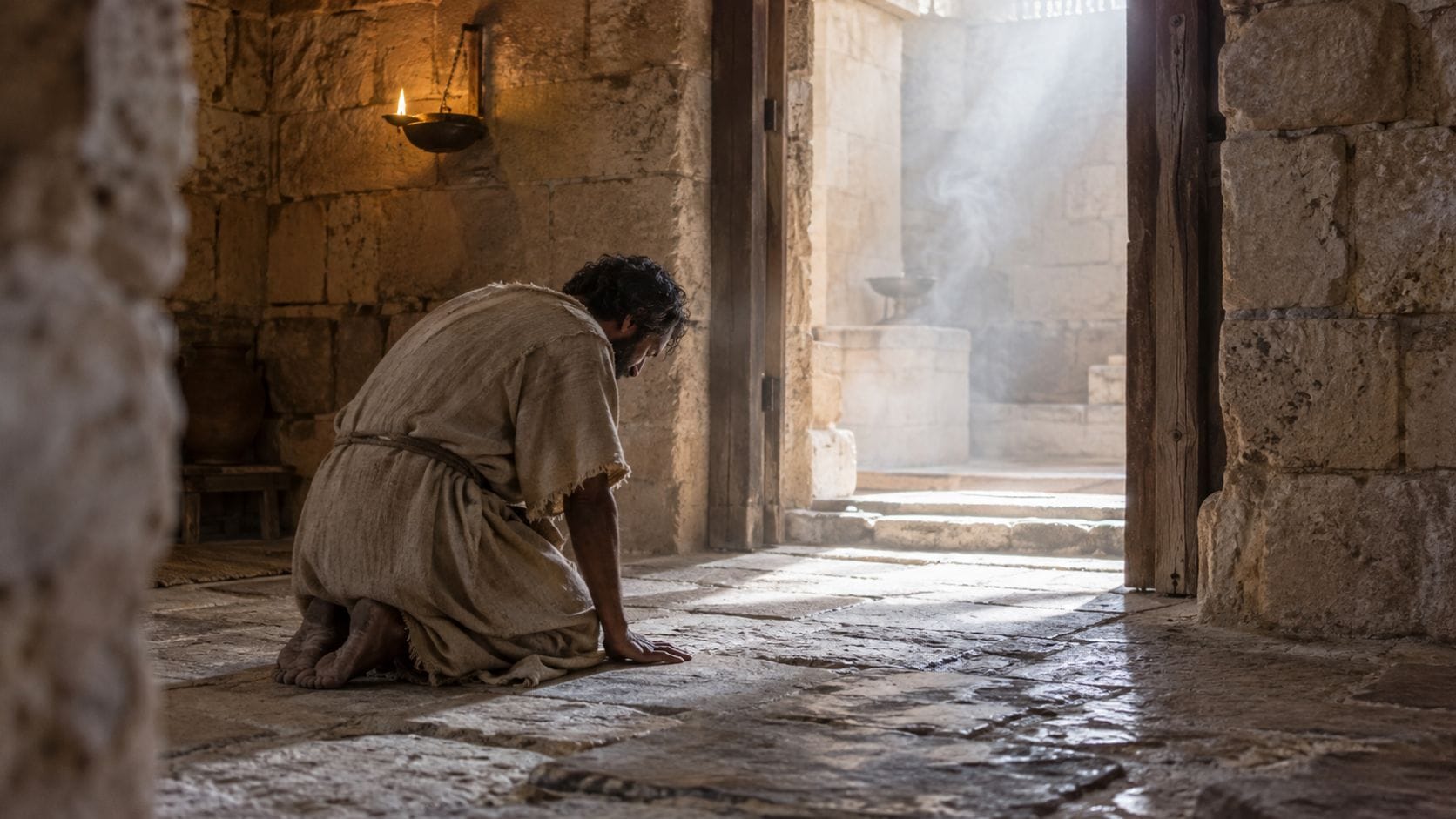
Afterward, Isaiah felt ruined because he knew that he was a man of unclean lips living among people of unclean lips.
The Fear of the Lord Brings Wisdom
Now, this realization and fear may seem like something bad. But the Bible also says:
“The fear of the Lord is the beginning of wisdom, and the knowledge of the Holy One is understanding.”
—Proverbs 9:10 (CSB)
This fear does not mean that we should panic and run away from God. It means that seeing His holiness should fill us with reverence and help us understand how serious sin really is.
Sin is not only about breaking a list of religious rules. Sin is serious because it goes against the holy character of the God who created us.
Here’s the Problem…
Saying this, we should not compare ourselves with the rest of the world. Imagine society falls so far that murder, abuse, and exploitation become normal. If we do not participate in those things, we may think, “Gosh, I’m awesome!”
But maybe we still lie, steal, hold hatred in our hearts, or do other wicked things.
So, we should not measure our holiness by comparing ourselves with other people. The more depraved society becomes, the easier it is to fool ourselves into thinking we are good simply because we are not as bad as the people around us.
Instead, we should seek God, allow His holiness to expose what needs to change, and let Him transform our hearts so that we can become more like Christ each day.
Isaiah’s Story Doesn’t End With “Woe Is Me”
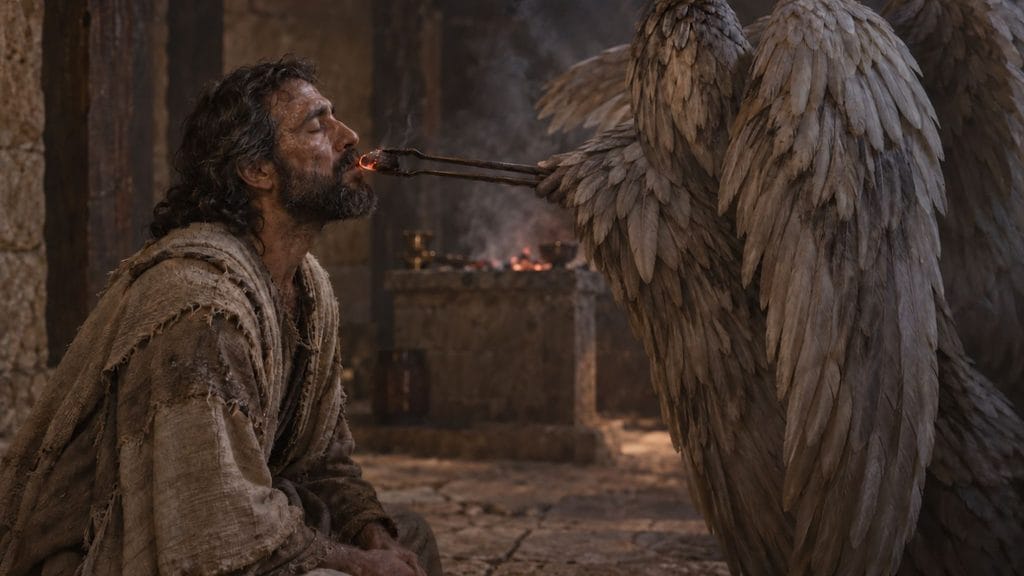
“Then one of the seraphim flew to me, and in his hand was a glowing coal that he had taken from the altar with tongs. He touched my mouth with it and said:
Now that this has touched your lips, your iniquity is removed and your sin is atoned for.”
—Isaiah 6:6–7 (CSB)
God did not push Isaiah away. Instead, He reached out and cleansed him.
Isaiah recognized his uncleanness, but he could not cleanse himself. Then one of the seraphim touched his lips with a glowing coal from the altar. His guilt was removed, and his sin was atoned for.
Now, this may seem like a reality far away from us. Most of us will probably never experience an angel flying toward us with a glowing coal and honestly, that may be a good thing.
Still, Isaiah’s story reflects our condition. We cannot make ourselves holy through our own efforts. We need the saving work of Jesus Christ. We need God’s grace, forgiveness, and mercy working in us daily and making us more holy. In other words, sanctifying us.
Of course, this does not mean that we sit back and do nothing. We must respond to and cooperate with God’s grace, turn away from sin, and desire to become more like Jesus.
The same encounter that exposed Isaiah’s sin also showed God’s willingness to cleanse him. God’s holiness did not leave Isaiah without hope, and it should not leave us without hope either.
You are never too dirty or too far gone for God. He knows you better than you know yourself. Just as He cleansed Isaiah, God offers us cleansing through Jesus Christ.
Jesus Shows Us the Holy God Coming Near
God’s desire to restore our communion with Him is so great that He sent His Son, Jesus Christ.
The glowing coal gives us a helpful picture of this. When it touched Isaiah’s lips, it did not become contaminated by his uncleanness. Instead, it cleansed Isaiah.
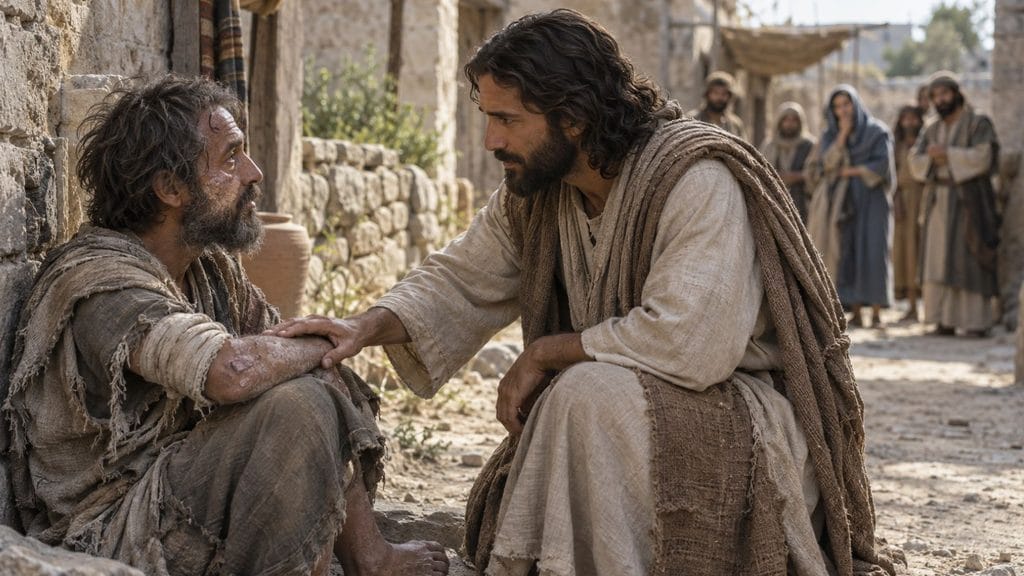
In the same way, Jesus is God in the flesh walking among humanity. That shows us how close God wants to be to us. He does not turn away because of our uncleanness.
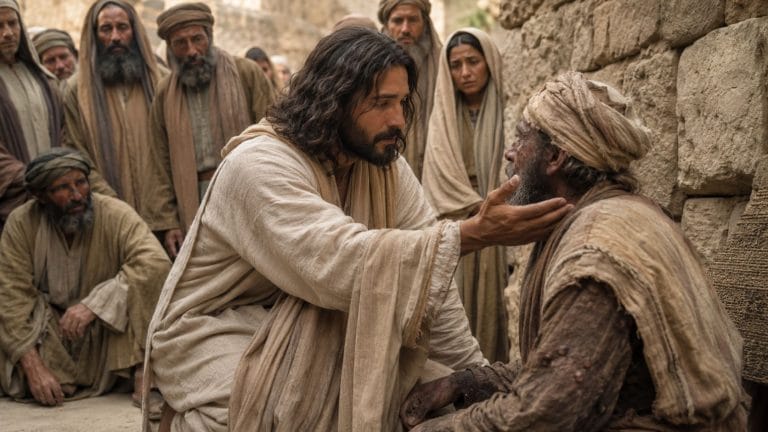
- Jesus touches the unclean, heals them, delivers them, and restores them.
- He eats with sinners, not to become part of their gang, but to call them toward repentance and bring salvation to them.
- He forgives sins and gives His disciples authority to forgive sins. Through Christ, we can be reconciled with God because sin separates us from Him.
Jesus does not become less holy or contaminated by coming into contact with sinners. Instead, His presence brings cleansing, forgiveness, and restoration.
God’s holiness does not mean that He is unable to come near us. In Christ, the Holy One comes toward us.
“Be Holy” Does Not Mean “Become God”
“But as the one who called you is holy, you also are to be holy in all your conduct; for it is written, Be holy, because I am holy.”
—1 Peter 1:15–16 (CSB)
We will never become God or possess His infinite holiness. God is holy by nature, while we are still His creatures. However, through His grace, we can truly become holy because we are called to belong to Him.
But what does that mean?
Turn Away From Sin
We do our best, with the help of God’s grace, not to give in to our temptations. I know that’s more easily said than done.
Even when we fall into sin, we should go back to God, ask for His forgiveness, and ask Him to strengthen us. Once again, we are not too dirty for Him.
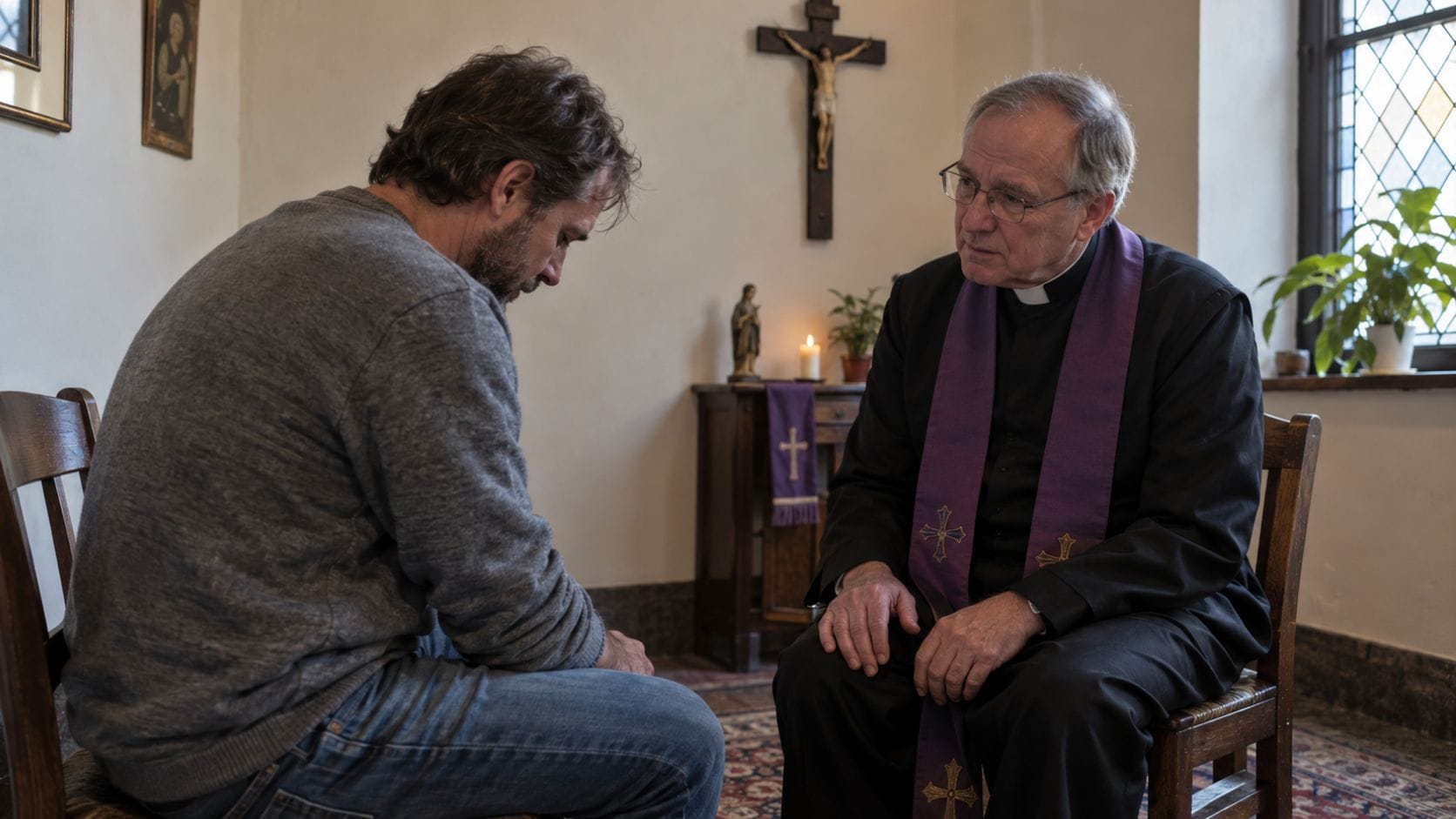
Depending on your church tradition, this may also include confessing serious sins to a priest.
Increasingly Reflect His Character
We should constantly pray for God to make us more like Jesus. For instance, if you notice that you’re acting prideful at work, church, or whatever, ask God to give you more humility.
We should reflect on our lives and recognize where we are failing. We always have something that we need God’s help to change so that we can become more Christlike.
Live Differently
We are called to be saints. That means we are set apart by God to become holy. We are not supposed to follow the sinful ways of this world because our ways come from above.
Sometimes, that means people may call us “too religious,” “too rigid,” or “old-fashioned” because we do not follow whatever the world currently accepts.
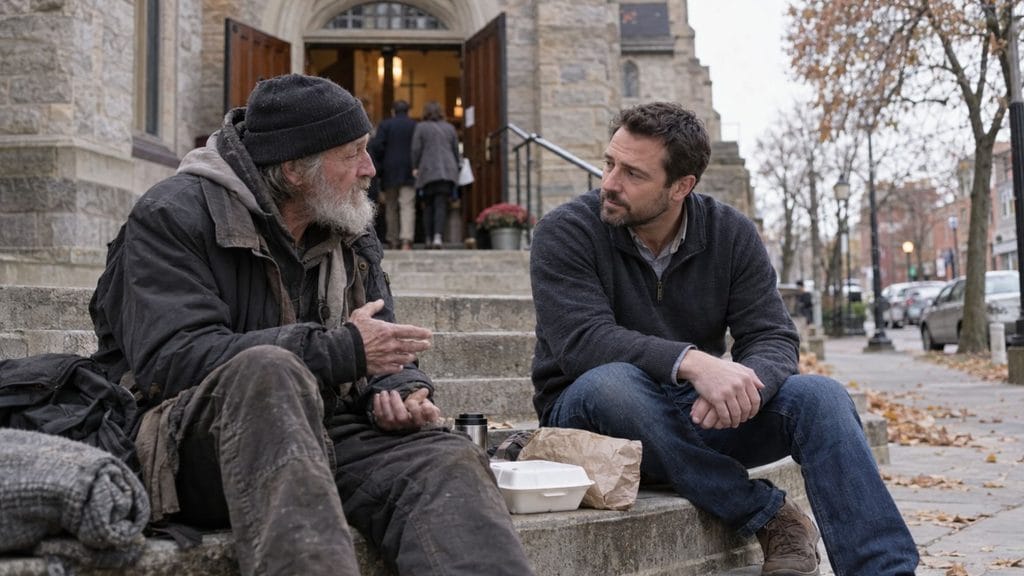
We may say that abortion is wrong because it ends an innocent human life. Or we may prefer to go to church on Sunday instead of getting drunk at a bar until late at night.
But holiness is not only about what we refuse to do. It also means loving our enemies, forgiving those who hurt us, helping people in need, speaking honestly, and treating others with dignity.
Christians are meant to reflect Jesus. By reading the Gospels, we know that Jesus did not have it easy. His ways were not the ways of the Roman Empire, sinful human values, or corrupt religious leaders. His ways came from the Kingdom of Heaven.
In a broken world like ours, that is not the easiest road to follow.
Isaiah Leaves the Encounter Ready to Go
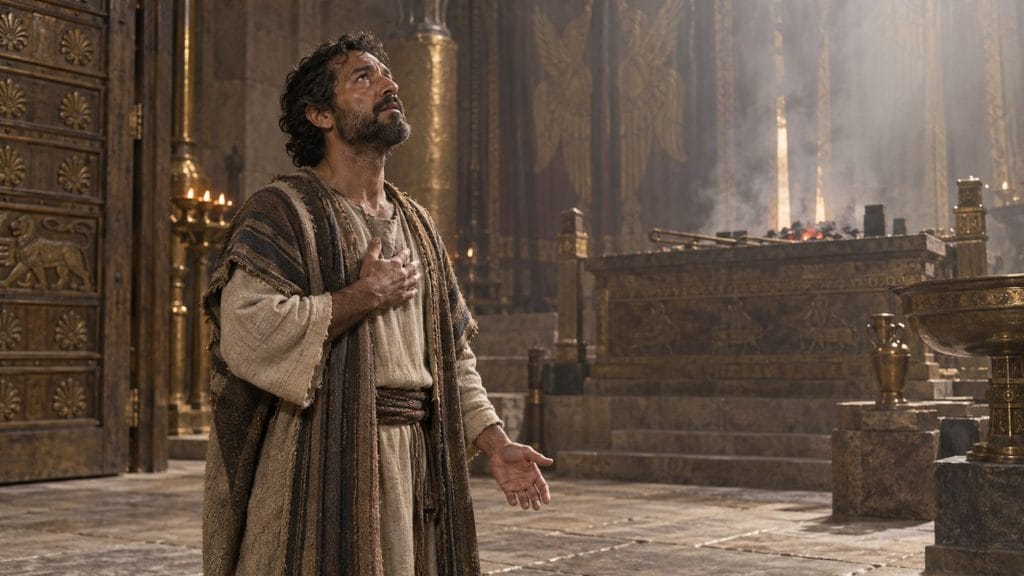
“Then I heard the voice of the Lord asking:
Who will I send?
Who will go for us?
I said:
Here I am. Send me.”
—Isaiah 6:8 (CSB)
After God cleansed Isaiah, He asked, “Who will I send? Who will go for us?” Isaiah replied, “Here I am. Send me.”
Once Isaiah’s guilt was removed and his sin was atoned for, he was ready to carry out God’s work. Nobody needed to push him out the door. He volunteered.
What does that mean for us? Well, shame, guilt, and unrepentant sin can become barriers in our Christian lives. They can make us hesitate when God calls us to do something.
Maybe we feel like we’re not worthy. Spiritual oppression can also trap us in condemnation and make it difficult to see beyond our problems.
Sin can harden our hearts and cloud our judgment. But God’s mercy does not cleanse us so that we can sit still. He also calls us to serve.
Isaiah moved from “Woe is me” to “Here I am. Send me.” His encounter with our holy God prepared him to go.
Last Thoughts: What Does God’s Holiness Mean to You?
When you hear that God is holy, what comes to your mind? Do you imagine a God who is distant from us, or the Holy One who came near through Jesus Christ?
Has understanding God’s holiness changed the way you see your own sin? Is there an area of your life where God may be calling you to turn away from sin and become more like Jesus?
I’d love to hear your thoughts. Leave your answers or any questions you still have in the comment section below.