
General Revelation vs Special Revelation: Key Differences
Can creation tell us everything we need to know about God?
Before becoming a Christian, I already believed in God. I looked at nature, ourselves, and everything around us and saw the complexity. I thought, “There has to be an intelligent designer behind all of this.”
But I did not know Jesus. Sometimes, I watched a video or movie from the USA where people had T-shirts with Jesus on them. I thought, “He looks like a cool guy with long hair.”
That’s about all I knew, and that’s why we are having this conversation today: general revelation vs. special revelation.
I knew something of what we now call general revelation. I could look around at creation and sense that some incredibly intelligent and powerful Creator was behind it all.
But once I encountered what God had revealed through Scripture and ultimately through Jesus Christ, those unanswered questions began to have answers:
Who created all of this? Why did He create it? How does God want us to live? How can we be saved?
Creation had pointed me toward a Creator, but it could not tell me the full story.
General revelation is all around us, even though most people probably do not know the theological term for it. But creation alone cannot tell us everything God has revealed.
For that, we need His special revelation through His words and actions in history, His prophets, and ultimately Jesus Christ.
In this guide, we’ll look at the difference between general and special revelation, what each one tells us about God, and why creation alone cannot give us the full picture.
Key Takeaways
- General revelation is all around us. Creation, its order, and our moral awareness can point us toward a powerful and intelligent Creator.
- Creation cannot tell us the whole story. You can look at the stars and recognize that someone made them, but the stars cannot explain the Trinity, the Cross, salvation, or why we need Jesus.
- Special revelation is God making Himself known more clearly. He revealed Himself through His words and actions in history, the prophets, Scripture, and ultimately through His Son, Jesus Christ.
- Jesus is far more than another prophet or wise teacher. He is the eternal Son of God made flesh, and through Him we learn who God is and how we can be reconciled to Him.
Revelation Starts With God, Not With Us Figuring Him Out
Revelation starts with God. He has made Himself known throughout generations through His words and actions, His commands given to Israel, the prophets, and ultimately through Jesus Christ.
Jesus Christ is God the Son made flesh, fully God and fully man. So, when we read the New Testament, we learn how the Son of God lived among us, what He taught, and how through Him we can be reconciled to our Heavenly Father.
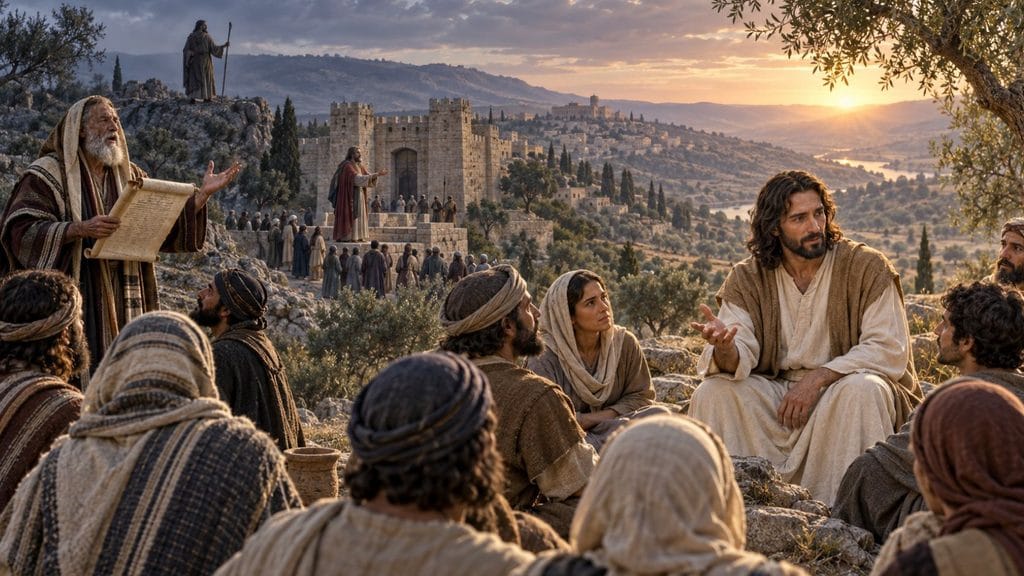
“Long ago God spoke to the fathers by the prophets at different times and in different ways. In these last days, he has spoken to us by his Son…”
—Hebrews 1:1–2, CSB
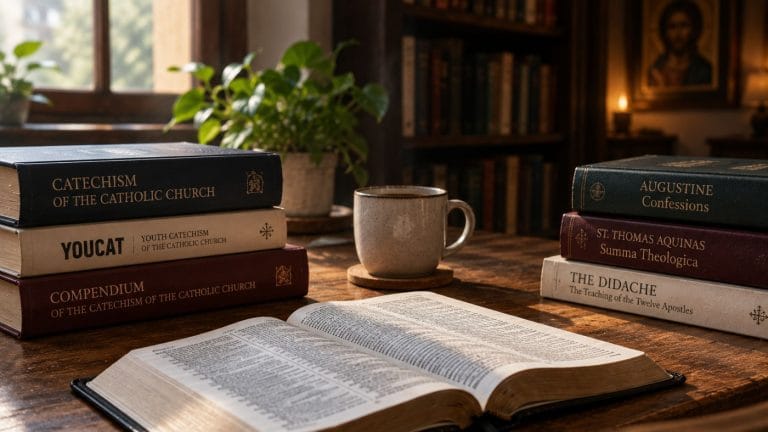
We can read the Bible and, with the help of the Church, use reason to understand God’s revelation. In other words, we begin to understand who God is, what He has done, and how He wants us to live.
God did not leave humanity trying to figure Him out completely on our own. He chose to make Himself known. Without that revelation, we could easily create false religions, idols, and our own ideas about what God must be like.
Honestly, even with what God has revealed, we still sometimes do a pretty bad job of understanding Him.
Creation Tells Us Something Real About Its Creator
So, let’s first talk about general revelation. I mean, it’s probably the most obvious one. We just need to look around and see what God has done.
“The heavens declare the glory of God, and the expanse proclaims the work of his hands.”
—Psalm 19:1, CSB
God’s creation points to His existence when we look at planet Earth, the stars, animals, and human beings.
When I look at this complex world, it points to a Creator who is far more intelligent and powerful than we are.
We can also see an underlying order in creation. It’s not like the normal design of a healthy baby has his feet growing out of his head and his head attached to his legs.
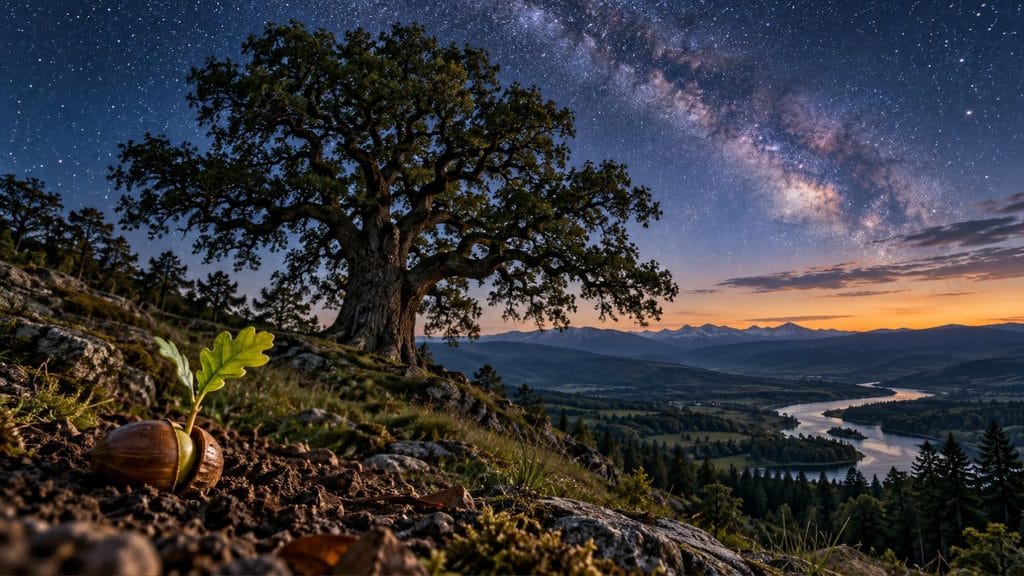
From a tiny oak seed, there is already information within it directing how it grows and eventually becomes a huge oak tree.
Who established that order? Who determined how these things should develop?
Paul makes a similar point:
“For his invisible attributes, that is, his eternal power and divine nature, have been clearly seen since the creation of the world, being understood through what he has made.”
—Romans 1:20, CSB
Then we also have something within us: our conscience. We can recognize that there is a difference between right and wrong.

We have a sense of justice; we can love others, show compassion, and understand that some actions are morally wrong.
Romans 2:15 says that people:
“show that the work of the law is written on their hearts. Their consciences confirm this.”
As Christians, we also understand that human beings were made in the image of God. We are not just another part of creation.
We are creatures capable of reason, relationships, moral responsibility, and knowing our Creator.
All of this is part of what Christians mean when they talk about general revelation: God has left signs of Himself both in the world around us and, in a different way, within us.
But the Stars Cannot Tell You About the Cross
But as I said, you can look at all creation and say, “Yeah, there’s definitely something here. God certainly is smarter and wiser than me.” But that is not the same as knowing who God has revealed Himself to be and what He has done for us.
General revelation is limited. Through creation and our ability to reason about it, we can recognize certain things about God. But looking at a mountain by itself won’t help us understand:
- The Trinity
- God’s covenants with Noah, Abraham, Israel, and King David
- Why Jesus died and rose from the dead
- Why we need Jesus and need to be reconciled with God
- Why Christians have hope
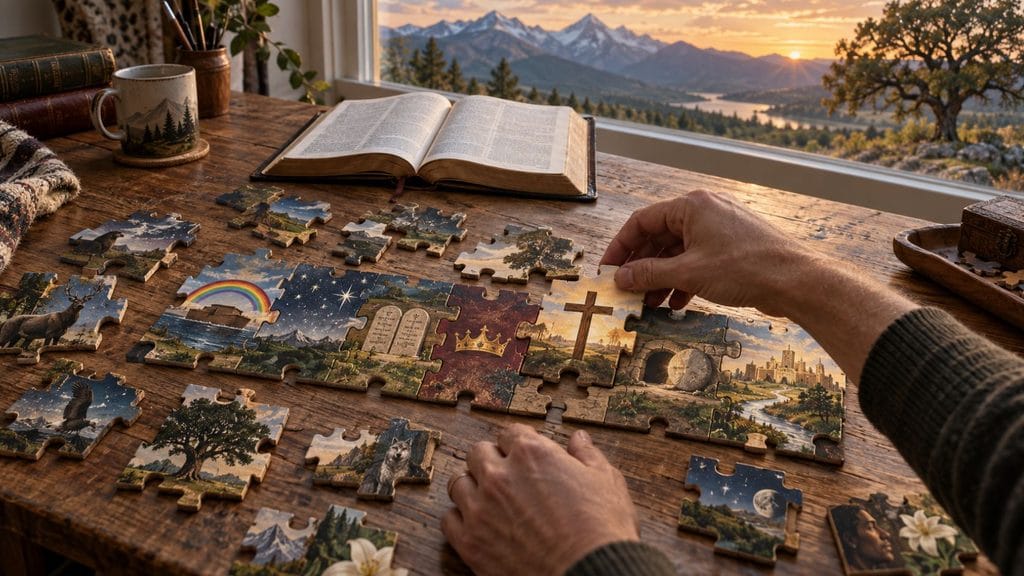
Without special revelation, and I speak for myself here, the world becomes a messed-up puzzle. The written Word of God slowly puts these pieces together, and little by little we begin to see a wider picture.
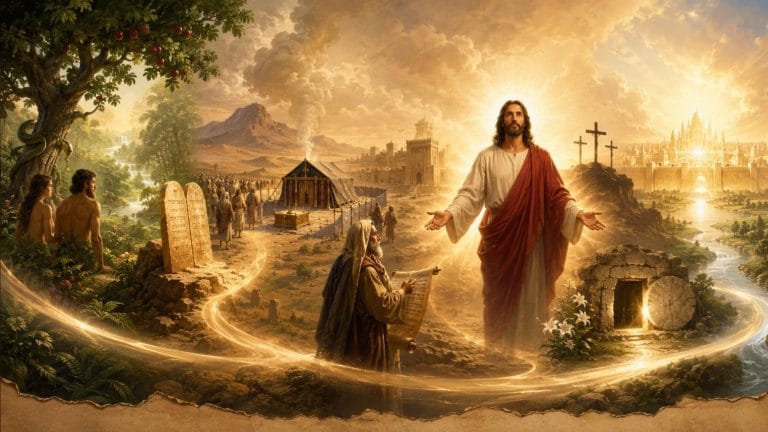
For instance, already in Genesis, after Adam and Eve fall, we begin to see God revealing His promise of salvation—a story that eventually leads us to Jesus Christ.
We can look at creation, but creation cannot preach the gospel to us. You won’t look at an oak tree and, out of nowhere, it starts speaking: “God did this and that, and then Jesus came and did this and that…”
That is why God did more than leave us with creation.
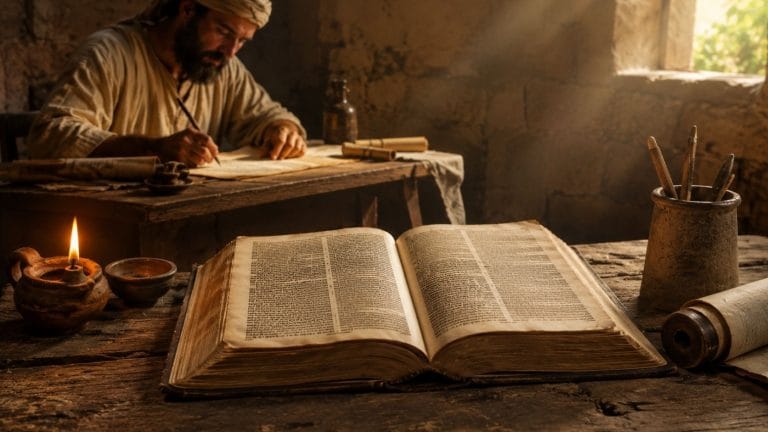
Throughout history, He revealed Himself through His words and actions, through the prophets, and ultimately through Jesus Christ. That revelation was handed on and preserved for later generations, with Scripture giving us the inspired written witness to what God has revealed.
Jesus Is More Than Another Message From God
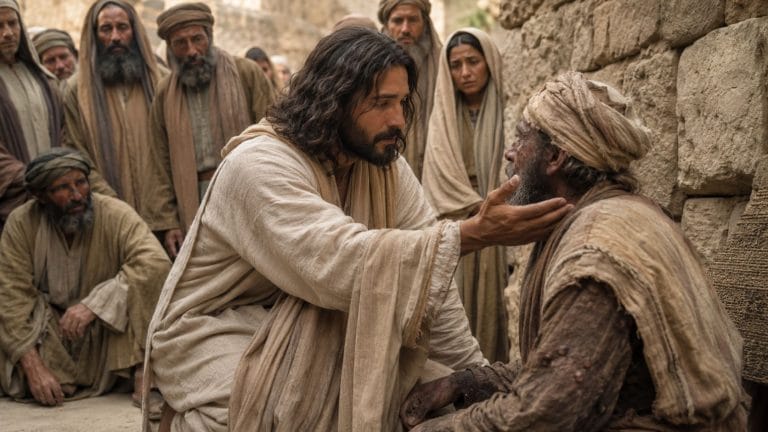
Jesus is not a regular Joe. By that, I mean He was not simply a teacher or another prophet, nor just a smart, wise man who lived about 2,000 years ago. He was far more than that.
“Long ago God spoke to our ancestors by the prophets at different times and in different ways. In these last days, he has spoken to us by his Son.
God has appointed him heir of all things and made the universe through him.
The Son is the radiance of God’s glory and the exact expression of his nature, sustaining all things by his powerful word.
After making purification for sins, he sat down at the right hand of the Majesty on high.”
—Hebrews 1:1–3, CSB
Yes, God, through His prophets and the people of Israel, was preparing the way.
Through Moses, God gave His people commandments and laws, forming Israel as His covenant people and teaching them about His holiness, justice, mercy, and how they were called to live. Israel was also called to be a witness among the nations.
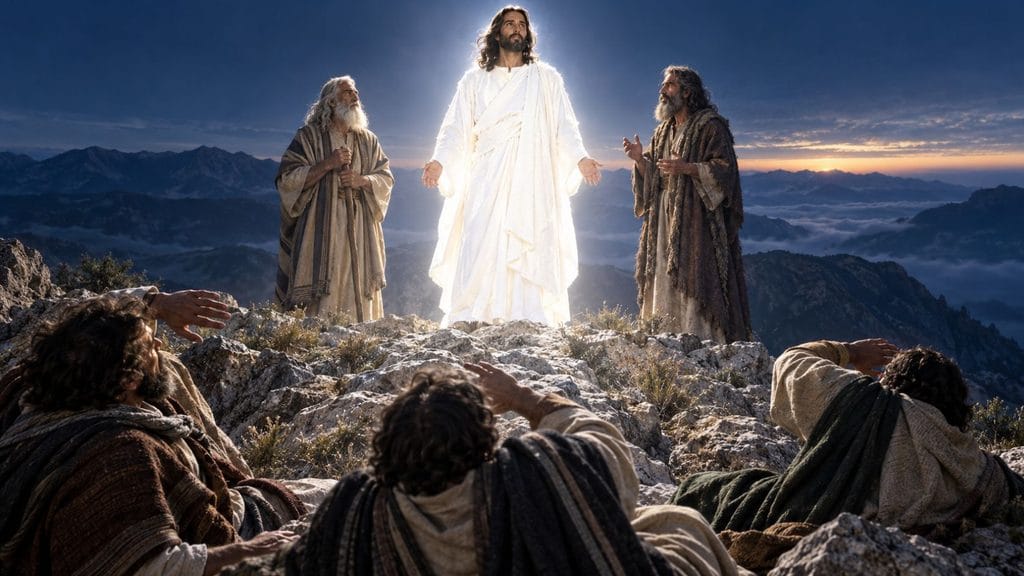
God also revealed through the prophets that a Messiah was coming. Then Jesus was born of the Virgin Mary.
But Jesus did not begin to exist at His birth. He is the eternal Son of God. In the Incarnation, the Son took on a true human nature without ever ceasing to be God.
In other words, He is the eternal Son of God made flesh. Jesus reveals God personally and uniquely to humanity.
“Jesus said to him, ‘Have I been among you all this time and you do not know me, Philip? The one who has seen me has seen the Father. How can you say, “Show us the Father”?’”
—John 14:9, CSB
Jesus is the way, the truth, and the life, and only through Him can we be reconciled to the Father. When we read about Jesus and learn who He is, we also learn what the Father is like.
Jesus is not the Father (they are distinct Persons). But the Father and the Son are the same one God, together with the Holy Spirit.
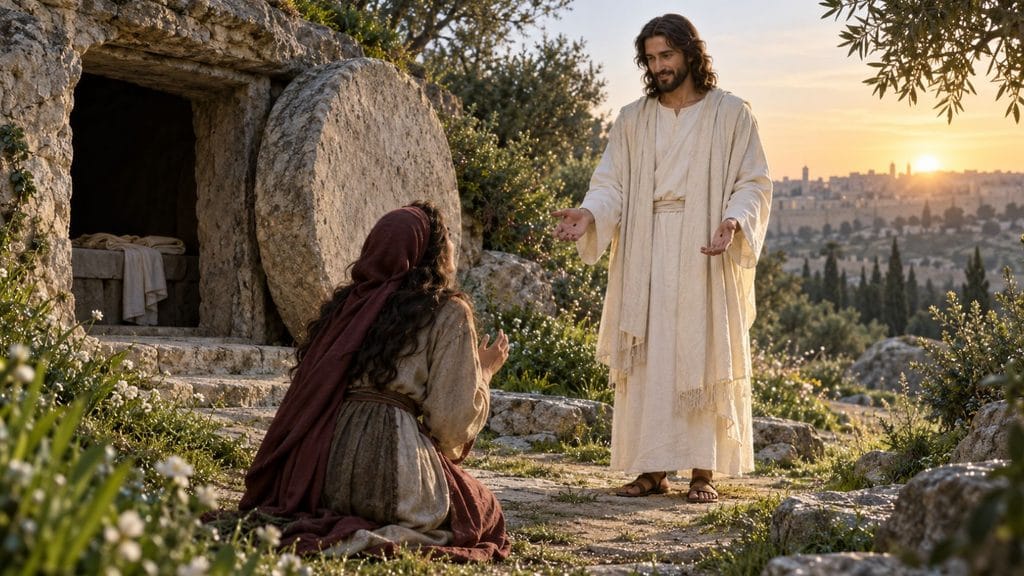
Jesus offered Himself on the cross for the sins of the world. Because sin separates us from God, and through Christ, God offers us the grace and forgiveness we need to be reconciled with Him.
Jesus also rose from the dead on the third day, conquering death and winning victory over sin.
So, long story short, He is not an ordinary man, but the eternal Son of God who brought salvation to the world. No other man, prophet, or anyone else can ever do what Jesus did.
Why Doesn’t Everyone Look at Creation and Reach the Same Conclusion?
Just because we look at the world around us does not mean everyone will see things from the same perspective.
There are many reasons for this. Some people may believe science can eventually explain everything, while others may simply be unconvinced that creation points to God.
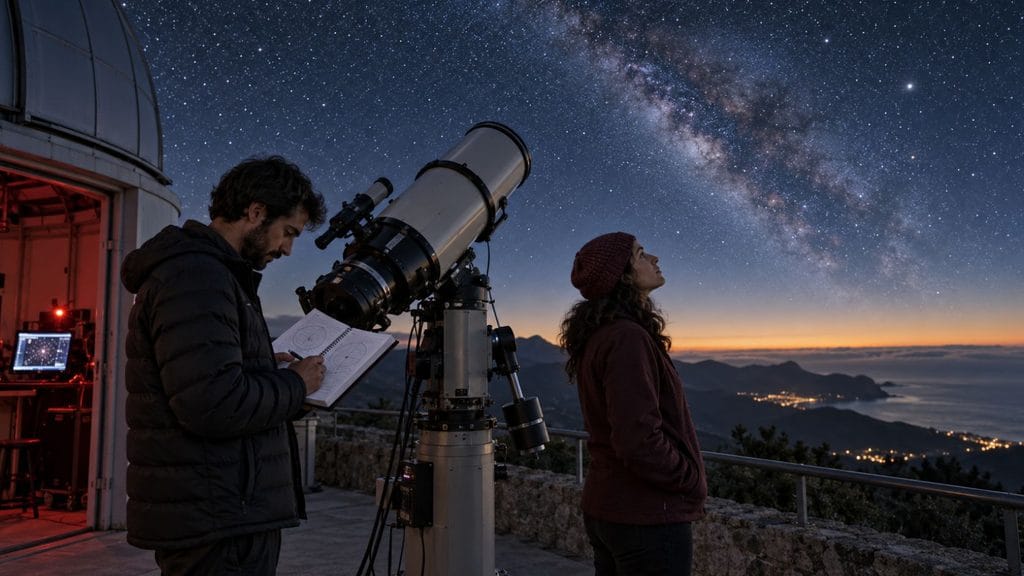
I once heard someone tell me while I was praying for people on the street, “There are thousands of religions. How can you tell yours is the correct one? I mean, aren’t they all basically the same?”
Those are not always easy questions to answer, especially when someone already looks at God, religion, and the world through a completely different perspective.
Paul writes:
“For God’s wrath is revealed from heaven against all godlessness and unrighteousness of people who by their unrighteousness suppress the truth, since what can be known about God is evident among them, because God has shown it to them.”
—Romans 1:18–19, CSB
According to Paul, the problem is not that God has revealed absolutely nothing. Sin also affects the way we think and respond to what God has made known. We can misunderstand, ignore, distort, or even suppress the truth.
And sometimes the truth is simply uncomfortable. As Jack Nicholson, playing Colonel Nathan Jessup, famously says, “You can’t handle the truth.”
I mean, learning the truth about ourselves can be harsh. We need to recognize that we are sinners, that we have turned away from God, and that we need Him.
There can also be a cost to accepting the truth about God. Following Jesus may mean admitting that we were wrong and allowing Him to change parts of our lives that we would rather keep.
So, general revelation does not mean that everyone will look at creation and automatically reach the same conclusion. God has made something of Himself known. But fallen human beings do not always understand or respond to that revelation correctly.
Last Thoughts
Before you go, I want you to think about a few questions:
When you look at creation, what does it make you think about God? Have you ever realized that you believed in some Creator before you really understood who God is?
And most importantly, are you allowing God to reveal Himself to you as He truly is, or are you still holding onto your own picture of Him?
I’d love to hear your thoughts. Leave your answers in the comment section below.