What Does It Mean That God Is Eternal? A Simple Guide
Where did God come from?
This was one of the first questions I spent hours thinking about and discussing with my friends. Even now, this doctrine can make my head spin round and round without reaching a complete answer.
We were born, so our earthly lives had a beginning and will someday come to an end. This broken world will not remain this way forever either. God will make all things new, and the saints will live with Him eternally.
Everything around us was created. The stars, planets, Earth, the universe, and all living things had a beginning. They also undergo change, decay, and death.
But God is different:
“Before the mountains were born, before you gave birth to the earth and the world, from eternity to eternity, you are God.”
—Psalm 90:2 (CSB)
God existed before all creation. He is not bound by time as we are; He is the Creator of time. There was never a moment when God did not exist.
Honestly, I have come to accept that there is still mystery here. Hopefully, when I am with Jesus, He will have the patience to explain it to me.
In this guide, we’ll explore what it means that God is eternal, whether anyone created Him, how He relates to time, and why His eternity should change the way we think about our own limited days.
Key Takeaways
- God never had a beginning and will never have an end. He is the uncreated Creator who depends on nobody and nothing to exist.
- God is not simply billions of years old. He created time and is not limited by yesterday, today, and tomorrow as we are.
- The eternal Son entered human history and became truly human without ever ceasing to be God.
- Our earthly lives are short, but God remains through every generation. Knowing this should help us value our days, follow Christ, and pass our faith to others.
“In the Beginning,” God Was Already There
“In the beginning God created the heavens and the earth.”
—Genesis 1:1 (CSB)
“…in the hope of eternal life that God, who cannot lie, promised before time began.”
—Titus 1:2 (CSB)
God did not have a beginning. He has always existed; He is not a created being.
This reminds me of an advertisement that aired on television many years ago. It showed creation from someone’s point of view. It began with a small being living inside a larger one, and then that larger being lived inside an even more gigantic one.
I guess that is where our thinking would lead if everything, including God, needed a creator. The chain would never end.
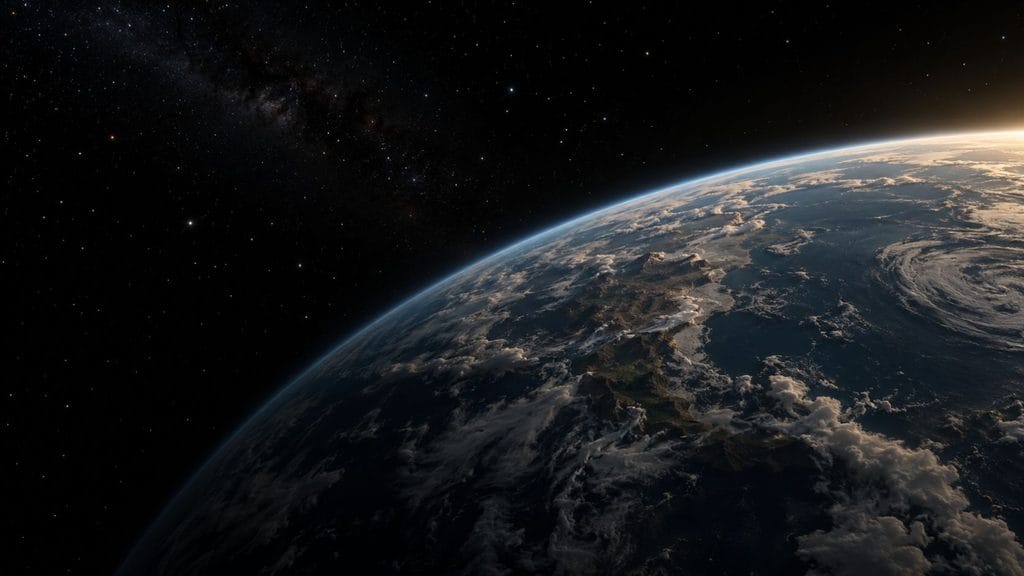
But God is the Creator of everything, and He Himself was never created. He already existed when time began because He is the Creator of time.
The Father, Son, and Holy Spirit have eternally existed in perfect communion, love, and glory. God is complete in Himself and self-sufficient.
Unlike us, He does not need oxygen, water, food, or anything else to sustain His existence. He does not depend on space or time to exist.
Because of this, we cannot simply tell someone, “Look, God has existed for a very long time.” I know it may sound tempting, but once more, God is the Creator of time.
We cannot measure God’s existence according to our own experience of time.
So Who Created God?
As I illustrated with that advertisement, if God were created, then who created God? And who created the one who created God? We would end up with an infinite mess that never really answers the question.
The doctrine of aseity, or self-existence, comes from the Latin term a se, meaning “from Himself.” This does not mean that God created Himself.
It means that God is self-sufficient and does not receive His existence from anyone or anything else.
Everything created has a beginning and depends on something beyond itself. For instance, we can look at a tree.
It may be a hundred years old, but it occupies space, is made of matter, and depends on water, sunlight, and other things to remain alive. Sooner or later, it will also die.
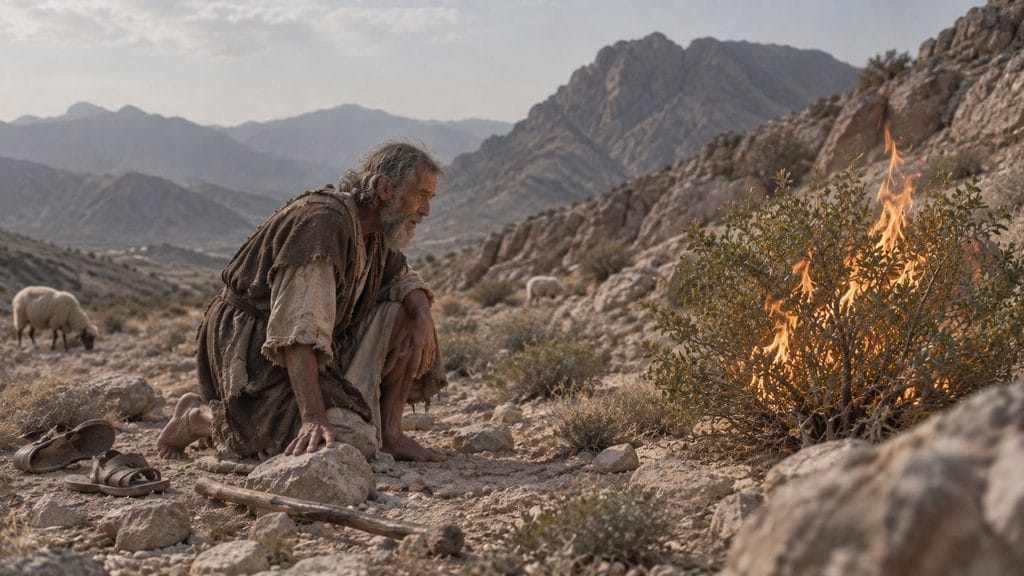
“God replied to Moses, ‘I AM WHO I AM.’ This is what you are to say to the Israelites: ‘I AM has sent me to you.”
—Exodus 3:14 (CSB)
Christians have long understood God’s words “I AM WHO I AM” as revealing, among other things, His self-existence. He does not depend on anyone or anything else to exist. God simply is.
So, who created God? Nobody. If someone had created Him, then He would not be the eternal and ultimate Creator we call God.
Does God Experience Time the Way We Do?
We experience yesterday, today, and tomorrow. We can remember a few details from last Christmas. Maybe our Aunt Jackson came by and, by mistake, poured a glass of red wine over the cake. But we cannot return to that moment. We live in the present and must wait for tomorrow.
God is different. He is not limited by time as we are. Christian theology often describes this as an “eternal now.” The past, present, and future are all immediately present to Him.
In this eternal now, God does not age or move from one moment to the next as we do.
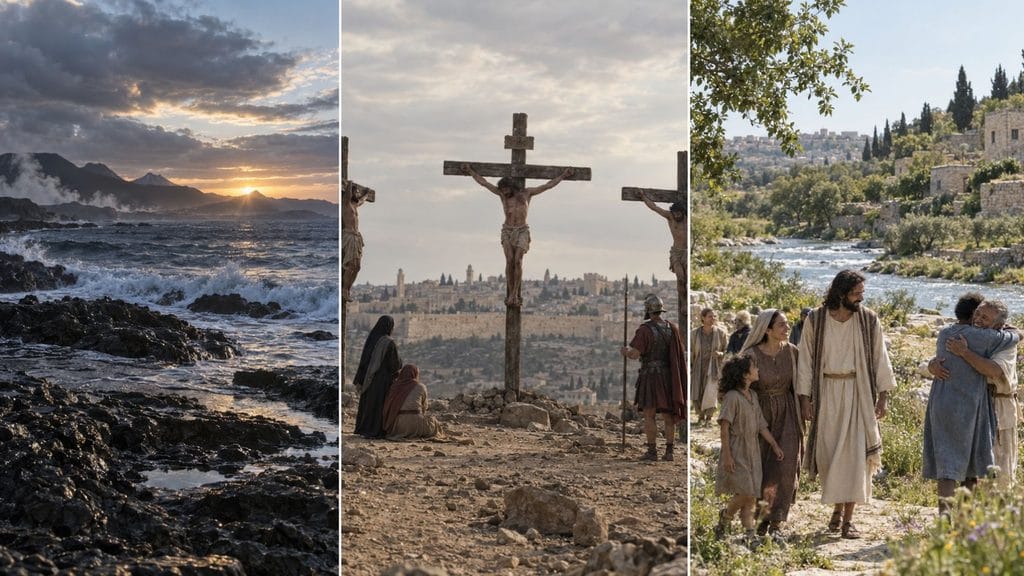
For us, creation, the Crucifixion, and the end of history happen at different moments. But every moment of history is immediately present to God.
That does not mean God is sitting on His throne in Heaven doing nothing.
Instead, God acts within created time and at real moments in history to bring His plans to fruition.
“He was foreknown before the foundation of the world but was revealed in these last times for you.”
—1 Peter 1:20 (CSB)
In this verse, we can see that Christ’s saving work was not some emergency plan God invented after humanity sinned. It belonged to His plan before the foundation of the world.
This also helps us understand why Israel had prophets foretelling the coming of the Messiah. Through the prophets and ultimately through Jesus Christ, God gradually revealed His plan of salvation to humanity.
The Eternal Son Entered Human History
1 “In the beginning was the Word, and the Word was with God, and the Word was God.”
14 “The Word became flesh and dwelt among us. We observed his glory, the glory as the one and only Son from the Father, full of grace and truth.”
—John 1:1, 14 (CSB)
People who know that God is eternal may become confused when they read the New Testament. They may think, “Well, Jesus grew older. He became hungry, thirsty, and tired. Was He still eternal?”
Well, yes.
Jesus, the eternal Son of God, is fully God and fully man. He is one Person with two complete natures: divine and human.
His divine nature has always existed. The Son has always lived in perfect communion, love, and glory with the Father and the Holy Spirit.
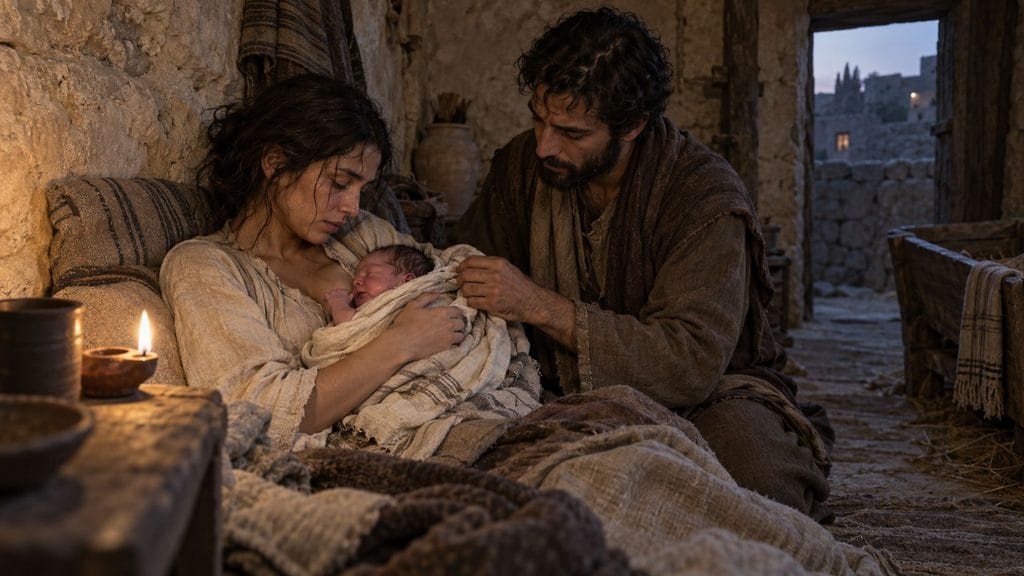
Eternal Son of God Became Man
But then the eternal Son became flesh. He was conceived in the womb of the Virgin Mary, born, and lived a real human life.
According to His human nature, Jesus grew, became hungry and tired, suffered, and eventually died. He experienced the limitations of human life, but He remained completely without sin.
This does not mean that Jesus left His divinity behind or temporarily stopped being God. No, He remained fully God while living as a human being.
On the third day, Jesus rose from the dead with a glorified body. He is no longer subject to aging, suffering, decay, or death.
Adam and Eve were created to live in communion with God, not for sin and death. But Christ’s Resurrection gives us an even greater hope: that we too will one day rise with glorified bodies.
So yes, Jesus was still eternal. He became human, but He never stopped being God.
Psalm 90 Places God’s Eternity Beside Our Short Lives
“Lord, you have been our refuge in every generation.”
—Psalm 90:1 (CSB)
Rather than quoting the entire Psalm here, I recommend reading Psalm 90 on Bible Gateway.
After reading this Psalm and knowing that God is eternal, what does that say about us? How are we supposed to live our Christian lives?
God Remains While Generations Pass
Recently, I was listening to Father Mike’s Bible in a Year. It’s fabulous; I recommend it even if you’re not Catholic. He provides some amazing insights.
He was reading the passage where Joshua and the elders of his generation die. After them, another generation rises that does not know the Lord or what He had done for Israel.
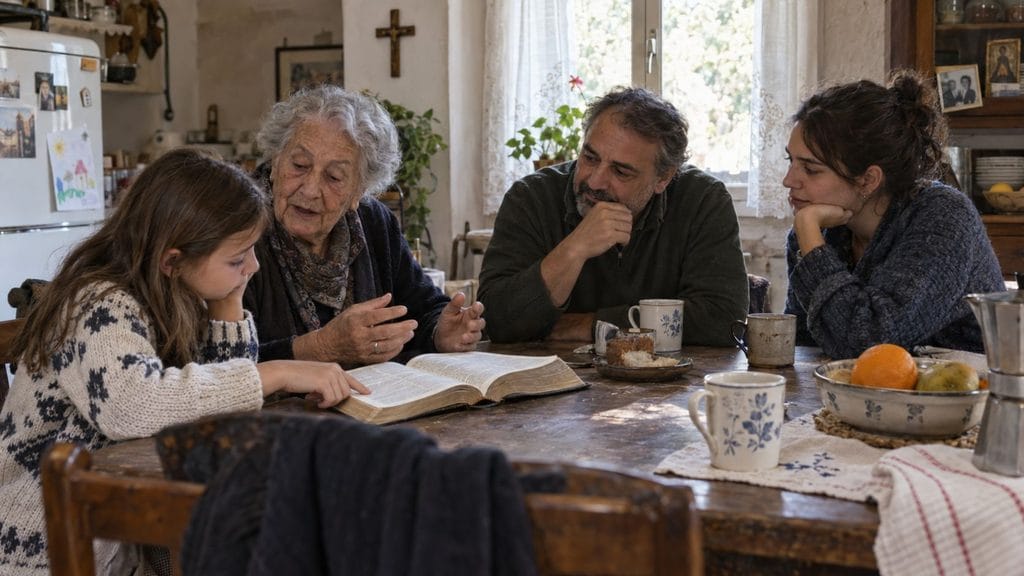
Soon after, the Israelites become corrupted and start worshipping Baal and other foreign gods.
Whether this happened because people failed to teach, listen, or remain faithful, the result was the same: a new generation did not know the God of Israel.
Psalm 90 later says:
“Let your work be seen by your servants, and your splendor by their children.”
—Psalm 90:16 (CSB)
We Christians, whether we are parents or not, must help pass the Christian faith on to the next generation. We should teach them who God is, what He has done, and why His commandments matter.
Otherwise, we risk repeating the same pattern that we see in Israel.
Humans Return to Dust
“You return mankind to the dust, saying, ‘Return, descendants of Adam.’”
—Psalm 90:3 (CSB)
Both people who follow God and those who reject Him have something in common: we will all die someday and face our Maker.
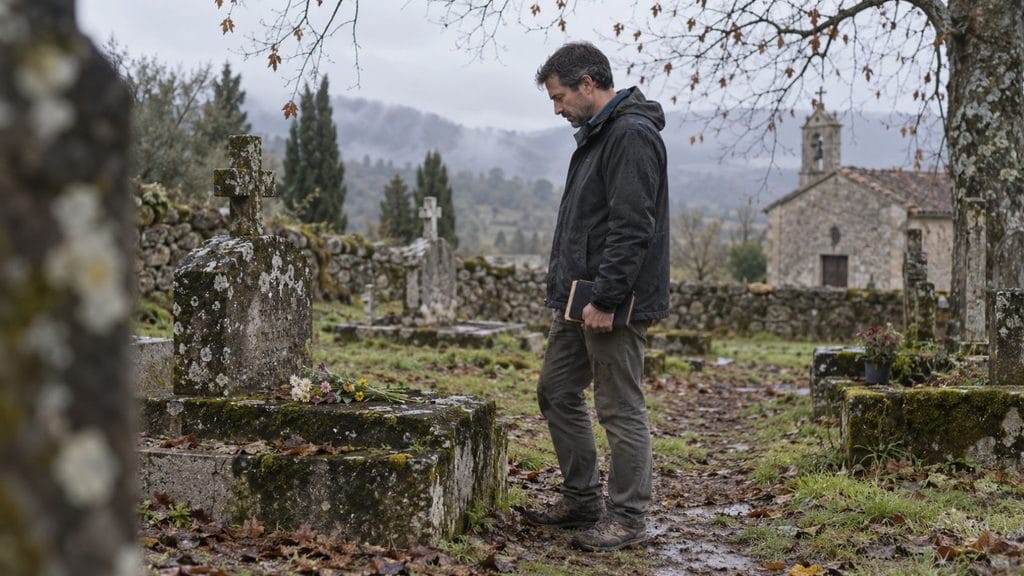
I think people often forget about this. Sometimes, it seems as if they live like they are going to remain here forever. I even see this among some people who claim to be Christians.
Our earthly lives are limited. Knowing this, we should remember:
“The fear of the Lord is the beginning of wisdom, and the knowledge of the Holy One is understanding.”
—Proverbs 9:10 (CSB)
Our lives are short, so we should use them to follow Christ, knowing that His way will produce good fruit and works in us.
Teach Us to Number Our Days
“Teach us to number our days carefully so that we may develop wisdom in our hearts.”
—Psalm 90:12 (CSB)
In this Psalm, Moses uses the expression “number our days.” Now, this does not mean we should ask God, “How many days do I have left?” and He replies, “1,001 days.”
Gosh, I’d rather not know that.
Instead, it means that we should value each day and not take our time here for granted. We should align our lives with Christ and the hope of eternal life with Him.

That means we should avoid making selfish or worthless pursuits the center of our lives. I’m not saying it’s wrong to have a good house, car, or whatnot.
But it is wrong when those things become more important than God or when we cheat, lie, or steal to have them.
We can have those things and still live a life that pleases God. The problem begins when temporary things become more important than the eternal God.
Last Thoughts: God Remains While Our Days Pass
We do not need to understand every detail about God’s eternity before we can trust Him. God remains while our days pass, and the eternal God is not distant from us. He entered human history and continues to act in our lives.
Perhaps the biggest question is not only, “How has God always existed?” but also, “What am I doing with the limited time He has given me?”
Does God’s eternity bring you comfort, or does it make your head spin too? Leave your thoughts and questions in the comment section below.