What Does It Mean That Jesus Is Fully God and Fully Man?
A few months ago, a friend of mine told me about an argument he had with one of his church pastors after my friend said, “Mary is the mother of God.” This pastor said, “No, she is not. She is the mother of Jesus. That sounds too Catholic.”
He spoke as if Mary had given birth to Jesus but not to God—as though Jesus only became God sometime later, perhaps after His resurrection.
That is one reason I study theology: so I am not easily misled by wrong teachings.
The fact is, Jesus is the eternal Son of God, born through the Virgin Mary as man. He did not begin to exist in Mary’s womb, nor did He become God after His resurrection.
He has always been God. So, yeah, she is the mother of God—not because she created His divine nature, but because the Person she gave birth to is truly God. But, of course, we are going into more detail.
Jesus, on one hand, performed miracles like healing the sick and multiplying bread and fish to feed a crowd of 5,000 people. He knew the hearts of those around Him, forgave sins, and even commanded creation.
But at the same time, He experienced the limitations of a real human life. He had to rest and sleep. He became hungry, thirsty, and tired. He wept, suffered, and did all the ordinary things human beings do.
So, how can all these things be true of the same Person? In this guide, we will explore what it really means to say that Jesus is fully God and fully man.
Key Takeaways
- Jesus has always been God. He did not begin to exist in Mary’s womb or become divine after His resurrection. Mary is called the mother of God because the Person she gave birth to is truly God—not because she created His divine nature.
- Jesus was also fully human. He experienced hunger, exhaustion, temptation, emotions, suffering, and death, yet He lived without sin.
- Jesus is one Person with two distinct natures. He is not 50% God and 50% human, nor does He switch between a “God mode” and a “human mode.”
- Both natures are necessary for our salvation. As man, Jesus could stand in humanity’s place, suffer, and die. As the eternal Son of God, He could overcome sin and death and reconcile us with God.
The Bible Will Not Let Us Make Jesus Less Than God
The New Testament is constantly telling us that Jesus is fully man and fully God. He is not simply another prophet who performed crazy miracles, nor was He a man whom God later promoted to divine status after His death. We can see this in passages such as these:
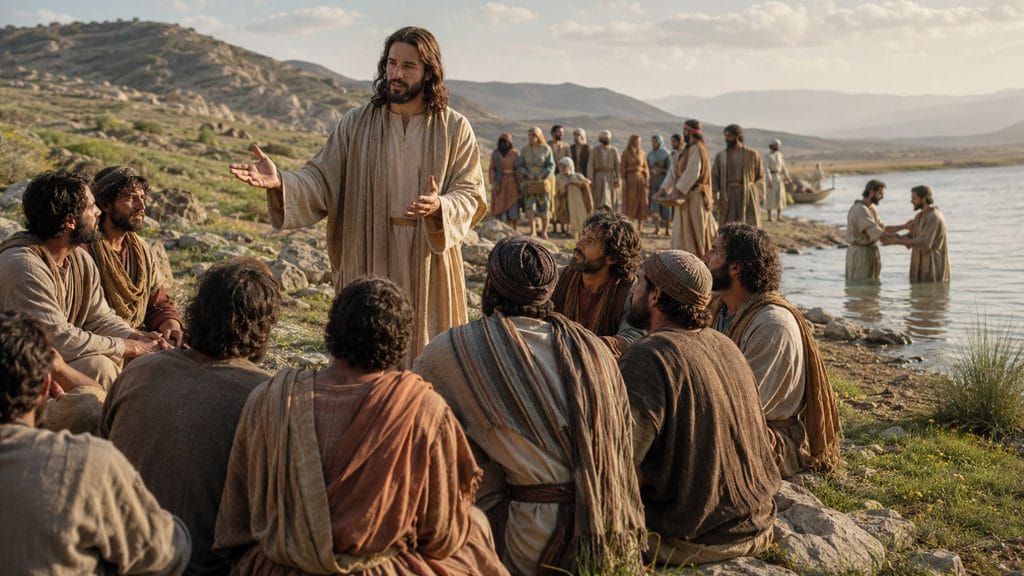
Go, therefore, and make disciples of all nations, baptizing them in the name of the Father and of the Son and of the Holy Spirit, teaching them to observe everything I have commanded you. And remember, I am with you always, to the end of the age.
Jesus tells His disciples to make new disciples of all nations and baptize them in the name of the Father, the Son, and the Holy Spirit. By placing the Son alongside the Father and the Holy Spirit, Jesus is showing His divine identity.—Matthew 28:19–20 CSB
He also promises that He will always be with His disciples. They would be spread across different nations and generations, yet Jesus could be present with all of them. In other words, Jesus is omnipresent.
Thomas responded to him, “My Lord and my God!” —John 20:28 CSB
Thomas directly refers to Jesus as his Lord and God.
In Colossians 1:15–20, Paul says that Christ is the Creator. Everything visible and invisible, physical and spiritual, was created by Him and for Him. Jesus is also the One who holds all creation together, keeping the universe from collapsing.
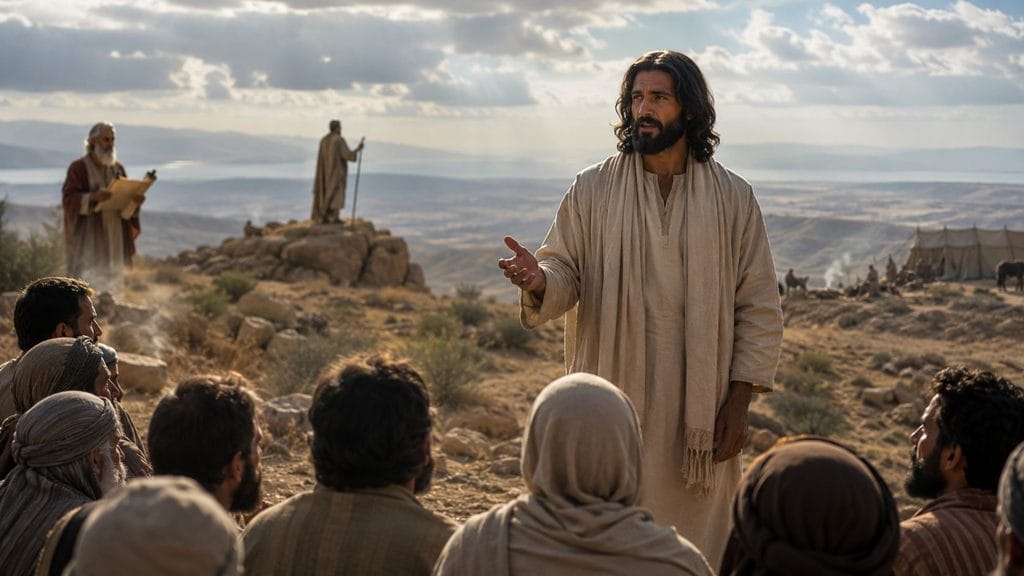
Long ago God spoke to our ancestors by the prophets at different times and in different ways. In these last days, he has spoken to us by his Son. God has appointed him heir of all things and made the universe through him. —Hebrews 1:1–2 CSB
In these verses, we can see that Jesus is not simply another prophet. God spoke through the prophets, but He now speaks to us through His Son. Jesus is the eternal Son of God, through whom the universe was made.
One of the main truths the New Testament wants us to understand is that Jesus has a truly divine nature. The Bible will not let us make Him less than God.
But Jesus Wasn’t God Pretending to Be Human
Now that we know He was fully God, was He fully human too? Or was He just God wearing a human body as a costume?
We can see His human nature in several verses. For one, we know that He was born of the Virgin Mary in Bethlehem. I sometimes wonder what Mary and Joseph thought as they held God in their arms. It’s a strange thought.
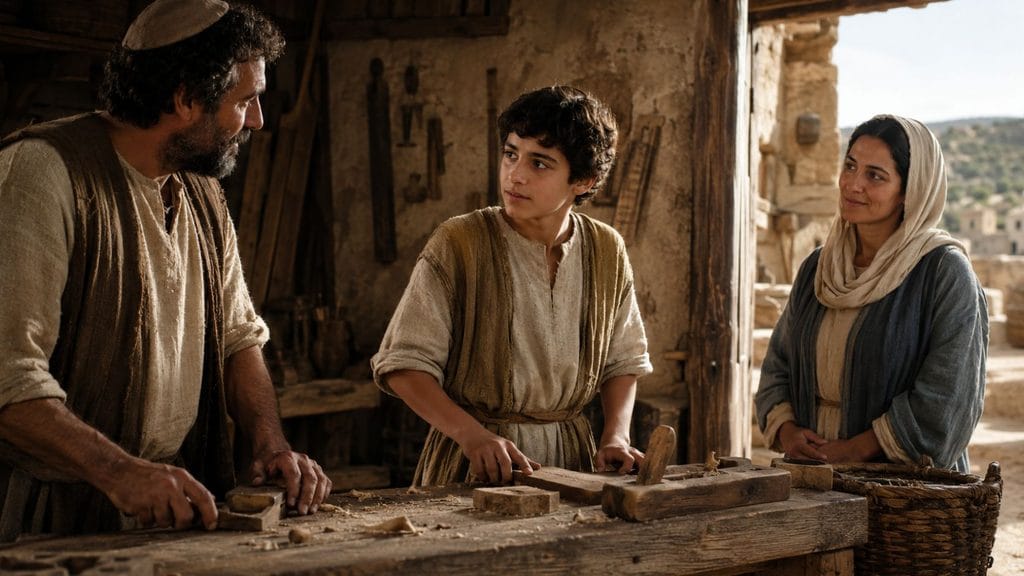
And Jesus increased in wisdom and stature, and in favor with God and with people. —Luke 2:52 CSB
Jesus never stopped being God or lost His divine knowledge. But according to His human nature, He possessed a real human mind and body that developed as He grew.
I mean, when we were born, we did not know how to speak, walk, or read. According to His human nature, neither did Jesus. He genuinely had to grow and learn as a normal child.
For forty days to be tempted by the devil. He ate nothing during those days, and when they were over, he was hungry. —Luke 4:2 CSB
When Jesus was in the wilderness for forty days, He ate nothing. The important detail here is that He became hungry. This shows that He possessed the same real human need for food that we do.
For forty days to be tempted by the devil. He ate nothing during those days, and when they were over, he was hungry. —Luke 4:2 CSB
John 4:6 CSB: Jacob’s well was there, and Jesus, worn out from his journey, sat down at the well. It was about noon.
In this verse, Jesus was tired and had to sit down and rest like a normal human being.
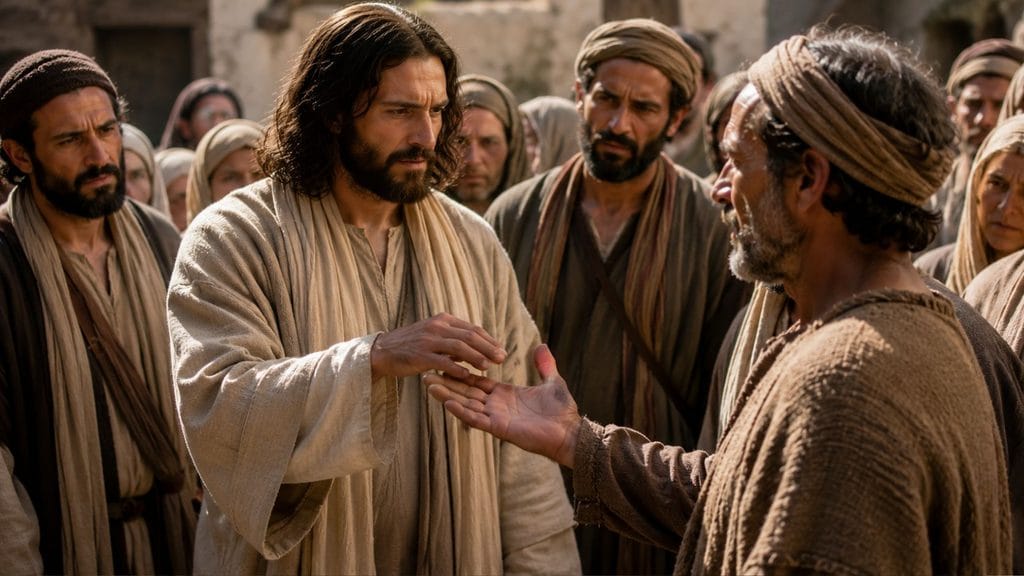
After looking around at them with anger, he was grieved at the hardness of their hearts and told the man, “Stretch out your hand.” So he stretched it out, and his hand was restored. —Mark 3:5 CSB
We can see that Jesus also experienced real human emotions, including anger and grief.
Then Jesus was led up by the Spirit into the wilderness to be tempted by the devil. —Matthew 4:1 CSB
I like this verse because some people assume Jesus had a free card and never experienced temptation. But He did, just as we do—yet He never sinned.
Temptation itself is not a sin. Sin begins when we willingly accept and follow a sinful desire, even if it never becomes an outward action. Being sinless did not make Jesus less human. Sin is not what makes us human.
Lastly, Jesus was tortured, suffered immensely, and died on the cross at Calvary. On the third day, He rose again, conquering sin and death.
I shared these verses to show that Jesus experienced the realities of human life. He was truly and fully man while remaining fully God—one Person with two natures.
Jesus Is Not 50% God and 50% Human
At this point, we know that Jesus is fully God and fully man. But what does it mean for Him to have two natures in one Person? We can read this passage in Colossians:
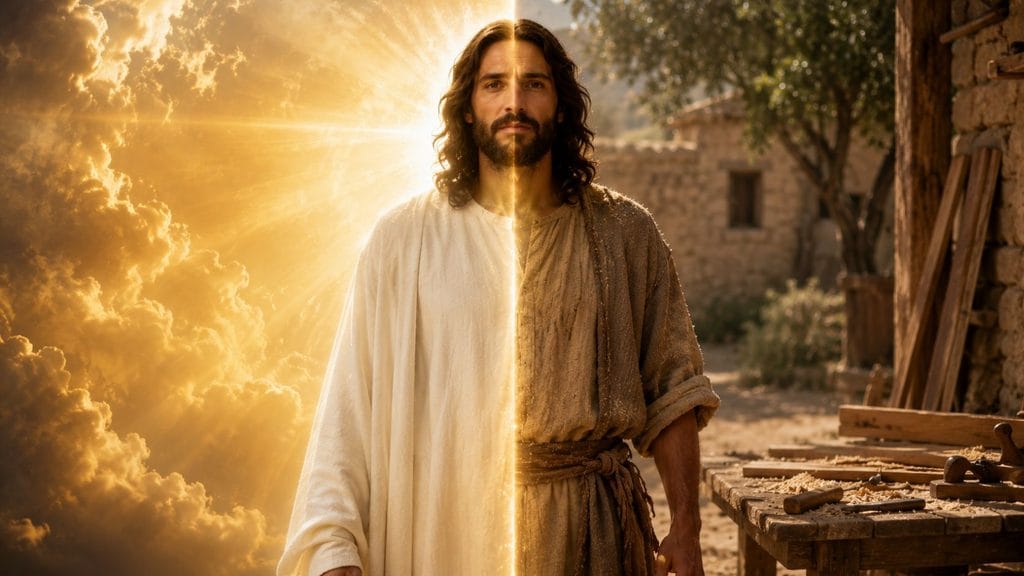
“For the entire fullness of God’s nature dwells bodily in Christ.” —Colossians 2:9 CSB
God’s full nature dwells bodily in Christ. So, Jesus is not half man and half God, sometimes acting as one and then as the other. He is one Person who is always fully God and fully human.
The Council of Chalcedon was the fourth ecumenical council, held in AD 451. It clarified this teaching, affirming that Jesus has two distinct natures (divine and human) united in one Person without being mixed, changed, divided, or separated.
The theological term for this is the hypostatic union. The word hypostatic comes from the Greek word hypostasis, which refers to a person.
Why Didn’t Jesus Stop Being God When He Became Human?
I love this question because it helps us see the love of God for all humanity more clearly.
Adopt the same attitude as that of Christ Jesus, who, existing in the form of God, did not consider equality with God as something to be exploited. Instead he emptied himself by assuming the form of a servant, taking on the likeness of humanity.
And when he had come as a man, he humbled himself by becoming obedient to the point of death—even to death on a cross. —Philippians 2:5–8 CSB
Jesus, the eternal Son of God, has always lived in perfect communion with the Father and the Holy Spirit and shared the glory of heaven. He did not need to come down from all that glory and enter this chaotic world.
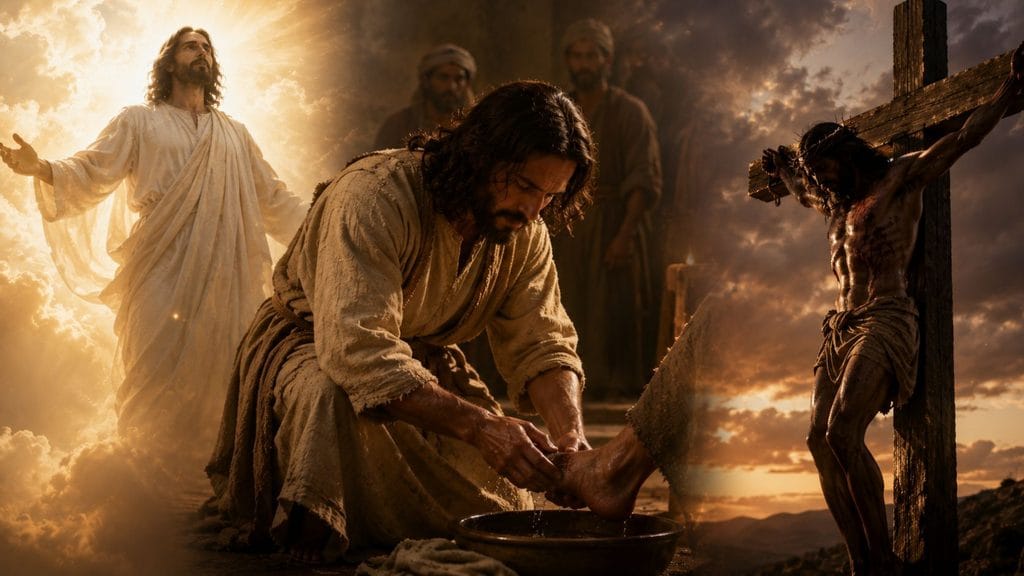
Often, people read “He emptied Himself” and think, “Ha… so Jesus emptied Himself of His divine nature!” But no.
Paul tells us what this means: He emptied Himself by assuming the form of a servant and becoming human. He took on a human nature without giving up His divine nature, humbling Himself and becoming a servant to all humanity.
For God loved the world in this way. He gave his one and only Son, so that everyone who believes in him will not perish but have eternal life. —John 3:16 CSB
He did that out of love so that, through Him, we could be forgiven and reconciled with the Father. His incarnation did not make Him less divine or cause Him to surrender His divinity.
Because Jesus was fully human, He could suffer, shed His blood, and die. But the Person who died was not just another Joe.
No, no, He was the eternal Son of God. That is why, through His death and resurrection, we can be forgiven and reconciled with God.
Jesus did not stop being God when He became human. He remained fully God while also becoming fully man.
Why Does Jesus Need to Be Truly Human?
For a long time as a Christian, I wondered why Jesus needed to become human and die such an extremely brutal death. I mean, God is God; He can do whatever He wants.
But still, God only acts in ways that belong to His character. God is just and loving, and He cannot go against His own nature. Now, knowing that, we can see more easily why Jesus is the only way to salvation.
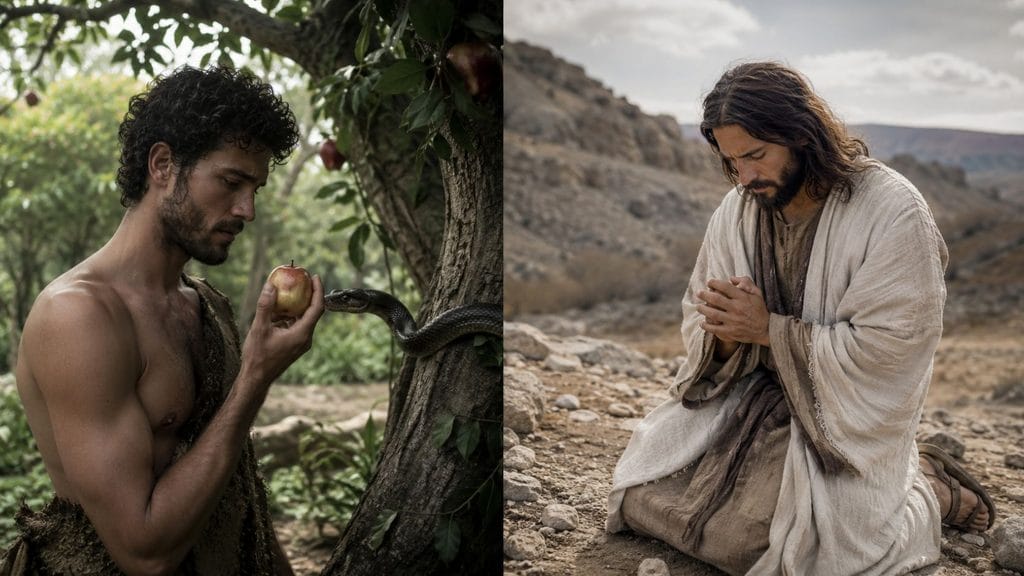
Jesus Is the Second Adam
Jesus serves as our representative and substitute. Christians often call Him the Second Adam, although Paul specifically calls Him “the last Adam” and “the second man” in 1 Corinthians 15:45–47.
The first Adam was created innocent and without sin, yet he still chose to disobey God. Jesus, instead, lived a sinless life in complete obedience to the Father.
In a way, He lived as human beings were always supposed to live. Adam’s disobedience brought sin and death, while the obedience of Jesus brings righteousness and life.
God Is Just
God is perfectly just, so He could not simply ignore what humanity had caused through sin. A real human needed to represent us and stand in our place.
So, Jesus stood in humanity’s place and carried our sins to the cross.
Jesus Needed to Be Human, So He Could Die
The people of Israel sacrificed animals without blemish to make atonement. These sacrifices brought forgiveness, but they had to be repeated and could not remove sin once and for all.
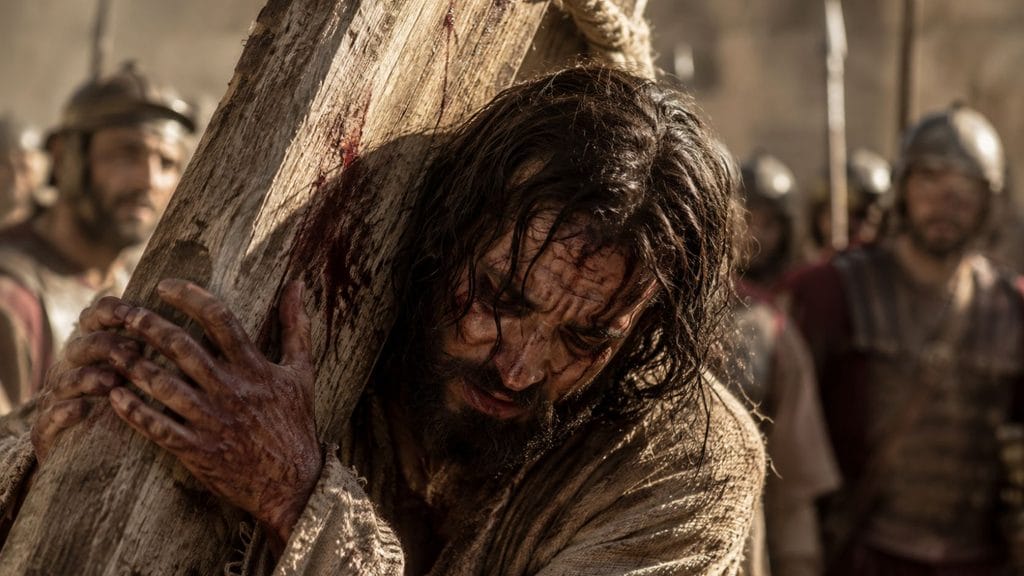
So, Jesus needed a human nature so that He could truly suffer, shed His blood, and die. I mean, as you can imagine, His divine nature cannot die. But because God the Son became fully human, He could truly die according to His humanity.
So, yeah, the Person who died on the cross was God the Son. Through His death and the shedding of His blood, we can receive forgiveness and be reconciled with God. Sin separates us from God, so we need forgiveness to come closer to Him.
Human Weakness
God did not cheat or take a shortcut. God the Son became flesh, stepped into the shoes of humanity, and experienced suffering, love, rejection, hunger, temptation, and other parts of human life.
Still, He remained obedient through all of it. He overcame temptation without committing sin and conquered sin and death through His death and resurrection.
Why Does It Matter That Jesus Is Truly God?
It matters because humanity cannot save itself. For instance, we can read the stories of Abraham, Noah, King David, Solomon, and others. Even though they did impressive things, all of them, in one way or another, fell into sin. And the same is true for all of us.
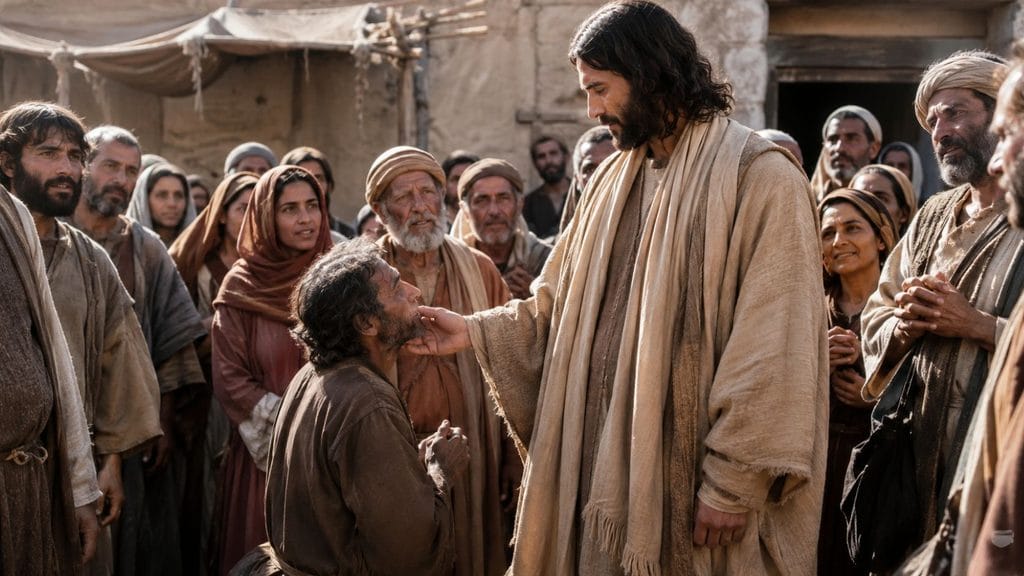
Jesus is not another human being who needs salvation. Instead, He is the Savior. Only God can ultimately forgive sins. Jesus lived in this world without sin and overcame it. He was the Lamb of God who brought salvation to humanity.
But the divinity of Jesus also matters in other ways:
- Christ reveals the Father. He is the image of the invisible God who came to live among us as a human being. Passages such as John 14:8–9, John 1:18, and Colossians 1:15 reveal this truth.
- Only God has the ultimate authority to forgive sins and rule over death and creation.
- Christians rightly worship Jesus because He is divine.
Only God could open the way to our salvation. Fallen human beings cannot save themselves, conquer death, or forgive sins against God by their own power. But Jesus did what none of us could do.
Jesus Understands More Than We Sometimes Remember
I admit, I still have not watched the movie The Passion of the Christ. It is on my watchlist for sure. But the reason I have not watched it is that I know Jesus suffered a horrible death. Watching that movie will be really hard for me.
It is difficult to imagine enduring so much suffering.
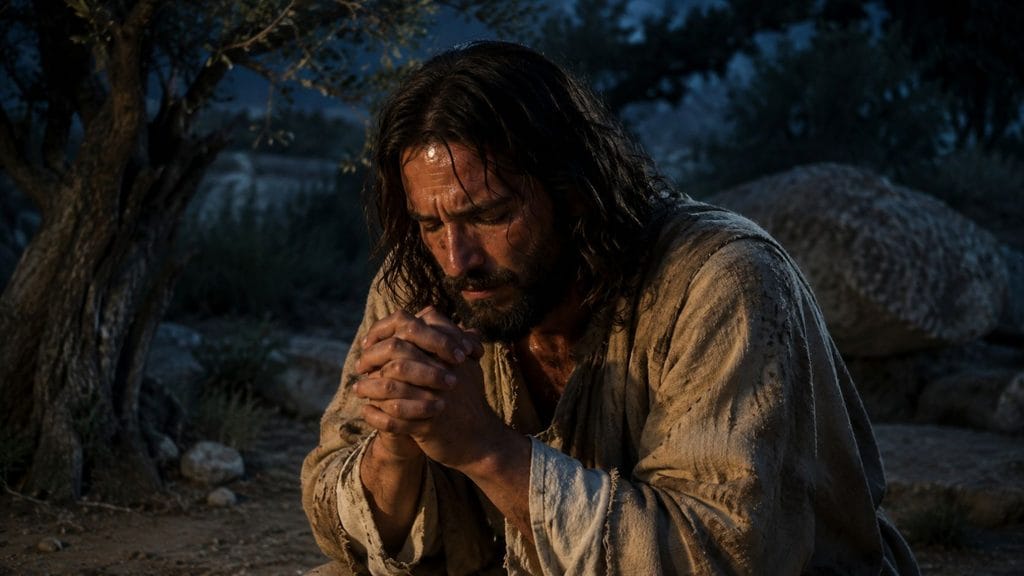
That being said, Jesus knows us profoundly. He is not just a God who is upstairs, looking down on us and passing judgment without knowing what life in this world is like.
No. Instead, He lived among us. He entered our world and got His hands dirty to save us.
- He went through hunger and exhaustion.
- He was betrayed by Judas.
- He was tempted by Satan.
- He was rejected by some of His own people and abandoned by His disciples.
- He also experienced the goodness of friendship with Peter and the other disciples.
For we do not have a high priest who is unable to sympathize with our weaknesses, but one who has been tempted in every way as we are, yet without sin. —Hebrews 4:15 CSB
So, when you think, “Jesus does not understand my suffering. He does not know what I am going through,” remember that He does understand. He experienced human weakness and suffering firsthand.
That’s why Jesus is not just a distant doctrine or philosophy for us to study. He is God who became flesh, experienced the difficulties of human life, and gave us the way to salvation.
Last Thoughts
So, what do you think about Jesus after learning all of this? Do you still see Him as simply another teacher? Or do you recognize Him as the eternal Son of God?
Also, the next time you are suffering and think Jesus does not understand, remember that He lived in the same chaotic world that we live in.
Honestly, the Incarnation is not easy to understand. I had a difficult time writing some parts of this guide myself. There is still mystery involved.
But we can know this much: God did not stay far away from us. He became flesh, lived among us, and gave us the way to be forgiven and reconciled with Him.