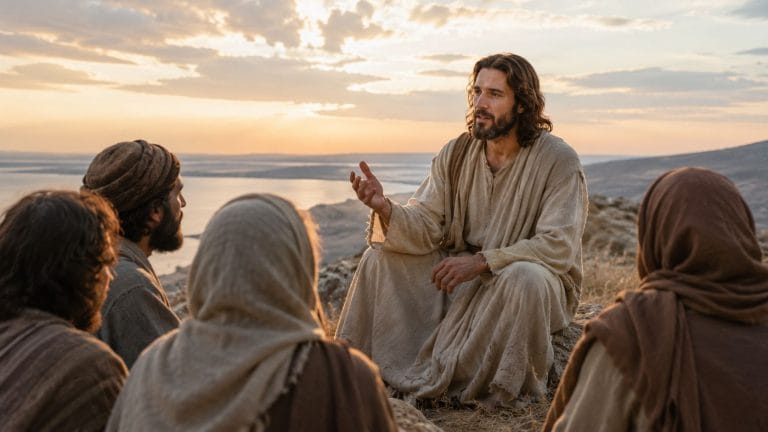

What Does It Mean to Fear God? Explained Simply
What does it mean to fear God? Does the Bible really mean we should be terrified of Him and crawl under our bed to hide?
Proverbs tells us:
“The fear of the Lord is the beginning of wisdom, and the knowledge of the Holy One is understanding.”
—Proverbs 9:10, CSB
I remember the first time I read this passage and others with a similar flavor.
Initially, I did not understand it.
I thought, “Now I’m supposed to be afraid of God?” But how does being afraid make us wiser or more knowledgeable?
Over time, I realized I had the wrong notion of fear.
The more I learned about Jesus and what He did for us, the more my perspective changed. God the Son became man, experienced suffering, and died a brutal death while being completely innocent.
He gave Himself so that through Him we could be reconciled with our Heavenly Father and return to communion with God.
As I slowly began understanding this, it was not terror that grew inside me.
It was reverence, awe, and love for His holiness and everything God has done for us.
That kind of fear changes how I live. Sometimes I stop and ask myself, “How can I give in to this temptation when God loves me this much?”
That thought stops me from doing foolish things. In other words, the fear of God makes me wiser.
In this guide, we’ll look at what the fear of God actually means, why Scripture connects it with wisdom, and why knowing God more deeply should increase our reverence rather than make us run away from Him.
Key Takeaways
- Fearing God does not mean living terrified of Him. Biblical fear is about reverence, awe, and taking God seriously for who He truly is.
- The more we know God, the more our fear should grow alongside love. His mercy, holiness, justice, and goodness give us even more reason to respect Him.
- The fear of God changes whose opinion matters most. We stop living mainly for people’s approval and start caring more about what God thinks about the way we live.
- The fear of the Lord makes us wiser. We stop acting as though our own judgment is the highest authority and learn to trust God’s wisdom above our own.
The Bible Tells Us to Fear God and Not Be Afraid of Him
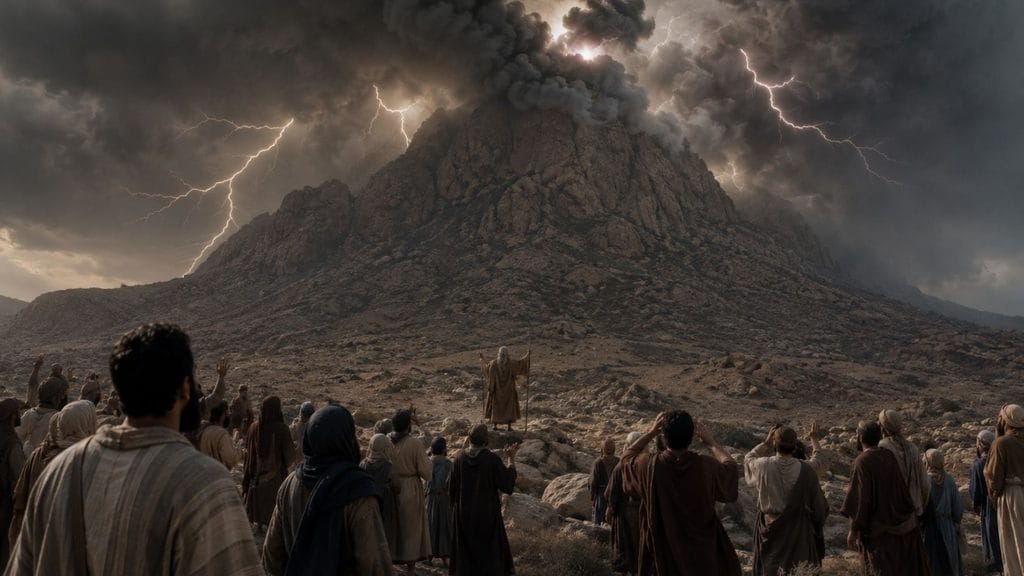
“All the people witnessed the thunder and lightning, the sound of the ram’s horn, and the mountain surrounded by smoke. When the people saw it, they trembled and stood at a distance. ‘You speak to us, and we will listen,’ they said to Moses, ‘but don’t let God speak to us, or we will die.’
Moses responded to the people, ‘Don’t be afraid, for God has come to test you, so that you will fear him and will not sin.’”
—Exodus 20:18–20, CSB
In these verses, God is giving the people of Israel near Mount Sinai quite a lightning and thunder show.
I cannot blame them for being scared. I think most of us would be.
But at the same time, God is demonstrating His might and power. Israel becomes so terrified that they no longer want God speaking directly to them. They fear that they may die, so they ask Moses to speak to them instead.
Then Moses says something that almost sounds contradictory:
“Don’t be afraid… so that you will fear him.”
But he seems to be distinguishing between two kinds of fear.
They should not be so terrified of God that they want to run away from Him. Instead, they should have a fear of God that produces awe, reverence, and obedience.
God wanted His people to understand who they were standing before.
That kind of fear was meant to remain with them “so that you will fear him and will not sin.”
So already, we can see that the biblical fear of God is something deeper than being scared of.
Knowing God Changed the Way I Understood Fear
Initially, I thought God was punishing me, like He was telling me, “Stop having fun.”
Back then, a friend was helping me take my first baby steps in Christianity. I was seriously mad at him and at God.
With time, I began to understand that the things God was asking me to leave behind—the things I thought I wanted—were not only bad for me. I had actually become a prisoner to some of those habits.
Still, it was not easy.
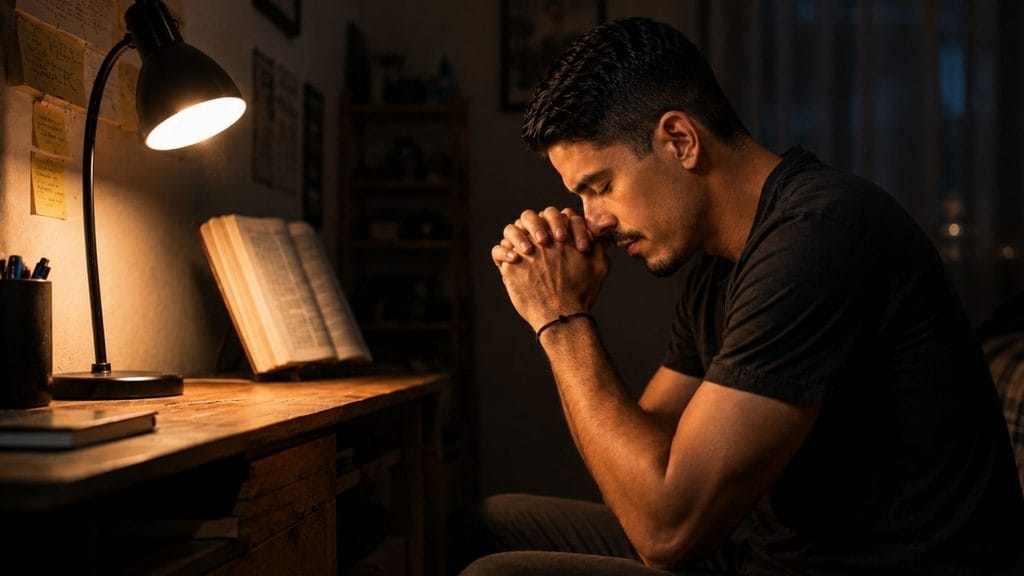
I shamefully promised God several times that I would stop, and then a week or so later, I stumbled again. I repented, but instead of the anger I expected, I experienced more of God’s mercy and grace.
“Lord, if you kept an account of iniquities, Lord, who could stand? But with you there is forgiveness, so that you may be revered.”
—Psalm 130:3-4 CSB
Eventually, I found the strength to overcome those bad habits.
And strangely enough, that experience brought me closer to God.
Not in a way that made me terrified of Him, but in a way that made me love and revere Him more. I could see His goodness and love more clearly.
- I have seen the changes God has made in my life. I have far more inner peace, joy, and compassion than before. Those changes have only strengthened my conviction that Jesus is the way.
- I have countless testimonies of what God has done for friends and family members. I’ve seen Him pour out His grace and love time after time.
- I read Scripture from a different perspective now. The more I come to know Jesus, the more I understand the heart of the Father.
I’ve seen how God has transformed my life and the lives of those around me. I cannot simply go back to my old self.
How could I?
How could I knowingly hurt the One who has given me so much?
I still struggle with temptation. Sometimes I even contemplate giving in. But then I look at everything God has done, and I remember why I follow Him.
I no longer follow God because I am terrified of Him. I follow Him out of love, while still learning to fear Him with reverence and awe.
Love Does Not Make God Less Awesome
Nowadays, I’ve been seeing the expression “love is love” around social media. Sometimes people even connect this idea to God. They think that just because God is loving, everything must be fine.
But Scripture gives us a bigger picture:
“For the Lord is our Judge, the Lord is our Lawgiver, the Lord is our King. He will save us.”
—Isaiah 33:22, CSB
Yes, God is love. At the same time, He is our Creator, Holy, Just King, and Lord.
I think part of the problem is that people sometimes imagine love as never correcting anyone or setting boundaries.
But think about an earthly father.

A father may deeply love his children. Now, I’m pretty sure he won’t be happy if they become drug addicts.
Instead, he sets boundaries and does his best to protect them so they can grow into healthy adults.
In the same way, our Heavenly Father loves us, but His love does not mean He approves of everything we do.
He tells us to come as we are, but we should not stay as we were.
Moses puts fear, love, obedience, and service together:
“And now, Israel, what does the Lord your God ask of you except to fear the Lord your God by walking in all his ways, to love him, and to worship the Lord your God with all your heart and all your soul?”
—Deuteronomy 10:12, CSB
Love and fear do not contradict each other.
God’s love does not make Him less holy or less worthy of reverence. As we walk with Him, we slowly begin to understand that His commands are not there simply to stop us from “having fun.”
They are for our good and often for the good of the people around us too.
Fearing God Changes Who Has the Most Weight in Your Life
At the beginning of my journey, I was so afraid to talk with people about Jesus. Now, I share the gospel whenever I see the opportunity and pray for people on the street.
What changed?
My priorities.
“The fear of mankind is a snare, but the one who trusts in the Lord is protected.”
—Proverbs 29:25, CSB
Back then, I feared more:
Other people’s opinions, criticism, and embarrassment: I thought that if I spoke about Jesus, people would call me religious or something similar. I was not completely wrong.
But looking at the state of the world, who cares? I mean, I see videos on Instagram of someone dressing like a dog and being walked down the street on a leash. Yet somehow we are afraid of looking strange because we follow Jesus.

Being different from everyone around me: We often struggle with being different. We don’t want to make big waves or suffer public criticism, so we try to blend in.
But following God will sometimes mean not blending in. God calls us to be holy and follow His ways, even when they differ from what everyone around us is doing.
In our walk with God, it is almost like a balance slowly tilting more toward His side.
We begin caring less about what people may say about us and more about what God thinks of how we live.
His commands begin carrying more weight than other people’s opinions. And I think that is another way the fear of God changes us.
This Is Why Fear of the Lord Leads to Wisdom
Without God as our highest standard, our moral compass can easily become distorted. I mean, who ultimately decides what is right and wrong? The government, you, or your school teacher?
Often, we start acting foolishly and easily believe foolish things, like that a man can be a woman, or that because someone says they are a dog, everyone else needs to agree.
I’m not trying to mock these people.
My point is: Who decides what is true? Do we simply create our own reality, or is there a higher truth outside ourselves?

The Bible gives us an answer:
“The fear of the Lord is the beginning of wisdom, and the knowledge of the Holy One is understanding.”
—Proverbs 9:10, CSB
When we follow God and His Word, He becomes our moral compass; the One who ultimately defines what is true, good, and evil.
- Wisdom starts by seeing reality through God’s truth. We read the Bible and see that in the beginning God created humanity male and female. We do not need to reinvent what God has already created.
- God defines what is good and evil. There are certainly complicated situations in life, but God still gives us clear moral boundaries. For instance, He teaches us that sex is not something casual. It belongs within marriage and should not be treated lightly.
- We recognize that we are creatures because He created us. We are not our own gods, despite what some New Spirituality teachings may tell us.
We begin to see that God is our fountain of wisdom, and His ways help us live more fruitful lives.
We stop trying to make ourselves the final authority over what is good, true, or right. We stop prioritizing the opinions of others and begin caring more about what God thinks about us and the way we live.
That is why the fear of the Lord makes us wiser.
That is why the fear of the Lord makes us wiser: we recognize that God knows far more than we ever will, so we learn to trust His wisdom above our own.
Ask Yourself: What Does God Actually Mean to Me?
Before we wrap this up, do this short exercise.
You can grab a notebook or open a text editor and reply to each question. This can help you examine yourself and see where you may need to improve.
I suggest being brutally honest with yourself.
I know sometimes facing ourselves isn’t easy. But at the same time, it can be one of the best ways to grow. We bring what is hiding in the darkness into the light, where we can acknowledge it, bring it before God, and continue growing closer to God.
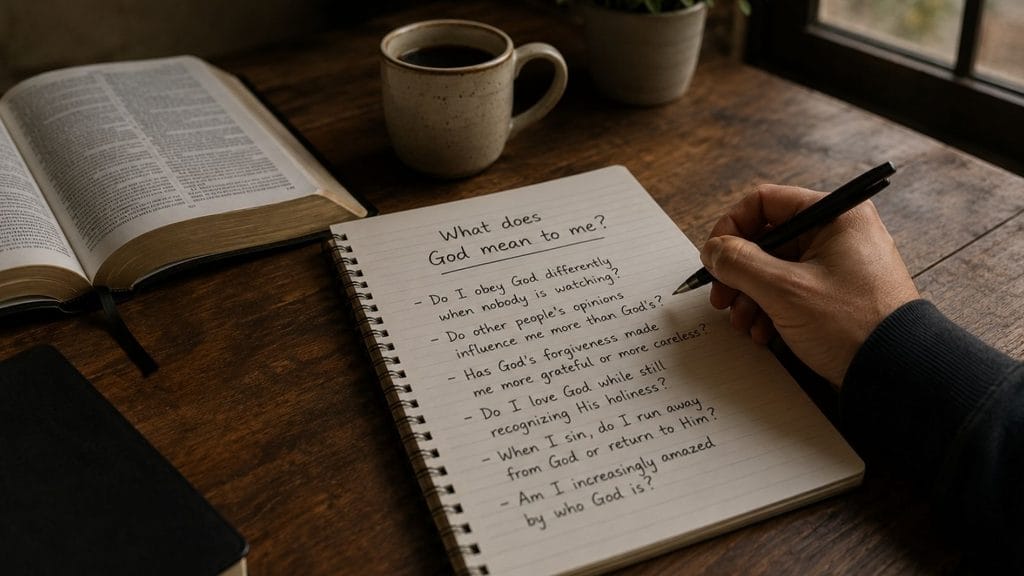
Ask yourself:
- Do I obey God differently when nobody is watching?
- Do other people’s opinions influence me more than God’s?
- Has God’s forgiveness made me more grateful or more careless?
- Do I love God while still recognizing His holiness?
- When I sin, do I run away from God or return to Him?
- Am I increasingly amazed by who God is?
Do not answer these questions based on the Christian you think you should be. Answer them based on where you honestly are today.
Last Thoughts
Before you go, I want to leave you with a few questions. When you think about God, do you mainly feel fear, love, reverence, or a mixture of all three?
Has your understanding of the fear of God changed over the years? And what helps you take God more seriously without becoming terrified of Him?
I’d genuinely like to hear your thoughts. Leave your answer in the comments below.
1. Can Christians Become Too Casual With God?
Yes. As we grow closer to God, we risk becoming so familiar with Him that we forget who He is. We call Him Father, we know He forgives us, and we can approach Him confidently in prayer.
But that does not make Him less holy, powerful, or worthy of reverence. We should never use God’s grace as an excuse to take sin lightly or treat prayer and Scripture mechanically.
The closer we get to God, the more our wonder should grow, not disappear.
2. What If I Am Still Terrified of God?
Some Christians genuinely feel terrified of God and think He is waiting for an opportunity to punish them. Others carry guilt even after repentance or interpret every hardship as evidence that God is angry with them.
But Scripture distinguishes this kind of fear from reverence. “There is no fear in love; instead, perfect love drives out fear, because fear involves punishment” (1 John 4:18, CSB).
The fear of God should not make us run away from Him. Instead, through Christ, we can approach God with confidence while still recognizing His holiness and authority.
3. How Can I Grow in the Fear of God?
You cannot manufacture the fear of God by trying to make yourself feel scared. Instead, focus on knowing God more truthfully.
Read Scripture, pay attention to both His holiness and His love, notice His mercy, and do not skip the passages that make you uncomfortable.
When God’s Word corrects you, respond to it. The goal is not to ask, “How can I become more frightened of God?” but rather, “How can I know Him better?” As we understand more of who God is, reverence and awe begin to grow naturally.