8 Signs of Spiritual Growth You May Be Overlooking
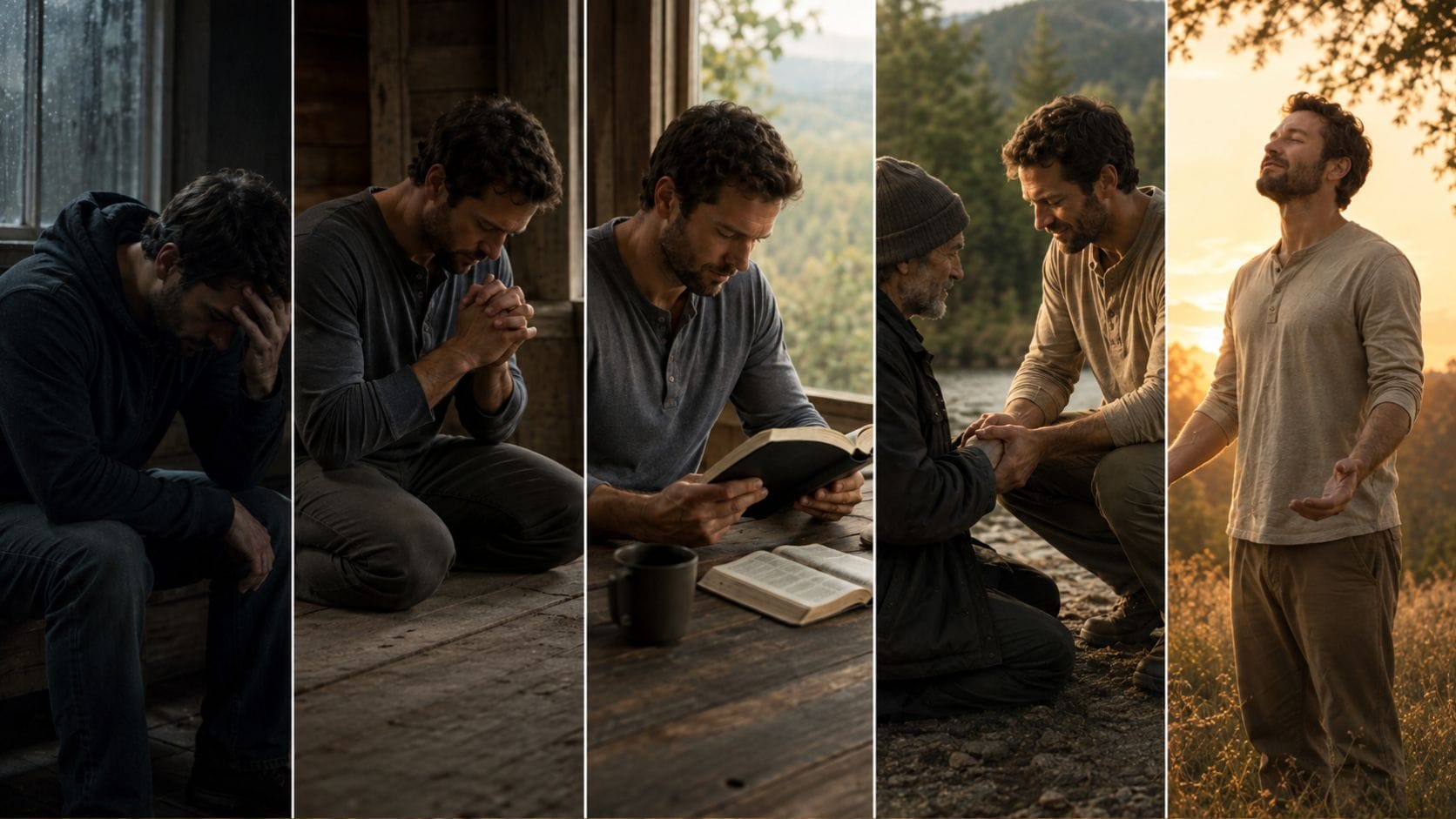
What if you are growing spiritually but have been looking for the wrong signs?
I’ve noticed a common issue in our modern society: impatience.
We have become so used to everything being fast, from fast food to relationships that end almost as quickly as they begin. It seems we have lost touch with a basic idea: real growth takes time.
Paul writes:
“I am sure of this, that he who started a good work in you will carry it on to completion until the day of Christ Jesus.”
—Philippians 1:6, CSB
I’ve seen this while sharing the gospel with people. It takes time to plant a seed and later see the fruit. Spiritual growth often works the same way.
God does not work according to our impatient timetable. We may fail to notice growth because we expect something huge and dramatic.
Sometimes, the signs of spiritual growth are simply having more peace in situations that once troubled you. Other times, you may notice less desire to watch lustful videos online or return to an old sin.
These changes may seem small at first, but little by little, God is making us more like Christ.
In this guide, we’ll look at some practical signs that may show you are growing, even when you do not feel very different.
8 Signs of Spiritual Growth at a Glance
Spiritual growth is not always huge or dramatic. Sometimes, it appears through small changes in how you think, react, repent, and treat other people.
| Sign of Spiritual Growth | What It May Look Like |
|---|---|
| 1. You recognize sin more clearly | You begin seeing how certain habits harm you, others, and your relationship with God. |
| 2. You repent more quickly | You make fewer excuses, defend yourself less, and become more willing to admit when you are wrong. |
| 3. Scripture corrects you | You allow the Bible to challenge your beliefs and behaviour instead of only looking for verses that agree with you. |
| 4. You obey when it is costly or unnoticed | You remain faithful even when obedience is uncomfortable or nobody sees the good you are doing. |
| 5. Your responses under pressure are changing | You become less reactive and gain more patience and self-control before speaking or acting. |
| 6. You are learning to love difficult people | You become more willing to forgive, show mercy, and let go of hatred while still setting healthy boundaries. |
| 7. You become more discerning | You test spiritual claims and experiences without becoming suspicious of everything. |
| 8. You depend more on God’s grace | You become less impressed with your own strength and more aware of how much you need God. |
What Is Spiritual Growth?
In simple terms, spiritual growth is our journey of becoming more like Christ.
This means becoming more loving, hopeful, faithful, and obedient to God. We may also notice more inner peace, even when situations still feel complicated.
For instance, something at work may once have stressed you out of your mind. But nowadays, you notice that you remain calmer. The situation may not have changed, but something inside you has.
The Holy Spirit also helps us see things more clearly. Once, we lived in darkness. But as He works in us, we begin to understand God, ourselves, and the world differently.

Things we once believed were true may no longer seem true. Desires that once controlled us may also begin losing their power.
We begin wanting to sin less and less. This does not mean temptation disappears or that we suddenly become perfect. But our heart begins changing. We may feel more conviction when we sin and a stronger desire to obey God.
With time, we may also begin understanding the Bible more clearly. Passages that once seemed confusing start connecting with other parts of Scripture.
God changes our character, understanding, and desires as we walk with Him in faith and obedience.
It is not just a philosophical ideology, as some people outside Christianity may think. It is a real spiritual transformation in which we slowly become more like Christ.
What Spiritual Growth Is Not?
Not everything is considered growing in spiritual maturity. Even though at times, they may seem such as:
Going to Church
There is nothing wrong with going to church. Quite the opposite.
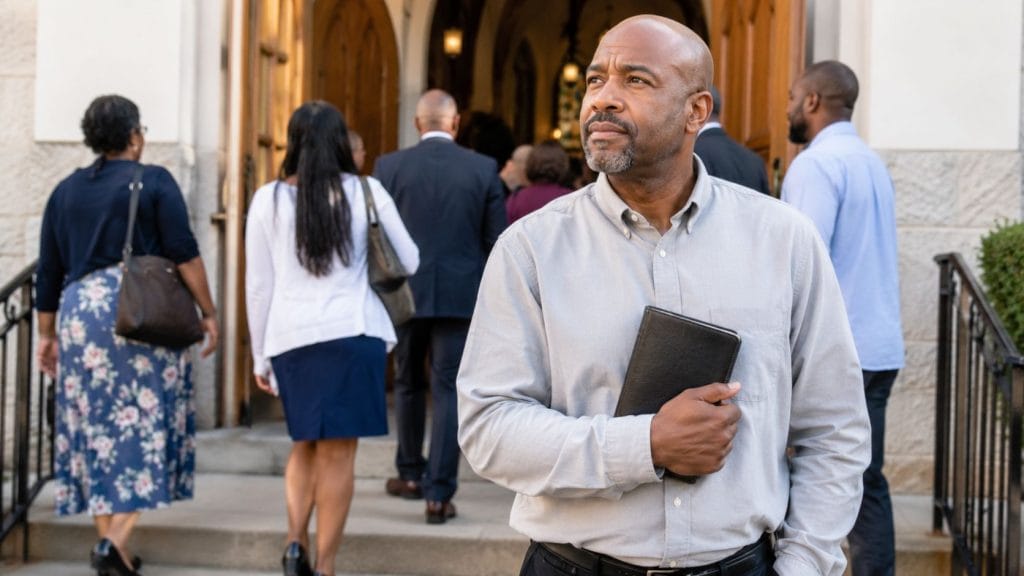
But going to church alone does not prove spiritual growth. Otherwise, everyone who attends church regularly would automatically be a fervent and mature Christian. We know that is not always the case.
Accumulating Theological Knowledge
Reading the Bible, studying theology, or memorizing passages is not automatically the same as spiritual growth.
Some people may even use their knowledge pridefully to impress others. Paul warns that knowledge can puff us up while love builds others up.
We should study the Bible so that we can understand, love, and obey God more.
Constant Spiritual Emotion
God may give us peace, joy, and other powerful experiences. But we should not expect a constant train of emotions or become dependent on them.
Strong emotions by themselves do not prove that something came from God. Our feelings can change quickly, so they need to be tested rather than becoming the foundation of our faith.
Never Struggling With Sin or Doubt
I still face temptation daily, and sometimes I struggle with doubt.
Does that mean I am not growing? No.

Temptation itself is not sin. What matters is that we continue to resist it, seek truth, and return to God when we fail. We still live with a fallen human nature, so we should not expect every struggle to disappear overnight.
Trying to Impress Other Christians
Doing good works only so that other Christians will find us impressive does not show spiritual growth.
A person can put on a convincing performance before others, but God still knows what is happening in the heart. Jesus warned against practicing righteousness merely to be seen and praised by people.
8 Signs You Are Maturing Spiritually
Over the years, I’ve noticed certain changes in myself and others. Sometimes, we expect spiritual growth to happen with a huge bang. But often, the changes start slowly and pile up over months and years. Then, one day, we look back and barely recognize the person we used to be.
1. You Recognize Your Sin More Clearly
One of the first things I learned at church was the difference between life before and after coming to Christ.
Before, I sinned without fully understanding what it was doing to me or that God never wanted that for my life.

Paul writes:
“But thank God that, although you used to be slaves of sin, you obeyed from the heart that pattern of teaching to which you were handed over, and having been set free from sin, you became enslaved to righteousness.”
—Romans 6:17–18, CSB
Honestly, I did not understand this at first. Initially, I even thought God was punishing me.
“I mean, come on! Now I can’t go back to my old habits? Seriously!”
I felt like a child being told to sit and stare at the wall. How boring is that? No cookies for you today.
But over the years, the Holy Spirit gave me greater awareness. Now I can see that I was in bondage before. Sin had far more control over me than I realized because I did not fully understand the harm it was causing.
For example, I can now see that hookup culture is toxic to our society and that I should not participate in it.
I began to understand that having an intimate moment with someone is not only a physical experience. It can also affect us emotionally, psychologically, and spiritually.
So, I would say this is one of the first signs of growth: we begin to recognize sin more clearly, want to avoid it, and repent of our old ways.
We follow God more and more because we begin to see what sin actually does to us and to our relationship with Him.
2. You Repent More Quickly and Defend Yourself Less
I often used to find excuses for my sins. Well, I did not even realize I was sinning.
Looking back, I find it incredible how creative I was. I found all sorts of reasons to justify my bad behavior, often passing the blame to someone else.
For instance, I found reasons why I got mad at someone for no good reason. Or why I dated a woman even though I did not truly like her and was not being honest about it.
We can be very creative. But after I came to Christ, I stopped covering my sins with gold leaf. Instead, I began seeing them for what they were.
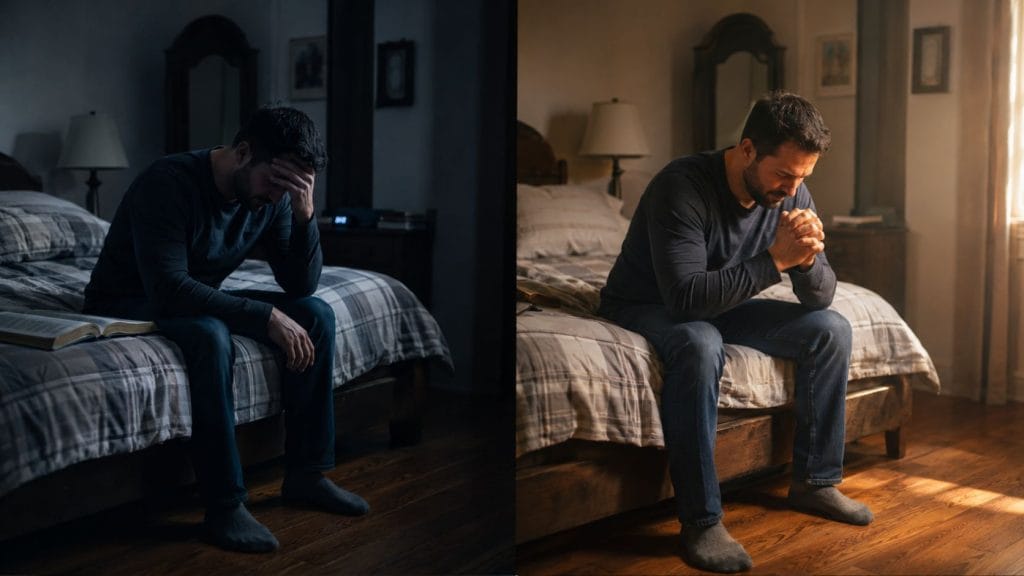
Initially, it can be painful to come to this realization. You see the hurt you caused others, the hurt you caused yourself, and, more than anything, how you offended God. This huge shift happened to me during my first few months as a Christian.
Paul writes:
“For godly grief produces a repentance that leads to salvation without regret, but worldly grief produces death.”
—2 Corinthians 7:10, CSB
But that is where real change begins. God opens our eyes, and we begin to see our mistakes. It is painful, but now we can choose a different way.
That turning away from sin and back toward God is what we call repentance.
When we repent, we begin wanting less of what displeases God and harms us.
Over time, I have noticed a greater awareness of when I need to repent, whether because I did or said something wrong to another person. Instead of immediately finding excuses or shifting the blame, I am more willing to admit, “Yes, I was wrong.”
3. Scripture Corrects You Instead of Only Confirming You
I struggled to read the Bible at first. Honestly, between you and me, I found the Bible boring. But I realized I mostly found it that way because I did not understand it.
A few years into my Christian journey, I made a point of listening to audio Bibles whenever I went for a walk. For some funny reason, I can understand Scripture more easily when I listen than when I read it.
I began by listening to Proverbs. I found it incredible. Many of its sayings are associated with King Solomon, although the book also contains teachings from other writers.

We see that people had many of the same struggles back then that we have nowadays. Seriously, as Ecclesiastes says, “there is nothing new under the sun.”
I kept listening, and now it has become a common practice. At first, I did not notice much. But over time, I saw a quicker shift in my character than ever before.
It is like Scripture changes the way you see the world, especially when you meditate on it. It does not only confirm what you already believe. Sometimes, it tells you that you are wrong.
For example:
“The fear of the Lord is the beginning of wisdom, and the knowledge of the Holy One is understanding.”
—Proverbs 9:10, CSB
Fearing the Lord is not exactly the same as being terrified of Him. It includes having reverence and awe for God and taking Him seriously.
This truly is the beginning of wisdom. For one, we begin wanting to do fewer foolish things, such as constantly giving in to temptation. We start seeing how sin affects us.
You may also become more careful with the words you speak to others. Maybe you no longer want to participate in gossip. You know that God does not approve of it and that it does not bear good fruit.
We also begin to understand that true wisdom comes from God. Fortunately, we can return to Scripture whenever we want and allow it to teach, challenge, and correct us.
4. You Obey When It Is Costly or Unnoticed
Obeying God nowadays is not always easy. Often, it is easier to follow the ways of the world than to oppose them.
As you follow God and understand His truth more clearly, it becomes harder to turn your back on it. It is a little like taking the red pill in The Matrix. Once you see the truth, it becomes difficult to pretend you did not.
Sometimes, obedience may mean speaking up respectfully even when it costs you a friendship or career opportunity. Other times, it means doing something nobody will notice.

For example, you may help someone living on the street with food and water. Maybe nobody saw you, but God did.
Jesus said:
“Don’t assume that I came to bring peace on the earth. I did not come to bring peace, but a sword. For I came to turn a man against his father, a daughter against her mother, a daughter-in-law against her mother-in-law; and a man’s enemies will be the members of his household.”
—Matthew 10:34–36, CSB
Jesus was not telling us to create conflict. He was warning that following Him can sometimes divide people, even those close to us.
Obedience to God means standing firm in what He teaches, even when it is not socially acceptable or personally convenient. But it also means acting with humility and love, not using “truth” as an excuse to become rude or argumentative.
Being faithful may come with consequences, and we may not receive an immediate reward. Sometimes, the reward is simply knowing that God saw what we did and that we remained faithful to Him.
5. Your Responses Under Pressure Are Changing
Before coming to Christ, I tended to be more reactive to situations. Something would happen, and my automatic script would activate. Often, I did not stop to think about what I was doing or saying.
One sign of growth is becoming less reactive. It is like your inner peace gives you more time to think before you act.

James writes:
“My dear brothers and sisters, understand this: Everyone should be quick to listen, slow to speak, and slow to anger, for human anger does not accomplish God’s righteousness.”
—James 1:19–20, CSB
Just last weekend, a friend said something that bothered me. What bothered me most was wondering whether there had been gossip about me behind my back. Of course, I cannot conclude that yet.
But I know that a few years ago, I would have reacted more explosively.
Nowadays, it is like there is this steadiness. This calm before I open my mouth and say something. It kind of feels like bullet time, where everything slows down before you react.
God starts changing us. I have become more patient, although usually not through the easiest trials. We build more endurance to face difficult situations.
Those situations still come, sometimes as hard as before or even harder. But we begin responding more calmly and wisely.
We have more self-control to think before we act. That growing patience and self-control are part of the Holy Spirit’s work in our lives.
6. You Are Learning to Love Difficult People
Let’s admit it: not everyone is easy to deal with.
With some people, it is like we do our best not to see them. If we spot them on the street, we pretend we did not. Or we use the other trick: cross to the other side and pray they do not see us.

We have all been there and done that.
Paul writes:
“Bearing with one another and forgiving one another if anyone has a grievance against another. Just as the Lord has forgiven you, so you are also to forgive.”
—Colossians 3:13, CSB
God gives us a different perspective. Maybe not during your first months as a Christian, but over time, you begin to understand:
“God has forgiven me for so much. Gosh, He is amazingly patient with me.”
Nobody is a special case. We have all done wrong things. We have all turned our backs on God. But He still shows us mercy.
That changes our perspective toward others. In a way, it humbles us.
We begin thinking, “If God forgives me for this, that, and that… then who am I to refuse to forgive someone else?”
Now, that does not mean tolerating disrespect or continuing to hang around people who are toxic. Sometimes, we may still need to set boundaries.
But it means we forgive them because we remember that they are broken too, just like us. Sometimes, they may not know any better. Other times, they probably do. Either way, we do not need to carry hatred in our hearts.
7. You Become More Discerning Without Becoming More Suspicious
Gosh, I still remember some of the first people I watched.
Looking back, they were usually people who presented Christianity mostly through experiences and emotions. I think many of us initially get caught up in this because we want to see something before we believe.
So, we may end up following the wrong people.
Over the years, I have seen God work in ways I consider miraculous. Not only in my life but also in the lives of people around me. I admit that those experiences brought me closer to Him.

I believe God is still a God of miracles and wonders. I mean, the Bible contains many of them.
However, I do not base my faith only on those experiences. I see them as part of my walk with Jesus, not the foundation of it.
Jesus warned:
“For false messiahs and false prophets will arise and perform great signs and wonders to lead astray, if possible, even the elect.”
—Matthew 24:24, CSB
An impressive experience does not automatically mean it came from God. Spiritual deception is real, and our own emotions can also mislead us. So, over time, we should become more discerning.
Scripture tells us:
“Dear friends, do not believe every spirit, but test the spirits to see if they are from God.”
—1 John 4:1, CSB
We begin asking whether something agrees with Scripture, points us toward Christ, and produces good fruit in our lives.
Still, we should do our best not to become suspicious of everything.
I have met people who seem to have completely closed themselves off from spiritual experiences. Perhaps because something went badly in the past. I understand why someone may become cautious. But we can become so skeptical that we dismiss everything before properly examining it.
God does not force faith upon us. He calls us to respond freely. So, we should remain open while still testing what we hear and experience.
My walk has involved a constant struggle to find that balance: being discerning without becoming suspicious of everything.
It is definitely not easy. We tend to tilt toward one extreme or the other, and neither is good.
8. You Depend More on God’s Grace
Our culture teaches us to rely on ourselves for everything. But when it comes to God, the tables turn. We are taught to rely on Him.
That is not an easy task. At first, I struggled with this. It is like your whole being rebels, and you say to God:
“No, You do not tell me what to do!”
But then God shows us more and more grace. Little by little, we begin surrendering to Him. We start seeing that God desires our good.
We see the heaviness of sin, what Jesus did for us, and that our way is usually not the best.
Paul writes:
“But he said to me, ‘My grace is sufficient for you, for my power is perfected in weakness.’”
—2 Corinthians 12:9, CSB

We look back, and it feels like we were walking through a dark room all along. Stumbling here, stumbling there, and without God’s direction, we did not know whether to turn left or right.
We become more dependent on God for guidance. Prayer also becomes more a part of our daily lives rather than only something we force ourselves to do.
In fact, nowadays, I feel that something is missing if I do not set aside time each day to be with God.
As we spiritually mature, we become more aware of how much we need God’s grace. We do not become more impressed with ourselves. We become more dependent on Him.
How Should You Measure Spiritual Growth?
The first way is simply to look back.
I do not mean comparing your mood across several days. Compare your character a few months ago with who you are today. Look at your values, beliefs, desires, and the way you respond to situations.

Ask yourself:
- Do I react with the same anger or impatience?
- Do I still hold on to beliefs that go against Scripture?
- Am I recognizing and resisting temptation more seriously?
- Do I repent more quickly when I am wrong?
- Am I becoming more loving, peaceful, patient, and faithful?
God slowly changes our hearts and minds. Scripture describes us as being transformed into the image of Christ through the work of the Spirit.
For instance, when I look back six months, I can see that many things have changed in me. I tend to forget these things, but the changes become noticeable when I stop and think about them. Sometimes, even people around us notice them.
A few months ago, I met a pastor for coffee. He knew me when I first began attending his church three years earlier. Back then, he was one of the first people I spoke with over coffee.
I am not completely sure how I appeared in those days. But I certainly carried more heaviness and restlessness.
During our recent meeting, I noticed that I felt an intense inner peace. The pastor did not say anything about it to me, but he later told one of my relatives:
“You can sense the peace in Jordan.”
Sometimes, people around you begin noticing the change before you do.
So, examine the fruit in your life: love, peace, patience, faithfulness, and self-control. These are among the qualities Scripture connects with the work of the Holy Spirit.
Do you see more of these qualities now than you did a few months or years ago?
At the same time, do not become paranoid by constantly examining yourself. That will only cause more stress. Look at the larger pattern and trust that genuine growth often happens slowly.
Last Thoughts
When you look back over the past few months or years, what changes do you notice in yourself? Are you becoming more patient, more willing to repent, or less controlled by old habits?
Maybe you still feel stuck in one particular area. What has been the hardest part of your spiritual growth?
Leave your answer in the comments below. I’d genuinely like to hear what God has been changing in you and where you still need help.